
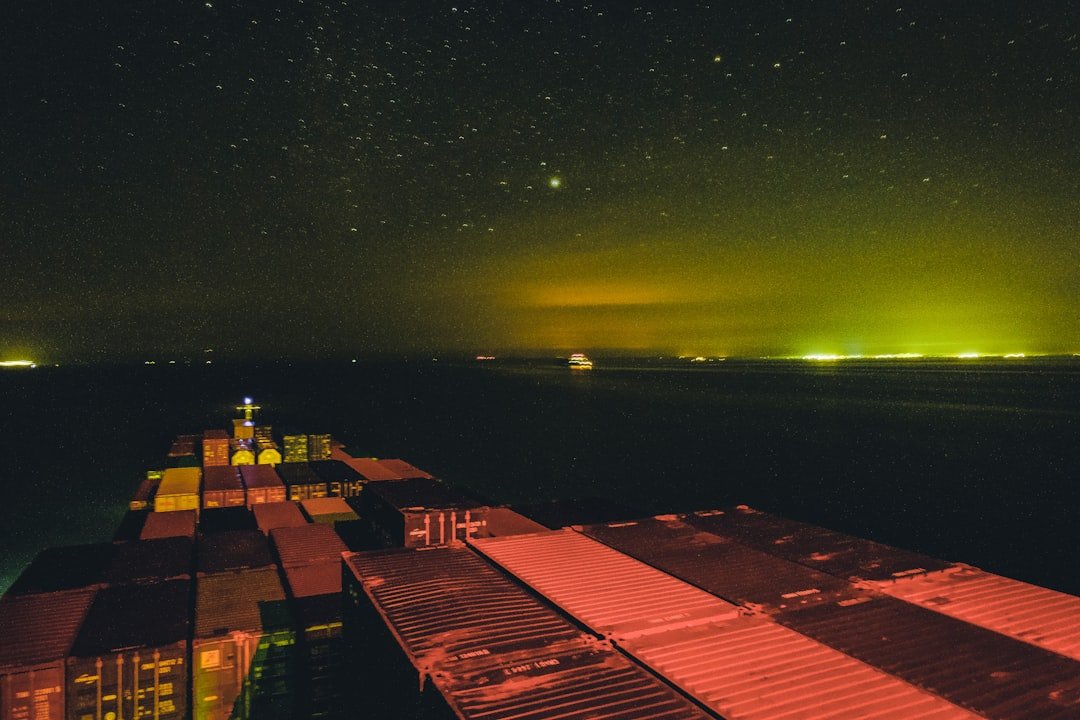
The significance of safe seas cannot be overstated in today’s interconnected world. Maritime transportation serves as the backbone of global trade, with approximately 90% of the world’s goods being transported by sea. This vast network of shipping routes facilitates the movement of essential commodities, from food and raw materials to manufactured products.
However, the sheer volume of maritime traffic also brings with it a host of risks, including environmental hazards, accidents, and the potential for catastrophic incidents involving hazardous materials. Therefore, ensuring safety at sea is not just a regulatory requirement; it is a moral imperative that affects economies, ecosystems, and human lives. Moreover, the importance of safe seas extends beyond mere compliance with regulations.
It encompasses the protection of marine environments and the preservation of biodiversity. Incidents such as oil spills or the release of toxic substances can have devastating effects on marine life and coastal communities. As such, fostering a culture of safety within the maritime industry is essential for sustainable development.
This culture is built on a foundation of knowledge, awareness, and adherence to established protocols, which ultimately contribute to the overall health of the oceans and the safety of those who navigate them. Learn more about IMDG courses at IMDG courses.
Key Takeaways
- Safe seas are crucial for the global economy, environment, and security.
- The IMDG Code plays a vital role in ensuring the safe transportation of dangerous goods by sea.
- Specialized training in IMDG Code compliance is essential for professionals involved in maritime transportation.
- IMDG Code training benefits professionals by enhancing their knowledge and skills in handling dangerous goods.
- Key components of IMDG Code training include understanding classification, packaging, marking, labeling, and documentation requirements.
The Role of the IMDG Code in Ensuring Safe Maritime Transportation
The International Maritime Dangerous Goods (IMDG) Code plays a pivotal role in ensuring safe maritime transportation by providing a comprehensive framework for the classification, packaging, and handling of dangerous goods. This code was developed by the International Maritime Organization (IMO) to address the unique challenges posed by hazardous materials at sea. By establishing standardized procedures and guidelines, the IMDG Code helps to mitigate risks associated with the transportation of dangerous goods, thereby enhancing safety for crew members, vessels, and the marine environment.
In addition to its regulatory function, the IMDG Code serves as a vital communication tool among stakeholders in the maritime industry. It provides clear definitions and classifications for various types of dangerous goods, enabling shippers, carriers, and port authorities to understand their responsibilities and obligations. This clarity is essential for preventing misunderstandings that could lead to accidents or incidents during transportation.
Furthermore, adherence to the IMDG Code fosters international cooperation and harmonization in maritime operations, which is crucial in an industry characterized by diverse regulations and practices across different countries.
The Need for Specialized Training in IMDG Code Compliance
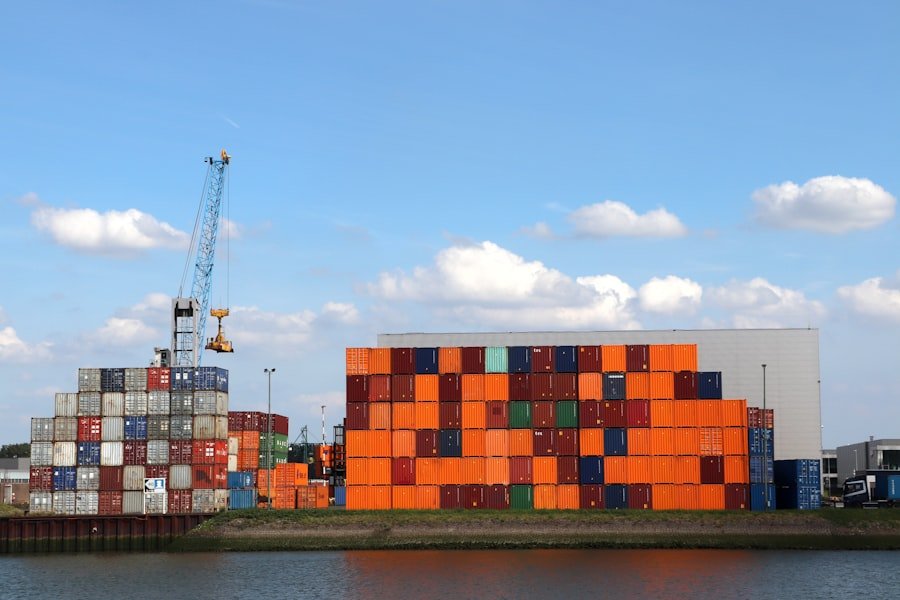
Given the complexities involved in handling dangerous goods, specialized training in IMDG Code compliance is essential for professionals in the maritime industry. The transportation of hazardous materials requires a deep understanding of various factors, including classification criteria, packaging requirements, labeling standards, and emergency response procedures. Without proper training, individuals may inadvertently expose themselves and others to significant risks, leading to accidents that could have been easily avoided.
Moreover, specialized training ensures that professionals are equipped with the latest knowledge and skills necessary to navigate the evolving landscape of maritime regulations. As new technologies emerge and environmental concerns grow, the IMDG Code is regularly updated to reflect these changes. Therefore, ongoing education is crucial for maintaining compliance and ensuring that safety protocols are effectively implemented.
By investing in specialized training programs, organizations can cultivate a workforce that is not only knowledgeable but also proactive in identifying potential hazards and implementing best practices.
Benefits of IMDG Code Training for Professionals
IMDG Code training offers numerous benefits for professionals working in the maritime sector. First and foremost, it enhances their understanding of safety protocols related to dangerous goods transportation. This knowledge empowers individuals to make informed decisions when handling hazardous materials, ultimately reducing the likelihood of accidents and incidents.
Furthermore, trained professionals are better equipped to respond effectively in emergency situations, minimizing potential harm to themselves and others. In addition to improving safety outcomes, IMDG Code training can also enhance career prospects for maritime professionals. As organizations increasingly prioritize compliance with international regulations, individuals with specialized knowledge in dangerous goods handling are in high demand.
Completing IMDG Code training can set candidates apart in a competitive job market, opening doors to new opportunities and career advancement. Moreover, ongoing education in this area demonstrates a commitment to professional development and safety excellence, which can further bolster an individual’s reputation within the industry.
Key Components of IMDG Code Training
IMDG Code training encompasses several key components designed to provide participants with a comprehensive understanding of dangerous goods transportation. One critical aspect is the classification of hazardous materials. Participants learn how to identify different classes of dangerous goods based on their properties and potential risks.
This foundational knowledge is essential for ensuring that appropriate handling procedures are followed throughout the transportation process. Another important component of IMDG Code training is packaging requirements. Proper packaging is crucial for preventing leaks or spills during transit, which could have dire consequences for both human safety and the environment.
Training programs typically cover various packaging standards and guidelines outlined in the IMDG Code, equipping participants with the skills needed to select suitable containers and ensure compliance with labeling requirements. Additionally, training often includes emergency response procedures, enabling professionals to act swiftly and effectively in case of an incident involving dangerous goods.
Ensuring Compliance with International Regulations
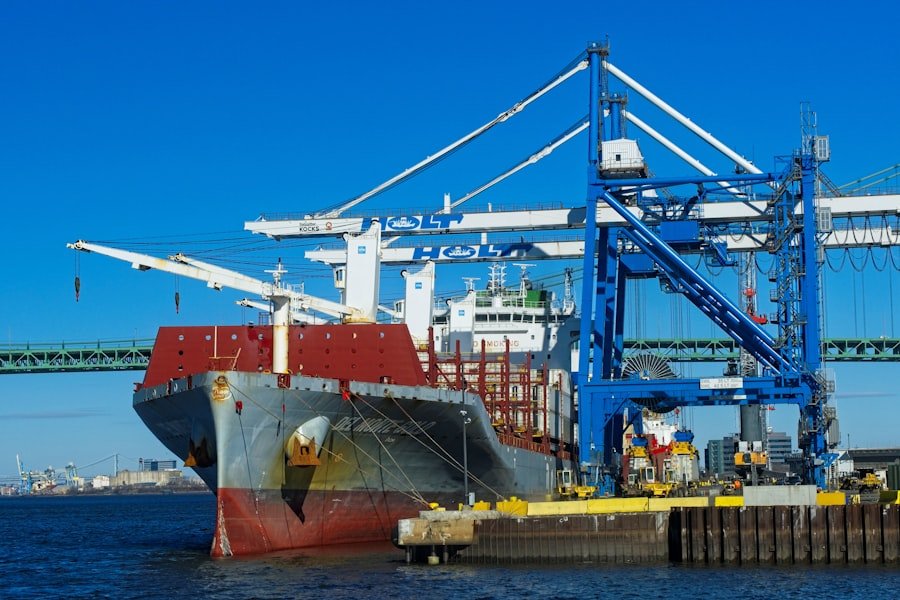
Compliance with international regulations is a cornerstone of safe maritime operations. The IMDG Code serves as a key regulatory framework that governs the transportation of dangerous goods by sea. However, compliance is not merely about adhering to rules; it requires a proactive approach that involves continuous monitoring and assessment of practices within organizations.
This commitment to compliance helps to foster a culture of safety that permeates all levels of an organization. To ensure compliance with international regulations like the IMDG Code, organizations must implement robust training programs that keep employees informed about current standards and best practices. Regular audits and assessments can also help identify areas for improvement and ensure that safety protocols are being followed consistently.
By prioritizing compliance as an integral part of their operations, organizations can mitigate risks associated with dangerous goods transportation while also enhancing their reputation within the industry.
The Impact of Proper Training on Maritime Safety
Proper training has a profound impact on maritime safety by equipping professionals with the knowledge and skills necessary to handle dangerous goods responsibly. When individuals are well-trained in IMDG Code compliance, they are more likely to recognize potential hazards and take appropriate measures to mitigate risks. This proactive approach not only enhances individual safety but also contributes to the overall safety culture within an organization.
Furthermore, proper training fosters a sense of accountability among maritime professionals. When individuals understand their roles and responsibilities regarding dangerous goods transportation, they are more likely to take ownership of their actions and prioritize safety in their daily operations. This collective commitment to safety can lead to significant reductions in accidents and incidents at sea, ultimately protecting lives and preserving marine environments.
The Role of Professionals in Maintaining Safe Seas
Professionals in the maritime industry play a crucial role in maintaining safe seas through their adherence to established protocols and commitment to continuous improvement. From ship operators and crew members to logistics coordinators and port authorities, each individual contributes to a larger system that prioritizes safety at every stage of the transportation process. Their collective efforts ensure that dangerous goods are handled responsibly and that potential risks are effectively managed.
Moreover, professionals serve as ambassadors for safety within their organizations and communities. By promoting best practices and sharing knowledge about IMDG Code compliance, they can influence others to adopt similar standards of excellence. This ripple effect can lead to widespread improvements in maritime safety across the industry, ultimately benefiting not only those directly involved but also society as a whole.
The Importance of Continuous Education and Training in the Maritime Industry
In an ever-evolving maritime landscape characterized by technological advancements and changing regulations, continuous education and training are paramount for professionals in the industry. The IMDG Code is regularly updated to reflect new developments in hazardous materials management; therefore, staying informed about these changes is essential for maintaining compliance and ensuring safety at sea. Continuous education also fosters a culture of lifelong learning among maritime professionals.
By encouraging individuals to pursue ongoing training opportunities, organizations can cultivate a workforce that is adaptable and responsive to emerging challenges. This commitment to education not only enhances individual competencies but also strengthens organizational resilience in an increasingly complex maritime environment.
How IMDG Code Training Enhances Professional Development
IMDG Code training significantly enhances professional development by equipping individuals with specialized knowledge that is highly valued within the maritime industry. As organizations seek to comply with international regulations governing dangerous goods transportation, professionals who possess expertise in this area become indispensable assets. This specialized knowledge can lead to increased job security and opportunities for advancement within an organization.
Additionally, IMDG Code training fosters critical thinking skills that are essential for effective problem-solving in high-pressure situations. Professionals who have undergone this training are better prepared to assess risks, make informed decisions, and implement appropriate measures when faced with challenges related to hazardous materials handling. This ability not only enhances individual performance but also contributes positively to team dynamics and overall organizational effectiveness.
The Future of Safe Seas: The Role of Trained Professionals in Ensuring Maritime Safety
Looking ahead, trained professionals will continue to play a vital role in ensuring maritime safety as global trade expands and environmental concerns intensify. The increasing complexity of shipping operations necessitates a workforce that is well-versed in international regulations like the IMDG Code and capable of navigating emerging challenges related to dangerous goods transportation. As technology continues to evolve, so too will the demands placed on maritime professionals.
Embracing ongoing education and training will be essential for adapting to these changes while maintaining high standards of safety at sea. Ultimately, it is through the dedication and expertise of trained professionals that safe seas can be achieved—protecting not only those who navigate them but also the precious marine ecosystems they encompass.
For professionals seeking to enhance their understanding of the International Maritime Dangerous Goods (IMDG) Code, the article “Safe Seas: IMDG Code Training for Professionals” is an invaluable resource. It provides comprehensive insights into the importance of proper training for handling dangerous goods at sea. A related article that complements this topic can be found on the IMDG Course website, which offers detailed information about the available training programs. For more information on how to enroll in these courses, you can visit their checkout page to explore the options and secure your spot in the next training session.
