
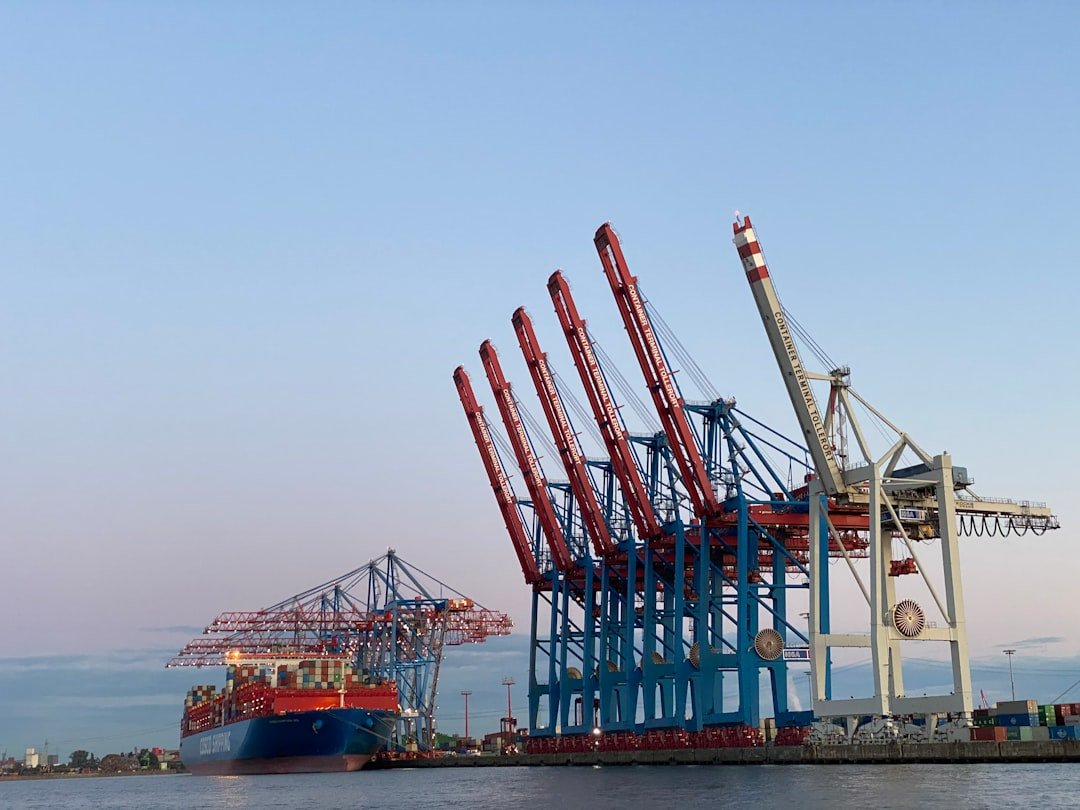
The International Maritime Dangerous Goods (IMDG) Code serves as a critical framework for the safe transportation of hazardous materials by sea. Established by the International Maritime Organization (IMO), this code outlines the necessary regulations and guidelines that must be adhered to when shipping dangerous goods. It encompasses a wide range of substances, including flammable liquids, toxic agents, and corrosive materials, all of which pose significant risks to human health and the environment if not handled properly.
The IMDG Code is not merely a set of rules; it is a comprehensive guide that integrates safety, environmental protection, and operational efficiency in maritime transport. Understanding the IMDG Code requires familiarity with its structure and terminology. The code is divided into various sections, each addressing specific aspects of dangerous goods transportation.
These sections include definitions, classification of goods, packaging requirements, labeling, and documentation. By providing a standardized approach to handling hazardous materials, the IMDG Code facilitates international trade while ensuring that safety measures are consistently applied across different jurisdictions. This uniformity is essential for minimizing risks associated with the transport of dangerous goods and for fostering a culture of safety within the maritime industry. For comprehensive training on maritime dangerous goods, consider enrolling in IMDG courses.
Key Takeaways
- The IMDG Code provides comprehensive regulations for the safe transportation of dangerous goods by sea.
- Compliance with IMDG requirements, including proper packaging, marking, and labeling, is critical to prevent accidents.
- Training, certification, and thorough documentation are essential components to ensure adherence to IMDG standards.
- Effective handling, stowage, and emergency response planning minimize risks associated with dangerous goods shipments.
- Staying updated on regulatory changes and conducting regular risk assessments support continuous improvement in IMDG compliance.
The Importance of IMDG Compliance: Ensuring Safe Transportation of Dangerous Goods
Compliance with the IMDG Code is paramount for ensuring the safe transportation of dangerous goods. Non-compliance can lead to catastrophic consequences, including accidents at sea, environmental disasters, and severe legal repercussions for shipping companies. The importance of adhering to these regulations cannot be overstated; they are designed to protect not only the crew and cargo but also the marine environment and coastal communities.
By following the IMDG Code, companies demonstrate their commitment to safety and responsibility in their operations. Moreover, IMDG compliance enhances a company’s reputation and credibility in the global market. Clients and partners are increasingly prioritizing safety and sustainability in their supply chains.
Companies that adhere to the IMDG Code are more likely to gain trust from stakeholders, which can lead to increased business opportunities. Additionally, regulatory bodies are more inclined to work with compliant organizations, reducing the risk of fines and sanctions. In essence, compliance with the IMDG Code is not just a legal obligation; it is a strategic advantage that can drive business success.
Key Elements of IMDG Compliance: Packaging, Marking, and Labeling Requirements for Dangerous Goods
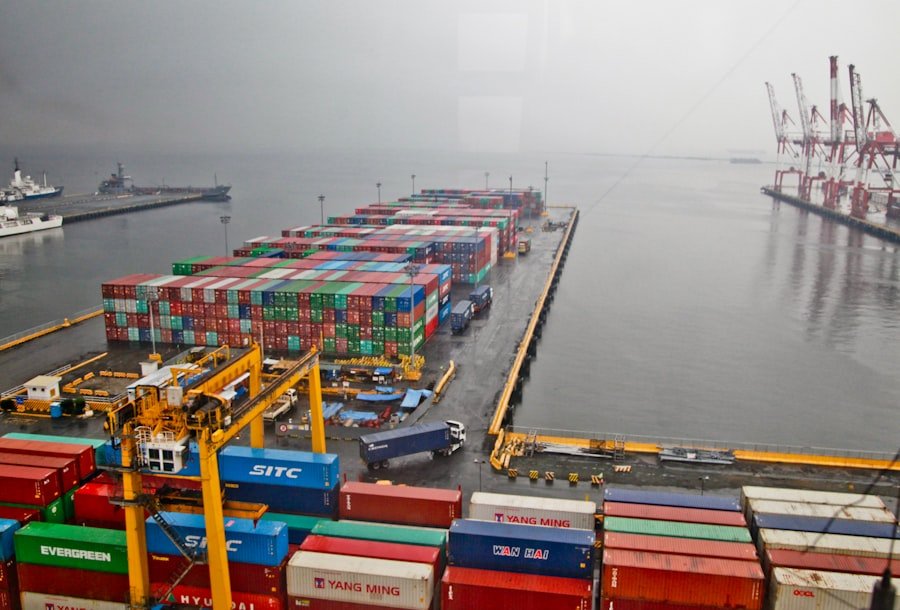
One of the fundamental aspects of IMDG compliance lies in the proper packaging, marking, and labeling of dangerous goods. The IMDG Code specifies stringent requirements for how hazardous materials should be packaged to prevent leaks, spills, or other incidents during transit. Packaging must be robust enough to withstand the rigors of maritime transport while ensuring that the contents remain secure.
This includes using appropriate materials that can resist corrosion or impact damage. In addition to packaging, marking and labeling are critical components of IMDG compliance. Each package containing dangerous goods must be clearly marked with specific symbols and information that indicate the nature of the hazard.
This includes UN numbers, proper shipping names, and hazard labels that convey essential information to handlers and emergency responders. Proper labeling not only aids in compliance but also enhances safety by ensuring that everyone involved in the transport process is aware of the potential risks associated with the cargo.
Training and Certification: Essential Steps for Ensuring IMDG Compliance
Training and certification are vital components in achieving and maintaining IMDG compliance. All personnel involved in the handling, packaging, and transportation of dangerous goods must receive adequate training to understand the complexities of the IMDG Code. This training should cover various topics, including classification of dangerous goods, proper handling techniques, emergency response procedures, and documentation requirements.
By equipping employees with this knowledge, companies can significantly reduce the likelihood of accidents and ensure that everyone is prepared to respond effectively in case of an emergency. Certification programs play a crucial role in validating an individual’s competence in handling dangerous goods. Many organizations offer specialized courses that culminate in certification upon successful completion.
These certifications not only enhance an employee’s skill set but also serve as a testament to a company’s commitment to safety and compliance. Regular refresher courses are also essential to keep personnel updated on any changes in regulations or best practices within the industry.
Documentation and Record-keeping: Meeting the Requirements for IMDG Code Compliance
Documentation is a cornerstone of IMDG compliance, as it provides a clear record of all activities related to the transportation of dangerous goods. The IMDG Code mandates specific documentation requirements that must be met before shipping hazardous materials. This includes shipping papers that detail the nature of the cargo, its classification, packaging details, and emergency contact information.
Accurate documentation ensures that all parties involved in the transport process are informed about the contents and associated risks. In addition to shipping papers, record-keeping is essential for demonstrating compliance with the IMDG Code. Companies must maintain comprehensive records of all shipments involving dangerous goods, including details about training sessions conducted for employees, inspections performed on packaging materials, and any incidents or accidents that may have occurred during transport.
These records not only serve as proof of compliance but also provide valuable insights for continuous improvement efforts within an organization.
Handling and Stowage of Dangerous Goods: Best Practices for IMDG Compliance
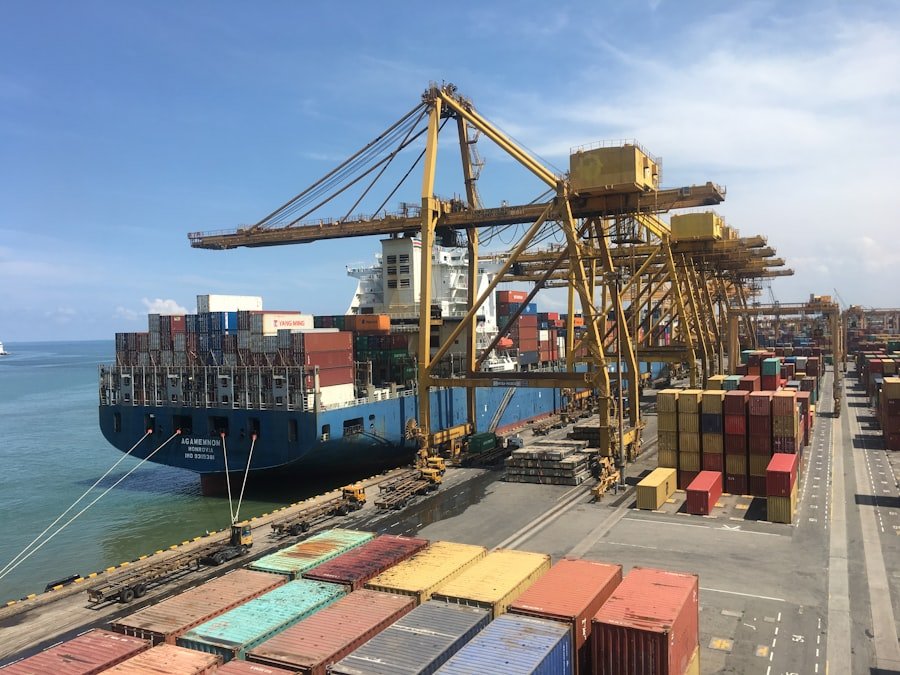
The handling and stowage of dangerous goods require meticulous attention to detail to ensure compliance with the IMDG Code. Best practices dictate that hazardous materials should be segregated based on their compatibility to prevent reactions that could lead to accidents or spills. For instance, flammable substances should be stored away from oxidizers or corrosive materials.
Proper stowage also involves securing packages to prevent movement during transit, which could compromise their integrity. Furthermore, personnel involved in handling dangerous goods should be equipped with appropriate personal protective equipment (PPE) to minimize exposure risks. This includes gloves, goggles, and respiratory protection as necessary based on the nature of the cargo being handled.
Regular audits and inspections should be conducted to ensure that handling practices align with IMDG requirements and that any potential hazards are promptly addressed.
Emergency Response Planning: Preparing for Accidents and Incidents with Dangerous Goods
Despite rigorous safety measures, accidents involving dangerous goods can still occur. Therefore, having a robust emergency response plan is essential for any organization involved in transporting hazardous materials. The IMDG Code emphasizes the need for companies to develop comprehensive emergency response procedures tailored to their specific operations.
This includes identifying potential risks associated with their cargo and outlining clear steps to take in case of an incident. Training employees on emergency response protocols is equally important. Regular drills should be conducted to ensure that personnel are familiar with evacuation procedures, containment measures, and communication protocols during an emergency.
Additionally, companies should establish partnerships with local emergency services to facilitate coordinated responses in case of significant incidents involving dangerous goods.
Regulatory Updates and Changes: Staying Informed to Maintain IMDG Compliance
The landscape of regulations governing dangerous goods transportation is continually evolving. Staying informed about updates and changes to the IMDG Code is crucial for maintaining compliance. Organizations must actively monitor regulatory developments at both national and international levels to ensure they are aware of any new requirements or amendments that may impact their operations.
Participating in industry forums, subscribing to relevant publications, and engaging with regulatory bodies can help companies stay abreast of changes in regulations. Additionally, organizations should consider appointing a compliance officer responsible for overseeing adherence to the IMDG Code and ensuring that all staff members are informed about any updates or training needs arising from regulatory changes.
International Shipping Considerations: Navigating Different Countries’ Regulations for Dangerous Goods
When engaging in international shipping of dangerous goods, companies must navigate a complex web of regulations that vary from country to country. While the IMDG Code provides a standardized framework for maritime transport, individual nations may have additional requirements or restrictions regarding hazardous materials. Understanding these nuances is essential for ensuring compliance across different jurisdictions.
To effectively manage international shipping considerations, organizations should conduct thorough research on the regulations governing dangerous goods in each destination country. This may involve consulting with local authorities or engaging logistics partners who possess expertise in navigating these regulations. By proactively addressing international compliance issues, companies can mitigate risks associated with cross-border transportation of hazardous materials.
Risk Assessment and Management: Identifying and Mitigating Hazards in IMDG Compliance
Risk assessment is a fundamental aspect of ensuring IMDG compliance. Organizations must systematically identify potential hazards associated with their operations involving dangerous goods. This involves evaluating factors such as the nature of the cargo being transported, environmental conditions during transit, and potential human factors that could contribute to accidents.
Once hazards have been identified, companies should implement risk management strategies aimed at mitigating these risks effectively. This may include investing in advanced packaging solutions, enhancing employee training programs, or adopting new technologies that improve safety during transport. Regular reviews of risk assessments are also necessary to adapt to changing circumstances or emerging threats within the industry.
Ensuring Continuous Improvement: Strategies for Maintaining and Enhancing IMDG Compliance
Achieving compliance with the IMDG Code is not a one-time effort; it requires ongoing commitment to continuous improvement. Organizations should establish a culture of safety that encourages employees at all levels to contribute ideas for enhancing compliance practices. Regular audits and assessments can help identify areas for improvement while fostering accountability within teams.
Additionally, leveraging technology can play a significant role in enhancing compliance efforts. Implementing digital solutions for tracking shipments, managing documentation, and conducting training can streamline processes while reducing human error. By embracing innovation and fostering a proactive approach to compliance, organizations can ensure they remain at the forefront of best practices in dangerous goods transportation.
In conclusion, understanding and adhering to the IMDG Code is essential for ensuring safe transportation practices involving dangerous goods. Through comprehensive training programs, meticulous documentation practices, effective risk management strategies, and a commitment to continuous improvement, organizations can navigate the complexities of hazardous materials transport while safeguarding human health and the environment.
For those looking to deepen their understanding of IMDG compliance and the intricacies of navigating dangerous goods regulations, a valuable resource can be found in the article available at IMDG Course. This site offers comprehensive insights and training materials that can help professionals ensure they are fully compliant with the latest regulations in the transport of dangerous goods.
