IMDG Insights: Effective Dangerous Goods Handling

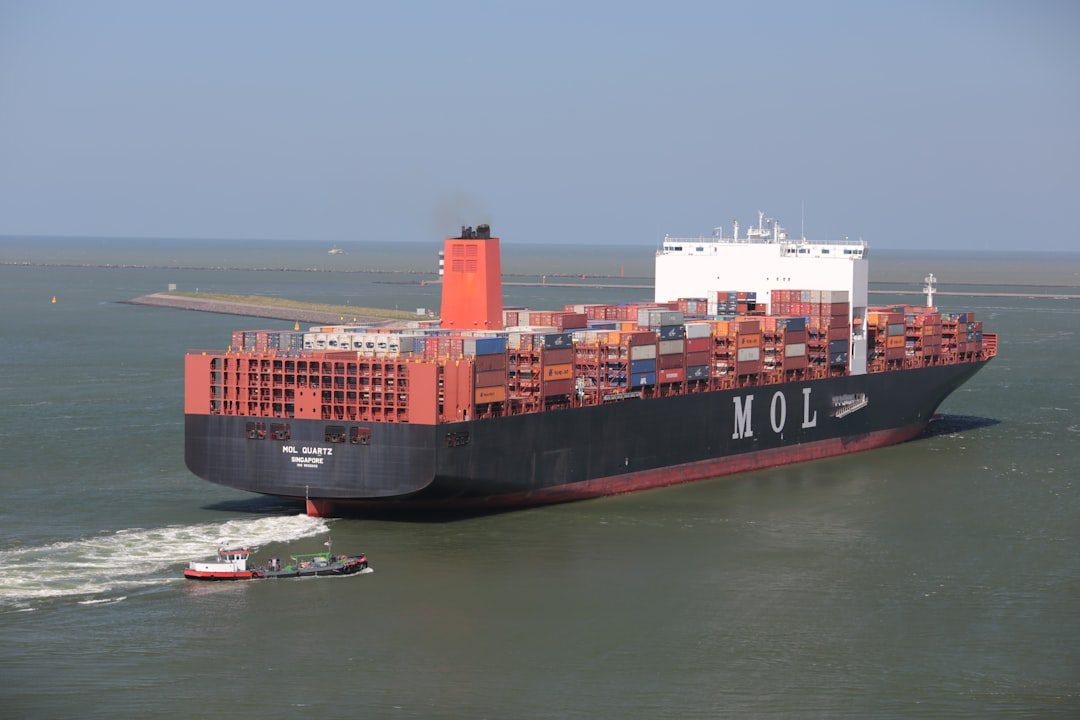
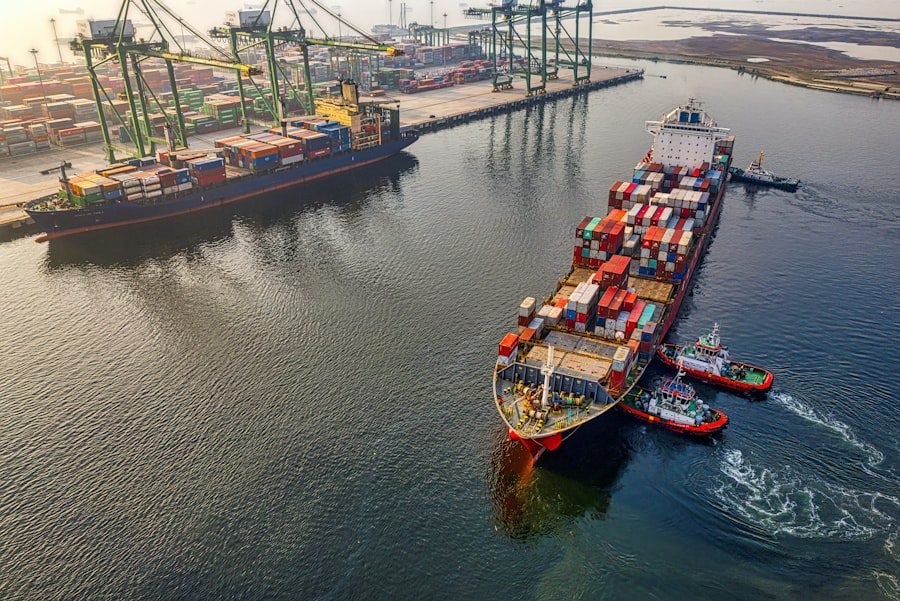
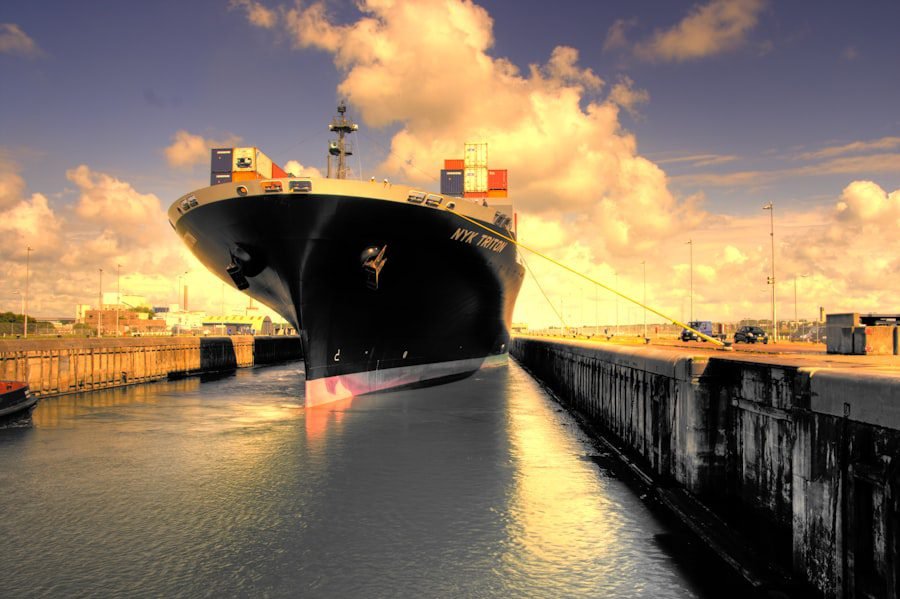
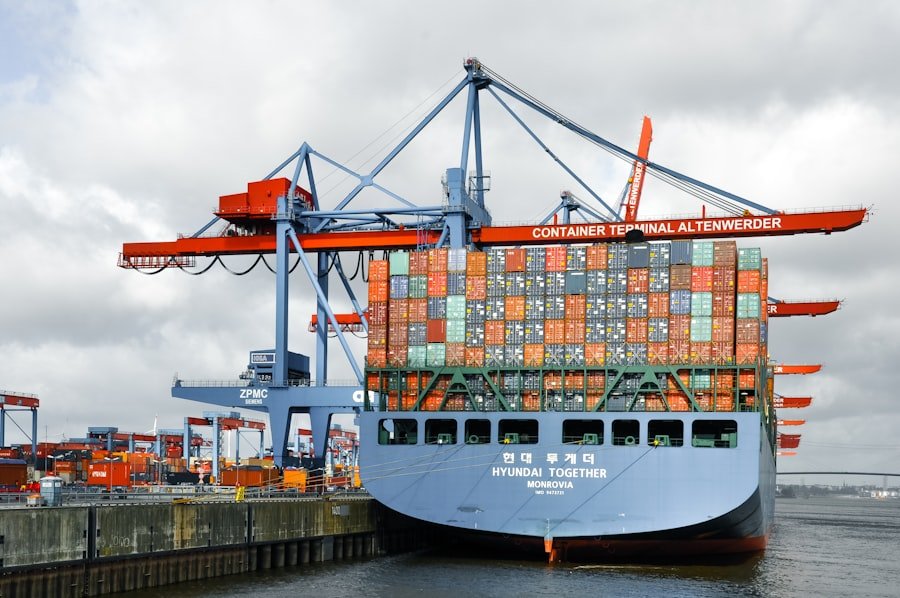
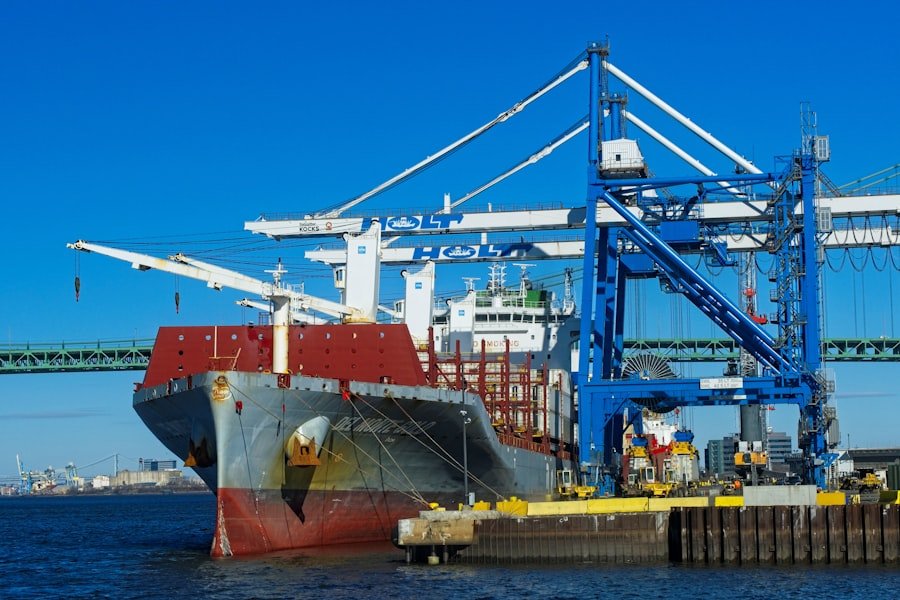
Photo containership

The International Maritime Dangerous Goods (IMDG) Code serves as a critical framework for the safe transportation of hazardous materials by sea. Established by the International Maritime Organization (IMO), the IMDG Code outlines the necessary guidelines and regulations that govern the classification, packaging, marking, and handling of dangerous goods. This comprehensive set of rules is designed to protect not only the crew and passengers aboard vessels but also the marine environment and coastal communities from the potential hazards posed by these materials. The IMDG Code is updated regularly to reflect advancements in safety practices and emerging risks, ensuring that it remains relevant in an ever-evolving global shipping landscape.

Understanding the IMDG regulations is essential for all stakeholders involved in maritime transport, including shippers, freight forwarders, and port authorities. Compliance with these regulations is not merely a legal obligation; it is a moral imperative that underscores the commitment to safety and environmental stewardship. By adhering to the IMDG Code, organizations can mitigate risks associated with the transportation of dangerous goods, thereby fostering a culture of safety that extends beyond individual companies to the entire maritime industry.

For those interested in enhancing their knowledge of dangerous goods handling, a related article can be found at IMDG Insights: Effective Dangerous Goods Handling. This resource provides valuable information on best practices, regulatory compliance, and safety measures essential for the safe transportation of hazardous materials.

Key Takeaways

  • Understanding IMDG regulations is crucial for the safe transportation of dangerous goods
  • Proper identification and classification of dangerous goods is essential for compliance with regulations
  • Packaging and marking requirements must be strictly followed to ensure safe transportation
  • Proper handling and stowage of dangerous goods is necessary to prevent accidents and spills
  • Training and certification are important for personnel involved in handling dangerous goods

Identifying and Classifying Dangerous Goods

The identification and classification of dangerous goods are foundational steps in ensuring their safe transport. Dangerous goods are categorized into nine classes based on their inherent properties and the risks they pose. These classes range from explosives and gases to flammable liquids and toxic substances. Each class has specific criteria that must be met for proper classification, which is crucial for determining the appropriate handling and packaging requirements. For instance, Class 1 encompasses explosives, which are further divided into divisions based on their sensitivity and type, while Class 3 includes flammable liquids that can ignite easily under certain conditions.

Accurate identification and classification are not only vital for compliance with the IMDG Code but also for effective risk management. Misclassification can lead to severe consequences, including accidents during transport, environmental contamination, and legal repercussions. Therefore, organizations must invest in training personnel to recognize and classify dangerous goods accurately. This process often involves consulting safety data sheets (SDS) and other relevant documentation to ensure that all materials are correctly identified before they are loaded onto vessels.

Packaging and Marking Requirements for Dangerous Goods

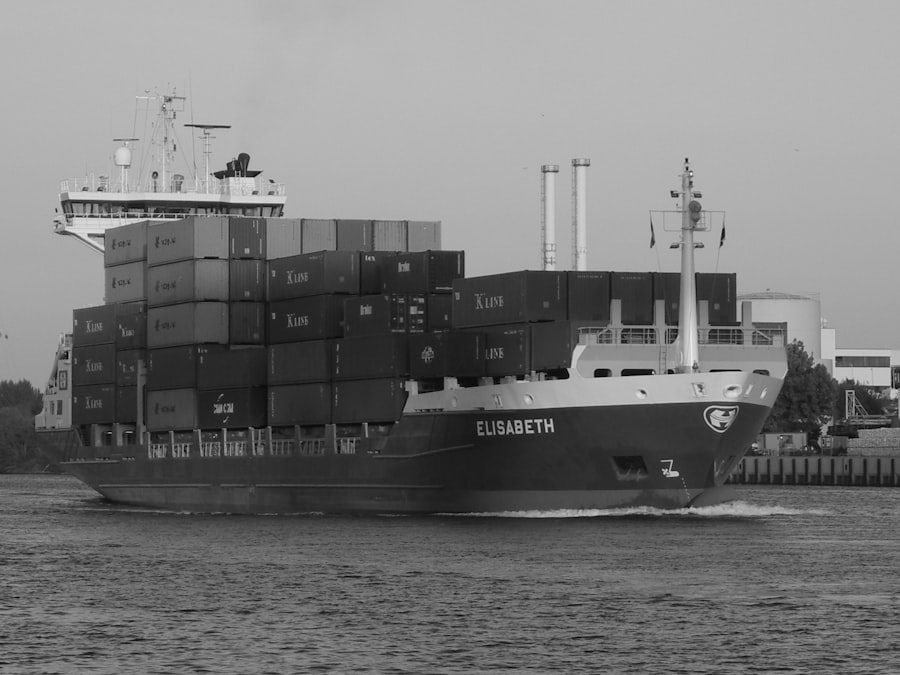
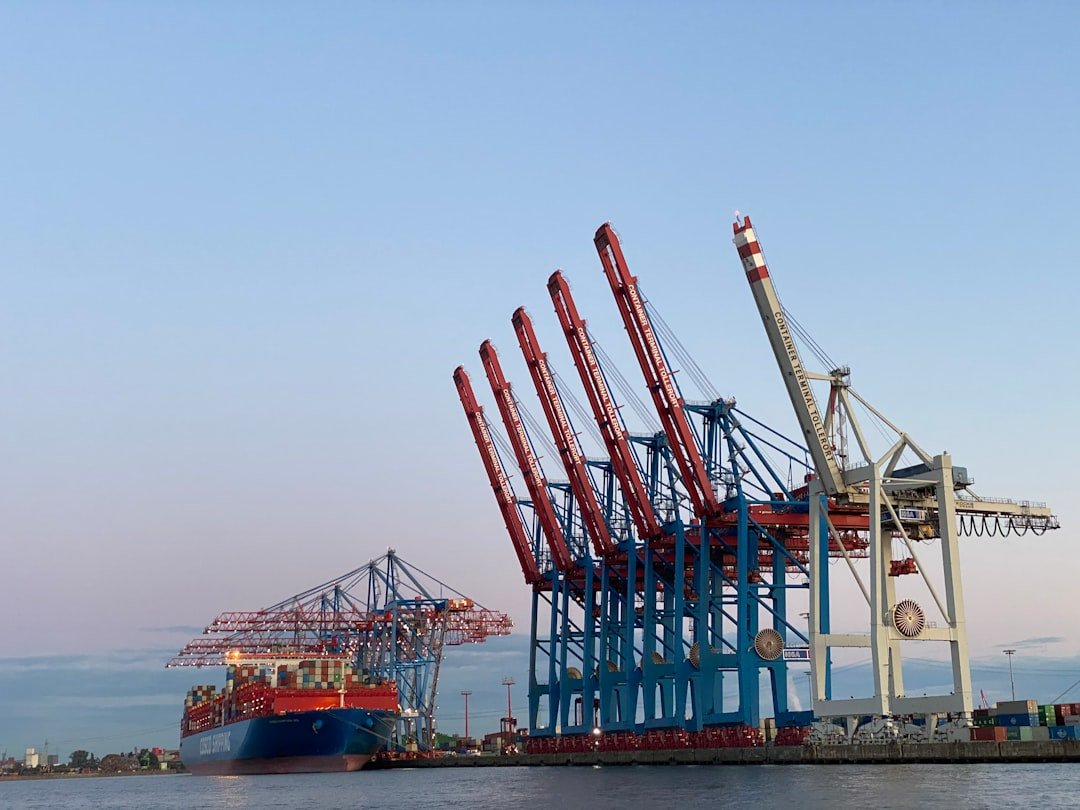
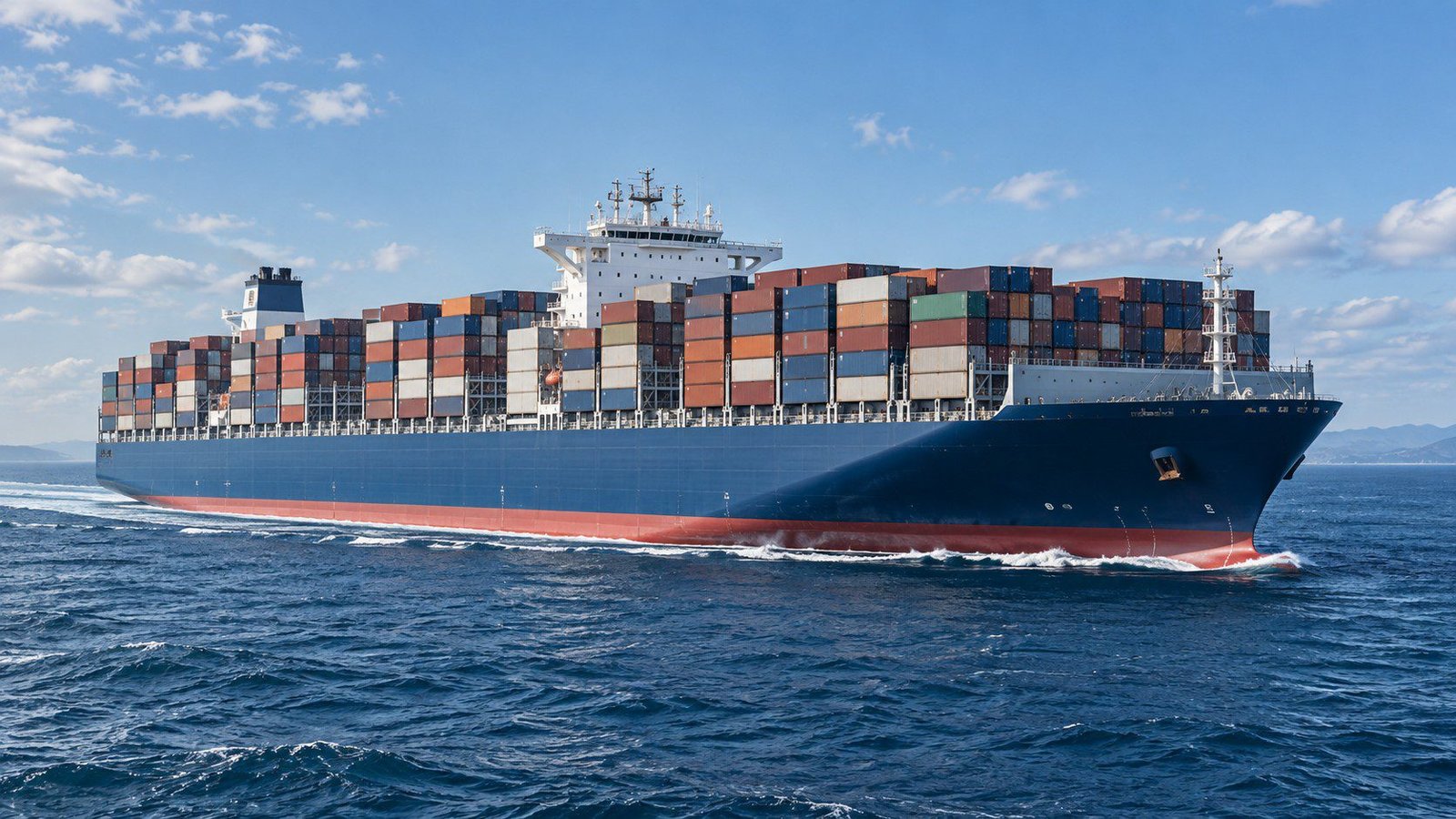
containership

Packaging plays a pivotal role in the safe transport of dangerous goods, as it serves as the first line of defense against potential hazards. The IMDG Code stipulates stringent packaging requirements tailored to each class of dangerous goods. These requirements include specifications for container materials, design, and performance standards to withstand various conditions during transit. For example, flammable liquids must be packaged in containers that can prevent leakage and withstand pressure changes, while corrosive substances require packaging that can resist chemical reactions.

In addition to packaging standards, proper marking is essential for ensuring that all personnel involved in the transport process are aware of the nature of the goods being handled. The IMDG Code mandates specific labeling practices, including hazard symbols, UN numbers, and handling instructions. These markings must be clearly visible and legible to facilitate quick identification in case of emergencies. By adhering to these packaging and marking requirements, organizations can significantly reduce the risk of accidents and enhance overall safety during the transportation of dangerous goods.

Proper Handling and Stowage of Dangerous Goods

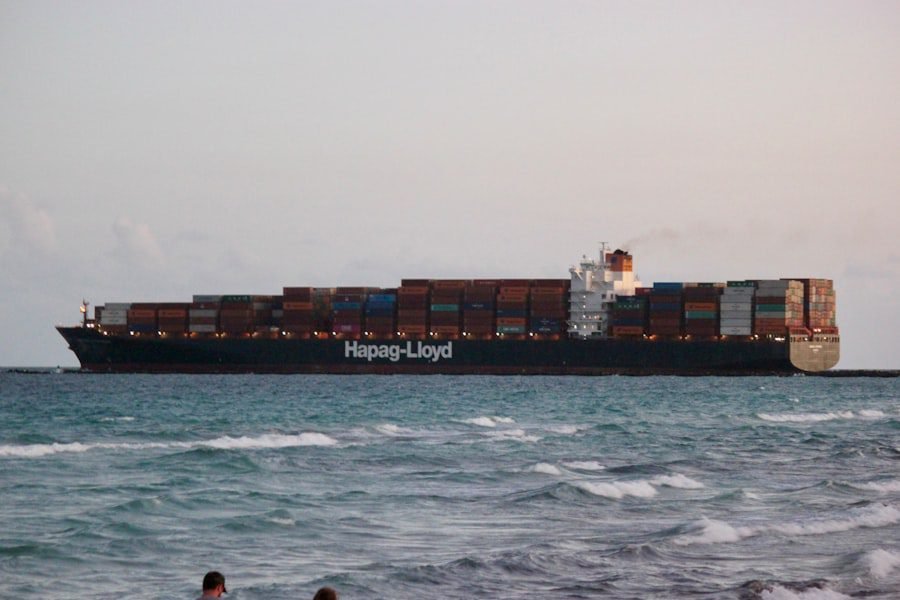
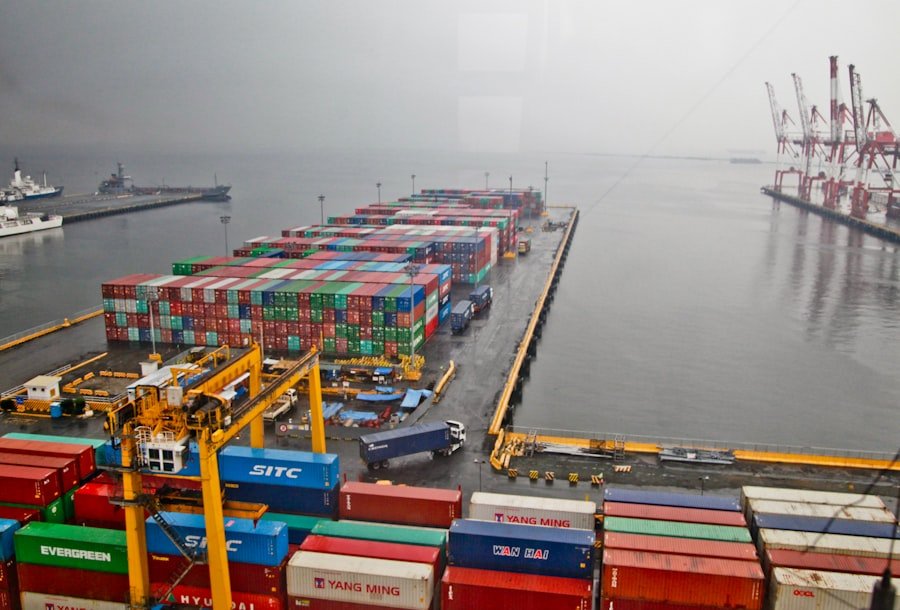
Photo containership

The handling and stowage of dangerous goods require meticulous attention to detail to prevent accidents and ensure compliance with safety regulations. Proper handling involves training personnel to recognize hazards associated with different types of dangerous goods and implementing standard operating procedures (SOPs) that prioritize safety. This includes using appropriate personal protective equipment (PPE), following correct lifting techniques, and employing specialized equipment designed for handling hazardous materials.

Stowage is equally critical, as it involves strategically placing dangerous goods within a vessel to minimize risks during transit. The IMDG Code provides guidelines on segregation requirements, which dictate how different classes of dangerous goods should be stored relative to one another. For instance, incompatible substances must be kept apart to prevent reactions that could lead to fires or explosions. Additionally, stowage plans should account for factors such as weight distribution and access routes for emergency response teams. By prioritizing proper handling and stowage practices, organizations can create a safer environment for both personnel and cargo.

For those interested in enhancing their knowledge about the safe transportation of hazardous materials, the article on IMDG Insights offers valuable guidance on effective dangerous goods handling. You can explore more about this topic in detail by visiting the IMDG course page, which provides comprehensive resources and training opportunities to ensure compliance and safety in the shipping industry.

Training and Certification for Handling Dangerous Goods

Metrics Data
Number of Dangerous Goods Handled 500
Incidents Reported 10
Training Hours on Dangerous Goods Handling 100
Compliance Rate 95%

Training and certification are indispensable components of a robust safety culture in the transportation of dangerous goods. The IMDG Code emphasizes the need for personnel involved in the handling of hazardous materials to receive comprehensive training tailored to their specific roles. This training should cover various aspects, including identification and classification of dangerous goods, packaging requirements, emergency response procedures, and regulatory compliance.

Certification programs play a crucial role in ensuring that individuals possess the necessary knowledge and skills to handle dangerous goods safely. These programs often include theoretical components as well as practical exercises that simulate real-world scenarios. By investing in ongoing training and certification for employees, organizations can foster a workforce that is well-equipped to manage the complexities associated with dangerous goods transportation. This commitment not only enhances safety but also builds trust with clients and regulatory bodies.

Emergency Response and Contingency Planning for Dangerous Goods

I highly recommend checking out the IMDG courses for comprehensive training in sea transport of dangerous goods.
In the event of an incident involving dangerous goods, having a well-defined emergency response plan is essential for minimizing harm to people, property, and the environment. The IMDG Code requires organizations to develop contingency plans that outline procedures for responding to various emergencies, such as spills, leaks, or fires involving hazardous materials. These plans should include clear communication protocols, designated roles for response teams, and procedures for notifying relevant authorities.

Effective emergency response planning also involves conducting regular drills and simulations to ensure that personnel are familiar with their roles during an incident. These exercises help identify potential gaps in response strategies and provide opportunities for continuous improvement. By prioritizing emergency response preparedness, organizations can significantly reduce the impact of accidents involving dangerous goods and demonstrate their commitment to safety.

Documentation and Reporting for Dangerous Goods Transportation

Accurate documentation is a cornerstone of compliance with IMDG regulations when transporting dangerous goods. The IMDG Code mandates specific documentation requirements that must be fulfilled before loading hazardous materials onto vessels. This includes preparing a Dangerous Goods Declaration (DGD), which provides essential information about the nature of the goods being transported, their classification, packaging details, and emergency contact information.

In addition to the DGD, organizations must maintain comprehensive records related to the transportation of dangerous goods. This documentation serves multiple purposes: it ensures compliance with regulatory requirements, facilitates communication among stakeholders, and provides a reference point in case of incidents or inspections. By implementing robust documentation practices, organizations can enhance transparency in their operations while minimizing legal risks associated with non-compliance.

Risk Assessment and Management for Dangerous Goods Handling

Risk assessment is a critical process in managing the hazards associated with dangerous goods handling. Organizations must conduct thorough assessments to identify potential risks throughout the supply chain—from storage facilities to transportation routes. This involves evaluating factors such as the nature of the goods being transported, environmental conditions, and potential human factors that could contribute to accidents.

Once risks have been identified, organizations can implement risk management strategies tailored to mitigate those hazards effectively. This may include investing in specialized equipment, enhancing training programs, or revising standard operating procedures (SOPs). By adopting a proactive approach to risk assessment and management, organizations can create safer working environments while ensuring compliance with IMDG regulations.

Compliance and Enforcement of IMDG Regulations

Compliance with IMDG regulations is not merely a matter of adhering to legal requirements; it reflects an organization’s commitment to safety and environmental responsibility. Regulatory bodies around the world enforce these regulations through inspections, audits, and penalties for non-compliance. Organizations found in violation of IMDG regulations may face significant fines or legal repercussions that can damage their reputation.

To ensure compliance, organizations must stay informed about updates to the IMDG Code and engage in continuous improvement practices. This includes conducting regular internal audits to assess adherence to safety protocols and identifying areas for enhancement. By fostering a culture of compliance within their operations, organizations can not only avoid penalties but also build trust with clients and stakeholders who prioritize safety in their supply chains.

Technology and Innovation in Dangerous Goods Handling

The integration of technology into dangerous goods handling has revolutionized safety practices within the maritime industry. Innovations such as real-time tracking systems enable organizations to monitor shipments throughout their journey, providing valuable data on location, temperature fluctuations, and potential hazards. This information allows for timely interventions if issues arise during transport.

Moreover, advancements in automation have streamlined various processes related to dangerous goods handling. Automated systems can assist with inventory management, ensuring that hazardous materials are stored correctly according to IMDG regulations. Additionally, digital platforms facilitate better communication among stakeholders by providing access to essential documentation in real time. By embracing technology and innovation, organizations can enhance safety measures while improving operational efficiency.

Best Practices and Case Studies in IMDG Compliance and Dangerous Goods Handling

Implementing best practices in IMDG compliance is essential for organizations seeking to enhance their safety protocols when handling dangerous goods. One notable example is a global shipping company that adopted a comprehensive training program focused on hazard recognition and emergency response procedures. As a result of this initiative, the company reported a significant reduction in incidents involving hazardous materials during transport.

Another case study highlights a logistics provider that invested in advanced tracking technology for its shipments of dangerous goods. By utilizing real-time monitoring systems, they were able to identify potential risks early on and take corrective actions before incidents occurred. This proactive approach not only improved safety outcomes but also enhanced customer confidence in their services.

In conclusion, adherence to IMDG regulations is paramount for ensuring the safe transportation of dangerous goods by sea. By understanding these regulations thoroughly—alongside effective identification, classification, packaging, handling practices—organizations can foster a culture of safety that protects both people and the environment while navigating the complexities associated with hazardous materials transportation.

IMDG courses

IMDG Expertise: Mastering Hazardous Cargo Rules

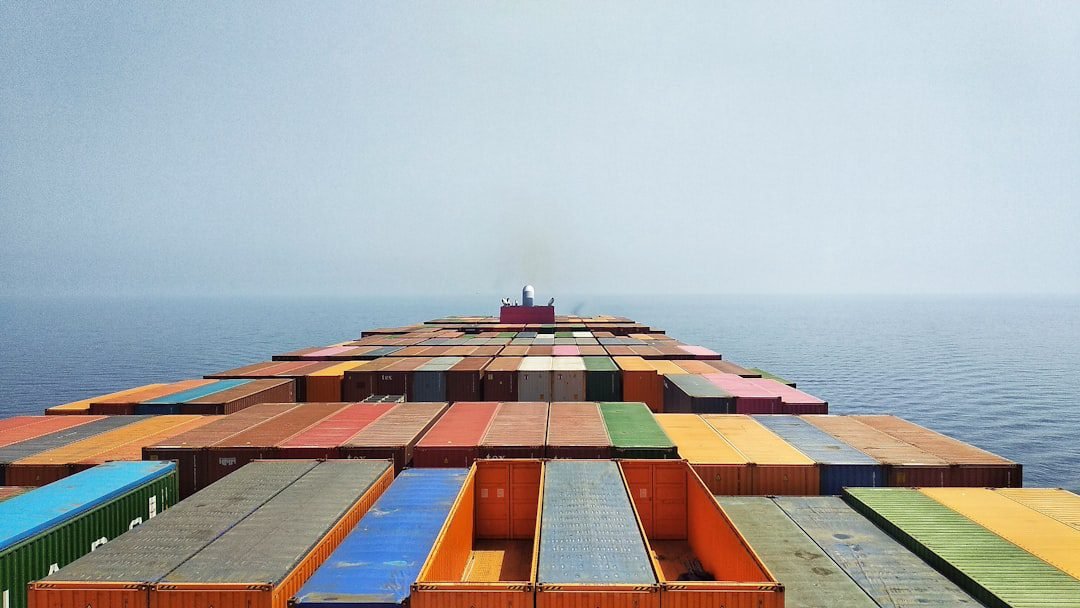
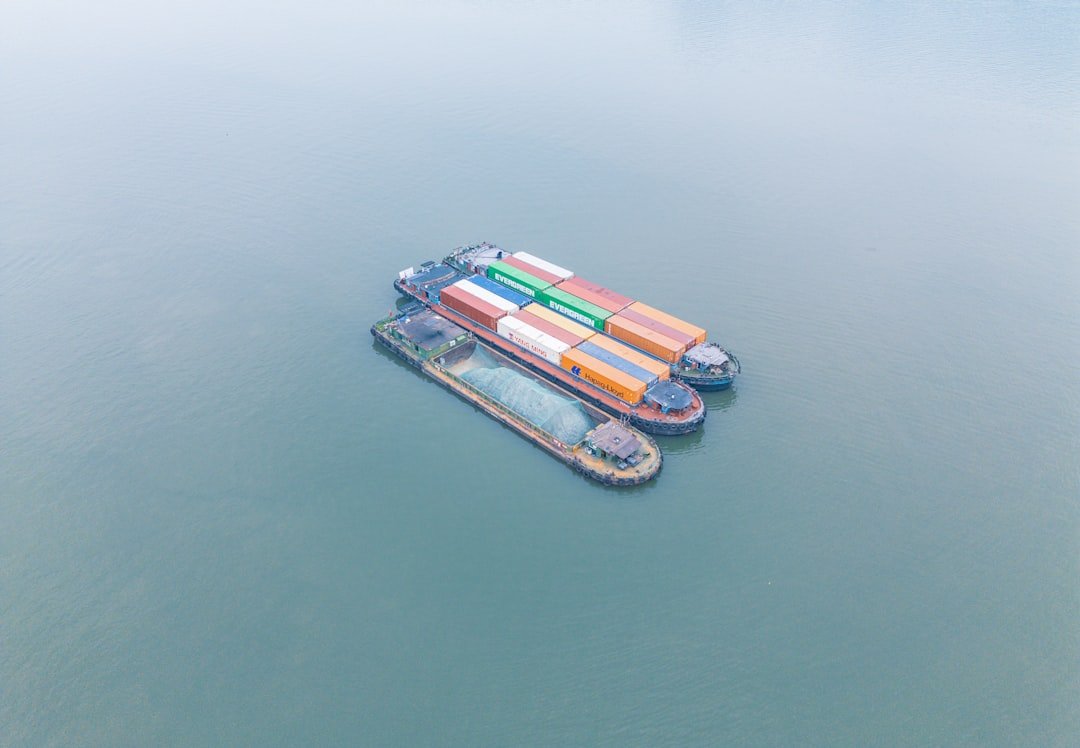
Photo containers

The International Maritime Dangerous Goods (IMDG) Code serves as a critical framework for the safe transport of hazardous materials by sea. Established by the International Maritime Organization (IMO), this code outlines the necessary precautions and procedures to mitigate risks associated with the shipping of dangerous goods. It encompasses a wide range of substances, including flammable liquids, toxic agents, and corrosive materials, all of which pose significant threats to human health and the environment if not handled properly. Understanding the IMDG Code is essential for anyone involved in the logistics and transportation of hazardous cargo, as it provides the guidelines necessary to ensure safety and compliance.

The IMDG Code is not merely a set of rules; it is a comprehensive system that integrates various aspects of maritime safety, environmental protection, and regulatory compliance. It categorizes hazardous materials into different classes based on their properties and potential risks, allowing shippers and carriers to identify the specific requirements for each type of cargo. This classification system is vital for ensuring that appropriate measures are taken during loading, transport, and unloading processes. By adhering to the IMDG Code, stakeholders can significantly reduce the likelihood of accidents and incidents that could have devastating consequences for both people and the planet.

For those looking to deepen their understanding of hazardous cargo regulations, the article “IMDG Expertise: Mastering Hazardous Cargo Rules” provides invaluable insights and guidance. It covers essential aspects of the International Maritime Dangerous Goods (IMDG) Code, ensuring that professionals are well-equipped to handle hazardous materials safely. To explore more resources related to this topic, you can visit the affiliate area at this link.

Key Takeaways

  • Understanding the IMDG Code is crucial for handling hazardous cargo safely and in compliance with regulations.
  • Expertise in IMDG compliance is essential for ensuring the safe transport of hazardous cargo.
  • Navigating the complex regulations of IMDG requires specialized knowledge and training.
  • Developing expertise in IMDG is necessary to ensure proper packaging, labeling, and handling of hazardous cargo.
  • Training and certification in IMDG expertise is vital for those involved in handling hazardous cargo.

The Importance of Expertise in IMDG Compliance for Hazardous Cargo

Expertise in IMDG compliance is paramount for organizations involved in the transportation of hazardous cargo. The complexities of the IMDG Code require a deep understanding of its provisions, as well as the ability to interpret and apply them effectively. Without this expertise, companies risk non-compliance, which can lead to severe penalties, legal repercussions, and damage to their reputation. Moreover, improper handling of hazardous materials can result in catastrophic accidents, endangering lives and causing environmental disasters. Therefore, having knowledgeable personnel who are well-versed in IMDG regulations is not just beneficial; it is essential for operational integrity.

Furthermore, expertise in IMDG compliance fosters a culture of safety within organizations. When employees are trained and knowledgeable about the regulations governing hazardous cargo, they are more likely to prioritize safety in their daily operations. This proactive approach not only minimizes risks but also enhances overall efficiency in logistics and transportation processes. Companies that invest in developing IMDG expertise among their staff demonstrate a commitment to responsible practices, which can enhance their standing in the industry and build trust with clients and partners.

Navigating the Complex Regulations of IMDG for Hazardous Cargo

containers

Navigating the intricate regulations of the IMDG Code can be a daunting task for many organizations. The code is continually updated to reflect new scientific findings, technological advancements, and emerging risks associated with hazardous materials. As such, staying abreast of these changes is crucial for compliance. Organizations must be vigilant in monitoring updates to the IMDG Code and adapting their practices accordingly. This requires not only a thorough understanding of the existing regulations but also an ability to anticipate future changes that may impact their operations.

Moreover, the complexity of the IMDG Code is compounded by the need for coordination among various stakeholders involved in the transportation process. From manufacturers and shippers to carriers and port authorities, each party plays a vital role in ensuring compliance with IMDG regulations. Effective communication and collaboration among these stakeholders are essential for successfully navigating the regulatory landscape. Organizations must establish clear lines of communication and foster relationships with all parties involved to ensure that everyone is aligned on compliance requirements and safety protocols.

Developing Expertise in IMDG to Ensure Safe Transport of Hazardous Cargo

Photo containers

Developing expertise in IMDG is a multifaceted process that involves ongoing education and training. Organizations must prioritize continuous learning opportunities for their employees to keep them informed about the latest developments in hazardous cargo regulations. This can include workshops, seminars, and online courses focused on various aspects of the IMDG Code. By investing in their workforce’s knowledge base, companies can cultivate a team of experts capable of effectively managing hazardous materials throughout the shipping process.

Additionally, practical experience plays a crucial role in developing IMDG expertise. Employees should have opportunities to engage in hands-on training that simulates real-world scenarios involving hazardous cargo. This experiential learning approach allows individuals to apply theoretical knowledge in practical situations, reinforcing their understanding of compliance requirements and safety measures. By combining formal education with practical experience, organizations can ensure that their personnel are well-equipped to handle hazardous materials safely and efficiently.

For those looking to deepen their understanding of hazardous cargo regulations, the article on IMDG Expertise: Mastering Hazardous Cargo Rules provides valuable insights and practical guidance. Additionally, readers may find the related resource on the mobile app for IMDG courses particularly useful, as it offers convenient access to essential information and updates. You can explore this resource further by visiting this link.

Training and Certification in IMDG Expertise for Handling Hazardous Cargo

IMDG Expertise Metrics Value
Number of Hazardous Cargo Rules Mastered 15
Training Hours Completed 40
Number of Successful Hazardous Cargo Shipments 100
Compliance Rate 98%

Training and certification programs are vital components in building expertise in IMDG compliance for handling hazardous cargo. These programs provide individuals with the necessary knowledge and skills to navigate the complexities of the IMDG Code effectively. Certification not only validates an individual’s understanding of hazardous materials regulations but also enhances their credibility within the industry. Organizations that prioritize certification for their employees demonstrate a commitment to safety and compliance, which can significantly improve their operational standards.

Moreover, training programs should be tailored to meet the specific needs of different roles within an organization. For instance, personnel involved in packaging hazardous materials may require specialized training focused on proper packing techniques and labeling requirements. Conversely, those responsible for logistics and transportation may need training that emphasizes regulatory compliance during transit. By offering targeted training programs, organizations can ensure that all employees possess the relevant expertise needed to handle hazardous cargo safely.

For those looking to deepen their understanding of hazardous cargo regulations, a valuable resource is the article on IMDG Expertise, which provides insights into mastering the complexities of shipping dangerous goods. This comprehensive guide not only covers the essential rules but also highlights practical applications for professionals in the field. To explore this further, you can visit the IMDG course page for additional materials and training options that can enhance your expertise in handling hazardous cargo safely and efficiently.

Expertise in IMDG: Ensuring Proper Packaging and Labeling of Hazardous Cargo

I highly recommend checking out the IMDG courses for anyone involved in sea transport of dangerous goods.
Proper packaging and labeling are critical components of safely transporting hazardous cargo under the IMDG Code. Expertise in these areas ensures that materials are contained securely during transit, minimizing the risk of leaks or spills that could lead to dangerous situations. The IMDG Code specifies stringent requirements for packaging materials based on the type of hazardous substance being transported. Understanding these requirements is essential for ensuring compliance and safeguarding public health and safety.

Labeling is equally important as it provides vital information about the nature of the cargo being transported. Accurate labeling helps emergency responders quickly assess potential hazards in case of an incident during transport. Expertise in IMDG ensures that labels are not only compliant with regulatory standards but also clearly convey essential information such as handling instructions, hazard symbols, and emergency contact details. By prioritizing proper packaging and labeling practices, organizations can significantly reduce risks associated with transporting hazardous materials.

The Role of IMDG Expertise in Emergency Response for Hazardous Cargo Incidents

In the event of an incident involving hazardous cargo, having personnel with IMDG expertise is crucial for effective emergency response. Trained individuals can quickly assess the situation, identify potential hazards, and implement appropriate response measures to mitigate risks. Their knowledge of the IMDG Code enables them to communicate effectively with emergency responders, providing critical information about the nature of the cargo involved and any specific precautions that need to be taken.

Moreover, organizations with a strong foundation in IMDG expertise are better prepared to develop comprehensive emergency response plans tailored to their specific operations. These plans should outline procedures for responding to various scenarios involving hazardous materials, including spills, leaks, or accidents during transport. By incorporating IMDG guidelines into their emergency response strategies, organizations can enhance their preparedness and ensure a swift and effective response to any incidents involving hazardous cargo.

IMDG Expertise: Mitigating Risks and Ensuring Compliance for Hazardous Cargo

Mitigating risks associated with hazardous cargo requires a proactive approach grounded in IMDG expertise. Organizations must conduct thorough risk assessments to identify potential hazards related to their operations involving dangerous goods. This includes evaluating factors such as packaging integrity, transportation routes, and storage conditions. By understanding these risks, organizations can implement targeted measures to minimize potential dangers while ensuring compliance with regulatory requirements.

Furthermore, ongoing monitoring and evaluation are essential components of risk mitigation strategies. Organizations should regularly review their practices related to hazardous cargo handling to identify areas for improvement or adjustment based on changing regulations or emerging risks. By fostering a culture of continuous improvement rooted in IMDG expertise, organizations can enhance their ability to manage hazardous materials safely while maintaining compliance with international standards.

The Impact of IMDG Expertise on Global Trade of Hazardous Cargo

IMDG expertise plays a significant role in facilitating global trade involving hazardous cargo. As international shipping continues to expand, so does the need for effective regulation and compliance regarding dangerous goods transport. Organizations equipped with IMDG knowledge can navigate complex international regulations more efficiently, ensuring that their shipments meet all necessary requirements for safe transport across borders.

Moreover, having a strong foundation in IMDG compliance enhances an organization’s reputation within the global marketplace. Clients and partners are more likely to trust companies that demonstrate a commitment to safety and regulatory adherence when handling hazardous materials. This trust can lead to increased business opportunities and partnerships as organizations seek reliable partners capable of managing dangerous goods responsibly.

Challenges and Opportunities in Building Expertise in IMDG for Hazardous Cargo

Building expertise in IMDG compliance presents both challenges and opportunities for organizations involved in hazardous cargo transport. One significant challenge lies in keeping pace with evolving regulations and industry standards. As new research emerges regarding hazardous materials’ properties or potential risks, organizations must adapt their practices accordingly—a task that requires ongoing education and training efforts.

However, these challenges also present opportunities for growth and innovation within organizations. By investing in developing IMDG expertise among employees, companies can enhance their operational efficiency while fostering a culture of safety that benefits everyone involved—employees, clients, and communities alike. Additionally, organizations that prioritize compliance may find themselves better positioned to capitalize on emerging markets or trends related to sustainable practices within logistics.

The Future of IMDG Expertise: Innovations and Best Practices for Handling Hazardous Cargo

The future of IMDG expertise will likely be shaped by innovations aimed at improving safety standards while enhancing operational efficiency when handling hazardous cargo. Technological advancements such as automated tracking systems or real-time monitoring tools could revolutionize how organizations manage dangerous goods throughout their supply chains—providing greater visibility into potential risks while streamlining compliance efforts.

Moreover, best practices surrounding training programs will continue evolving as organizations recognize the importance of equipping employees with relevant skills tailored specifically toward handling hazardous materials safely under current regulations like those outlined by the IMDG Code. By embracing these innovations alongside established best practices rooted firmly within regulatory frameworks like those provided by international bodies such as IMO—organizations can ensure they remain at the forefront when it comes to safely transporting hazardous cargo into an increasingly interconnected world economy.

In conclusion, understanding and developing expertise in the IMDG Code is essential for ensuring safe transport practices regarding hazardous cargo across global trade networks today—and into tomorrow’s future where innovation meets responsibility head-on!

IMDG courses

IMDG Ready: Training for Hazardous Cargo Safety

Photo Containership

IMDG Ready Training is a specialized educational program designed to equip individuals with the knowledge and skills necessary to handle hazardous materials in compliance with the International Maritime Dangerous Goods (IMDG) Code. This training is essential for anyone involved in the transportation of dangerous goods by sea, including shippers, freight forwarders, and port personnel. The IMDG Code provides a framework for the safe transport of hazardous materials, ensuring that all parties involved understand the risks and responsibilities associated with handling such cargo.

The training encompasses various aspects, including the classification of hazardous materials, proper labeling and packaging, emergency response procedures, and the legal obligations that come with transporting dangerous goods. By completing IMDG Ready Training, individuals not only enhance their professional qualifications but also contribute to a safer working environment. This training is crucial in fostering a culture of safety and compliance within organizations that deal with hazardous cargo.

For those interested in enhancing their understanding of hazardous cargo safety, the article “IMDG Ready: Training for Hazardous Cargo Safety” provides essential insights and training resources. To further explore related topics and tools that can assist in the safe handling of dangerous goods, you can check out this informative resource: IMDG Course Mobile App. This app offers valuable features designed to support professionals in the shipping industry.

Key Takeaways

  • IMDG Ready Training is a specialized program designed to educate and train individuals on the safe handling and transportation of hazardous cargo.
  • The IMDG Code is a set of guidelines and regulations that govern the safe transportation of hazardous materials by sea, and it is crucial for ensuring the safety of both the cargo and the individuals involved in its handling.
  • Mishandling hazardous cargo can lead to serious risks and dangers, including environmental pollution, health hazards, and potential accidents and incidents.
  • Legal requirements for IMDG Ready Training vary by country, but it is generally mandatory for individuals involved in the transportation of hazardous cargo to undergo this specialized training.
  • Proper handling and storage of hazardous cargo is essential for preventing accidents and incidents, and IMDG Ready Training plays a crucial role in ensuring that individuals are equipped with the necessary knowledge and skills to do so.

Understanding the IMDG Code and its Importance for Hazardous Cargo Safety

The IMDG Code serves as a comprehensive guideline for the safe transport of dangerous goods by sea. It was developed by the International Maritime Organization (IMO) to address the unique challenges posed by hazardous materials during maritime transport. The code categorizes various substances based on their potential risks, providing specific instructions on how to handle, package, and label these materials appropriately. Understanding the IMDG Code is vital for anyone involved in the shipping industry, as it lays the groundwork for safe practices and regulatory compliance.

The importance of the IMDG Code cannot be overstated. It not only protects the safety of crew members and port workers but also safeguards the environment from potential spills or accidents that could arise from improper handling of hazardous cargo. By adhering to the guidelines set forth in the IMDG Code, organizations can significantly reduce the likelihood of incidents that could lead to catastrophic consequences. This adherence fosters trust among stakeholders, including customers, regulatory bodies, and the general public, reinforcing the commitment to safety and responsibility in maritime operations.

The Risks and Dangers of Handling Hazardous Cargo

Containership

Handling hazardous cargo presents numerous risks that can have severe implications for both human health and the environment. These materials can be flammable, toxic, corrosive, or reactive, posing threats not only during transportation but also during loading and unloading processes. Accidents involving hazardous cargo can lead to fires, explosions, chemical spills, and long-term environmental damage. The potential for such incidents underscores the necessity for rigorous training and adherence to safety protocols.

Moreover, the psychological impact on employees who handle hazardous materials should not be overlooked. The constant awareness of potential dangers can lead to stress and anxiety among workers, which may affect their performance and decision-making abilities. Therefore, it is crucial for organizations to implement comprehensive training programs that not only educate employees about the risks but also empower them with strategies to mitigate these dangers effectively. By fostering a culture of safety and preparedness, companies can enhance employee confidence and reduce the likelihood of accidents.

The Legal Requirements for IMDG Ready Training

Photo Containership

Legal requirements surrounding IMDG Ready Training are established to ensure that individuals involved in the transport of hazardous materials are adequately prepared to handle such responsibilities. Various international regulations mandate that personnel receive appropriate training before engaging in activities related to dangerous goods. These regulations are designed to protect not only workers but also the public and the environment from the risks associated with hazardous cargo.

In many jurisdictions, failure to comply with these legal requirements can result in significant penalties, including fines and legal action against organizations. Additionally, non-compliance can lead to reputational damage and loss of business opportunities. Therefore, it is imperative for companies to prioritize IMDG Ready Training as part of their operational strategy. By investing in training programs that meet legal standards, organizations can ensure compliance while promoting a culture of safety and responsibility among their workforce.

For those interested in enhancing their knowledge of hazardous cargo safety, a related article can be found at IMDG Ready, which provides essential training resources and insights. This comprehensive guide not only covers the necessary regulations but also emphasizes the importance of proper handling and transportation of dangerous goods. By exploring this resource, individuals can better prepare themselves for the challenges associated with hazardous materials in the shipping industry.

The Importance of Proper Handling and Storage of Hazardous Cargo

Training Module Number of Participants Pass Rate
Introduction to IMDG Code 50 90%
Hazardous Materials Classification 45 85%
Packaging and Marking Requirements 48 88%
Documentation and Labeling 47 87%

Proper handling and storage of hazardous cargo are critical components of ensuring safety in maritime operations. Inadequate handling practices can lead to accidents that jeopardize not only the individuals directly involved but also surrounding communities and ecosystems. For instance, improper storage conditions may result in chemical reactions or leaks that could have devastating consequences. Therefore, understanding best practices for handling and storing hazardous materials is essential for all personnel involved in these processes.

Moreover, organizations must implement robust systems for monitoring and managing hazardous cargo throughout its lifecycle. This includes regular inspections, proper documentation, and adherence to established protocols for loading and unloading. By prioritizing proper handling and storage practices, companies can minimize risks associated with hazardous materials while enhancing operational efficiency. Ultimately, a commitment to safety in these areas reflects an organization’s dedication to protecting its employees, customers, and the environment.

The Different Classes of Hazardous Cargo and their Specific Training Needs

I highly recommend checking out the IMDG courses for comprehensive training in sea transport of dangerous goods.
Hazardous cargo is categorized into different classes based on its properties and associated risks. Each class presents unique challenges that require tailored training approaches to ensure safe handling and transportation. For example, Class 1 includes explosives, which necessitate specialized training focused on risk assessment and emergency response procedures. In contrast, Class 3 encompasses flammable liquids, where training may emphasize proper storage techniques and fire prevention measures.

Understanding these classifications is crucial for developing effective training programs that address specific needs. Employees must be aware of the characteristics of each class of hazardous cargo they may encounter and receive targeted instruction on how to manage these materials safely. By providing comprehensive training that aligns with the specific risks associated with different classes of hazardous cargo, organizations can enhance safety outcomes while ensuring compliance with regulatory requirements.

The Role of IMDG Ready Training in Preventing Accidents and Incidents

IMDG Ready Training plays a pivotal role in preventing accidents and incidents related to hazardous cargo transportation. By equipping employees with essential knowledge about safe handling practices, emergency response protocols, and regulatory compliance, this training significantly reduces the likelihood of mishaps occurring during maritime operations. Employees who undergo IMDG Ready Training are better prepared to identify potential hazards and take proactive measures to mitigate risks.

Furthermore, this training fosters a culture of safety within organizations. When employees are well-informed about the dangers associated with hazardous materials and understand their responsibilities in ensuring safety, they are more likely to adhere to established protocols consistently. This collective commitment to safety not only protects individuals but also enhances overall operational efficiency by minimizing disruptions caused by accidents or incidents.

The Benefits of IMDG Ready Training for Employees and Employers

The benefits of IMDG Ready Training extend beyond mere compliance; they encompass a wide range of advantages for both employees and employers alike. For employees, this training enhances their skill set and knowledge base, making them more valuable assets within their organizations. It instills confidence in their ability to handle hazardous materials safely, reducing anxiety associated with potential risks. Additionally, employees who receive comprehensive training are more likely to feel empowered in their roles, leading to increased job satisfaction and morale.

For employers, investing in IMDG Ready Training translates into reduced liability risks and improved operational efficiency. Organizations that prioritize safety through effective training programs are less likely to experience costly accidents or regulatory penalties. Moreover, fostering a culture of safety enhances an organization’s reputation within the industry, attracting clients who prioritize responsible practices. Ultimately, both employees and employers benefit from a commitment to IMDG Ready Training as it creates a safer working environment while promoting professional growth.

How to Choose the Right IMDG Ready Training Program

Selecting the right IMDG Ready Training program is crucial for ensuring that employees receive effective education tailored to their specific needs. Organizations should consider several factors when evaluating potential training providers. First and foremost, it is essential to verify that the program aligns with current regulations outlined in the IMDG Code. This ensures that employees receive up-to-date information regarding best practices for handling hazardous cargo.

Additionally, organizations should assess the training delivery methods offered by providers. Options may include in-person workshops, online courses, or blended learning approaches that combine both formats. Each method has its advantages; therefore, companies should choose a program that best fits their workforce’s learning preferences and operational requirements. Furthermore, seeking feedback from other organizations that have utilized specific training programs can provide valuable insights into their effectiveness.

The Components of a Comprehensive IMDG Ready Training Program

A comprehensive IMDG Ready Training program should encompass several key components to ensure participants gain a thorough understanding of hazardous cargo handling practices. First, it should include an overview of the IMDG Code itself, highlighting its significance in promoting safety during maritime transport. Participants should learn about different classes of hazardous materials and their associated risks.

Additionally, practical exercises are essential for reinforcing theoretical knowledge gained during training sessions. Hands-on activities may involve simulating emergency scenarios or practicing proper labeling and packaging techniques for various types of hazardous cargo. Furthermore, ongoing assessments should be integrated into the program to evaluate participants’ understanding continually. By incorporating these elements into an IMDG Ready Training program, organizations can ensure that employees are well-prepared to handle hazardous materials safely.

The Future of Hazardous Cargo Safety and the Role of IMDG Ready Training

As global trade continues to expand, the transportation of hazardous cargo will remain a critical aspect of maritime operations. The future of hazardous cargo safety hinges on ongoing advancements in training methodologies and regulatory frameworks designed to address emerging challenges within this field. IMDG Ready Training will play an increasingly vital role in equipping individuals with the skills necessary to navigate evolving risks associated with dangerous goods transportation.

Moreover, technological innovations such as digital learning platforms and simulation-based training tools will enhance the effectiveness of IMDG Ready Training programs. These advancements will allow organizations to deliver more engaging educational experiences while ensuring compliance with regulatory standards. As industries adapt to changing landscapes within global trade dynamics, a commitment to continuous improvement in training practices will be essential for maintaining high standards of safety in hazardous cargo handling.

In conclusion, IMDG Ready Training is an indispensable component of ensuring safe practices in the transportation of hazardous materials by sea. By understanding its significance alongside legal requirements and best practices for handling dangerous goods, organizations can foster a culture of safety that benefits both employees and employers alike. As industries evolve, so too must training methodologies—ensuring that all personnel are equipped with the knowledge necessary to navigate the complexities associated with hazardous cargo safely.

IMDG courses

IMDG code: Ensuring Safe Maritime Logistics

Photo Dangerous goods

The International Maritime Dangerous Goods (IMDG) Code serves as a critical framework for the safe transportation of hazardous materials by sea. Established by the International Maritime Organization (IMO), this code is designed to protect the safety of life at sea, safeguard the marine environment, and ensure the efficient movement of goods across international waters. The IMDG Code outlines specific guidelines and regulations that govern the classification, packaging, labeling, and documentation of dangerous goods, thereby providing a comprehensive approach to managing risks associated with maritime transport.

The significance of the IMDG Code cannot be overstated, as it plays a pivotal role in mitigating the dangers posed by hazardous materials. With the global shipping industry continually expanding, the volume of dangerous goods transported by sea has increased dramatically. This growth necessitates stringent regulations to prevent accidents and incidents that could have catastrophic consequences for both human life and the environment. By adhering to the IMDG Code, stakeholders in maritime logistics can ensure that they are equipped to handle hazardous materials responsibly and effectively.

For those interested in enhancing their understanding of maritime safety regulations, a related article titled “Ensuring Safe Maritime Logistics” provides valuable insights into the International Maritime Dangerous Goods (IMDG) Code. This article discusses the importance of adhering to the IMDG Code to ensure the safe transport of hazardous materials by sea. To explore this topic further, you can read the article here: Ensuring Safe Maritime Logistics.

Key Takeaways

  • The IMDG Code is essential for regulating the safe transport of hazardous materials by sea.
  • Safety in maritime logistics relies heavily on strict adherence to IMDG Code guidelines.
  • Proper training, certification, and documentation are critical for IMDG Code compliance.
  • Effective packaging, labeling, and emergency response protocols minimize risks during maritime transport.
  • Ongoing collaboration and adaptation are necessary to address future challenges in maritime safety regulations.

Understanding Maritime Logistics

Maritime logistics encompasses the planning, execution, and management of the movement of goods via sea routes. It involves a complex network of activities that include shipping, warehousing, distribution, and supply chain management. The maritime sector is integral to global trade, as it facilitates the transportation of a vast array of products, from raw materials to finished goods. Understanding maritime logistics requires an appreciation of the various components that contribute to the efficient movement of cargo across oceans.

One of the key elements of maritime logistics is the coordination between different stakeholders, including shipping companies, freight forwarders, port authorities, and customs officials. Each party plays a vital role in ensuring that goods are transported safely and efficiently. Additionally, advancements in technology have transformed maritime logistics, enabling real-time tracking of shipments and enhancing communication among stakeholders. This interconnectedness is essential for optimizing supply chain operations and minimizing delays in the transportation process.

Importance of Safety in Maritime Transportation

Dangerous goods

Safety is paramount in maritime transportation, particularly when dealing with hazardous materials. The potential risks associated with transporting dangerous goods are significant, ranging from chemical spills to explosions. These incidents can have dire consequences not only for those directly involved but also for surrounding communities and ecosystems. Therefore, prioritizing safety measures is essential to protect human life and preserve the marine environment.

The importance of safety in maritime transportation extends beyond regulatory compliance; it encompasses a culture of responsibility among all stakeholders. Shipping companies must implement robust safety protocols and conduct regular training for their personnel to ensure they are well-prepared to handle emergencies. Furthermore, fostering a safety-first mindset within organizations can lead to improved operational efficiency and reduced liability. Ultimately, a commitment to safety is not just a legal obligation but a moral imperative that underpins the integrity of the maritime industry.

The Role of the IMDG Code in Ensuring Safe Maritime Logistics

Photo Dangerous goods

The IMDG Code plays a crucial role in establishing safety standards for the transportation of hazardous materials by sea. By providing clear guidelines on how to classify dangerous goods, the code helps prevent mismanagement and accidents during transit. It categorizes substances based on their inherent risks, allowing shippers to take appropriate precautions when handling and transporting these materials. This systematic approach is vital for minimizing hazards associated with maritime logistics.

Moreover, the IMDG Code emphasizes the importance of proper packaging and labeling of hazardous materials. By mandating specific packaging requirements, it ensures that dangerous goods are contained securely during transport, reducing the likelihood of leaks or spills. Additionally, clear labeling provides essential information to all parties involved in the shipping process, facilitating safe handling and emergency response if necessary. In this way, the IMDG Code serves as a cornerstone for safe maritime logistics practices.

In the realm of maritime logistics, adhering to the IMDG code is crucial for ensuring the safe transport of dangerous goods. A related article that provides valuable insights into the implementation of these regulations can be found at this link. Understanding the nuances of the IMDG code not only enhances safety but also promotes efficiency in shipping operations, making it essential reading for professionals in the industry.

Compliance with IMDG Code Regulations

Metric Description Value/Standard Unit
Number of Hazard Classes Total classes of dangerous goods as per IMDG Code 9 Classes
Maximum Gross Mass Maximum allowed gross mass per package 400 kg
Segregation Groups Number of segregation groups for incompatible goods 18 Groups
Emergency Response Guide Number Guide number for emergency response procedures Varies by substance Number
Packaging Instructions Standardized packaging requirements Varies by class and substance Instruction Codes
Training Frequency Minimum frequency for personnel training on IMDG Code Every 2 years Years
Documentation Requirements Mandatory shipping documents for dangerous goods Transport Document, Safety Data Sheet Documents
Labeling Requirements Labels required on packages carrying dangerous goods Class labels, handling marks Labels
Stowage Categories Categories defining stowage locations on vessels Category A, B, C, D Categories
Reporting Incidents Timeframe to report dangerous goods incidents Immediately upon occurrence Time

Compliance with IMDG Code regulations is not merely a matter of legal obligation; it is essential for maintaining safety standards within the maritime industry. Organizations involved in shipping hazardous materials must familiarize themselves with the code’s requirements and implement them rigorously. This includes understanding the classification of dangerous goods, adhering to packaging standards, and ensuring proper documentation is in place.

Failure to comply with IMDG Code regulations can result in severe consequences, including fines, legal action, and reputational damage. Moreover, non-compliance can lead to accidents that jeopardize lives and harm the environment. Therefore, organizations must prioritize compliance as part of their operational strategy. Regular audits and assessments can help identify areas for improvement and ensure that all practices align with current regulations.

Training and Certification for IMDG Code Compliance

For comprehensive training on maritime dangerous goods, consider enrolling in IMDG courses.
Training and certification are integral components of ensuring compliance with the IMDG Code. Personnel involved in handling hazardous materials must receive comprehensive training that covers all aspects of the code, including classification, packaging, labeling, and emergency response procedures. This training equips employees with the knowledge and skills necessary to manage dangerous goods safely and effectively.

Certification programs provide an additional layer of assurance that individuals possess the requisite expertise in IMDG Code compliance. These programs often involve assessments that validate an individual’s understanding of hazardous materials regulations and best practices. By investing in training and certification, organizations not only enhance their compliance efforts but also foster a culture of safety within their workforce.

Packaging and Labeling Requirements for Hazardous Materials

Proper packaging and labeling are critical components of transporting hazardous materials safely. The IMDG Code outlines specific requirements for packaging that vary based on the classification of dangerous goods. These requirements ensure that materials are contained securely during transit, minimizing the risk of leaks or spills that could pose threats to human health or the environment.

Labeling is equally important, as it provides essential information about the nature of the hazardous material being transported. Clear labels indicate potential risks associated with the substance and provide instructions for safe handling. Compliance with packaging and labeling requirements not only enhances safety but also facilitates efficient communication among stakeholders involved in maritime logistics.

Documentation and Reporting for IMDG Code Compliance

Documentation plays a vital role in ensuring compliance with the IMDG Code. Accurate records must be maintained throughout the shipping process to provide a clear trail of information regarding hazardous materials. This includes documentation related to classification, packaging, labeling, and transportation arrangements. Proper documentation is essential for regulatory compliance and serves as a reference point in case of emergencies or inspections.

Reporting requirements also form an integral part of IMDG Code compliance. Organizations must be prepared to report any incidents involving hazardous materials promptly. This includes spills, leaks, or accidents that may occur during transport. Timely reporting not only aids in effective incident management but also contributes to continuous improvement efforts within organizations by identifying areas where safety protocols may need enhancement.

Emergency Response and Incident Management in Maritime Logistics

In maritime logistics, preparedness for emergencies is crucial when dealing with hazardous materials. The IMDG Code emphasizes the need for robust emergency response plans that outline procedures for managing incidents involving dangerous goods. These plans should include clear protocols for containment, evacuation, communication, and coordination with relevant authorities.

Effective incident management requires collaboration among various stakeholders, including shipping companies, port authorities, emergency services, and environmental agencies. By establishing strong communication channels and conducting regular drills, organizations can enhance their readiness to respond swiftly and effectively to emergencies. A proactive approach to incident management not only minimizes potential harm but also reinforces a culture of safety within the maritime industry.

Collaboration and Communication in Ensuring Safe Maritime Logistics

Collaboration and communication are essential elements in ensuring safe maritime logistics practices. The complexity of transporting hazardous materials necessitates cooperation among various stakeholders throughout the supply chain. Shipping companies must work closely with freight forwarders, port authorities, customs officials, and emergency responders to ensure that all parties are aligned on safety protocols and compliance requirements.

Effective communication is vital for sharing critical information regarding hazardous materials throughout the shipping process. This includes providing updates on shipment status, potential risks associated with specific cargoes, and any changes in regulations or procedures. By fostering an environment of open communication and collaboration, organizations can enhance their ability to manage risks effectively and ensure safe transportation practices.

Future Developments and Challenges in IMDG Code Compliance for Maritime Logistics

As global trade continues to evolve, so too will the challenges associated with IMDG Code compliance in maritime logistics. Emerging technologies such as automation and digitalization present both opportunities and challenges for stakeholders involved in transporting hazardous materials. While these advancements can enhance efficiency and safety through improved tracking systems and data analytics, they also require organizations to adapt their compliance strategies accordingly.

Additionally, increasing environmental concerns may lead to stricter regulations regarding hazardous materials transportation in the future. Organizations must remain vigilant in monitoring regulatory changes and adapting their practices to meet evolving standards. By staying ahead of these developments and embracing a proactive approach to compliance, stakeholders can navigate the complexities of maritime logistics while ensuring safety remains at the forefront of their operations.

In conclusion, adherence to the IMDG Code is essential for ensuring safe maritime logistics when transporting hazardous materials. Through comprehensive training, effective communication, robust emergency response plans, and a commitment to compliance, stakeholders can mitigate risks associated with dangerous goods transportation while contributing to a safer maritime industry overall. As challenges continue to emerge in this dynamic field, ongoing collaboration and innovation will be key drivers in maintaining high safety standards within maritime logistics.

IMDG courses

Handling Hazards: IMDG Course for Safe Shipping

Photo Containership

The International Maritime Dangerous Goods (IMDG) Code serves as a critical framework for the safe transport of hazardous materials by sea. Established by the International Maritime Organization (IMO), this code provides comprehensive guidelines that ensure the protection of human life, property, and the marine environment. The IMDG Code categorizes dangerous goods into various classes based on their specific hazards, such as flammability, toxicity, and corrosiveness. This classification system is essential for shipping companies, port authorities, and regulatory bodies to manage risks effectively and ensure compliance with international standards.

Moreover, the IMDG Code is not static; it undergoes regular updates to reflect advancements in safety practices and emerging risks associated with hazardous materials. These updates are crucial for keeping pace with the evolving landscape of global trade and environmental concerns. By adhering to the IMDG Code, stakeholders in the shipping industry can mitigate potential dangers associated with transporting hazardous goods, thereby fostering a safer maritime environment. Understanding the nuances of this code is vital for anyone involved in the shipping of dangerous goods, as it lays the groundwork for safe practices and regulatory compliance.

For those interested in enhancing their knowledge of safe shipping practices, the article on the IMDG Course mobile app provides valuable insights and resources. This app is designed to assist professionals in navigating the complexities of the International Maritime Dangerous Goods (IMDG) Code, ensuring compliance and safety in the transport of hazardous materials. To learn more about this useful tool, you can read the article here: IMDG Course Mobile App.

Key Takeaways

  • The IMDG Code provides essential guidelines for the safe transport of hazardous materials by sea.
  • Proper identification, classification, packaging, and labeling are critical to prevent accidents during shipping.
  • Comprehensive training and certification ensure personnel are equipped to handle dangerous goods safely.
  • Emergency response planning and risk management are vital to mitigate incidents involving hazardous materials.
  • Ongoing compliance, environmental protection, and technological advancements support continuous improvement in maritime safety.

Identifying and Classifying Hazards for Safe Shipping

Identifying and classifying hazards is a fundamental step in ensuring the safe shipping of dangerous goods. The IMDG Code outlines specific criteria for categorizing materials based on their inherent risks. This classification process involves evaluating the physical and chemical properties of substances, which helps determine their potential hazards during transport. For instance, flammable liquids are classified differently from corrosive substances, each requiring tailored handling procedures to minimize risks.

In addition to classification, proper identification of hazardous materials is essential for effective communication among all parties involved in the shipping process. Accurate labeling and documentation are critical components that facilitate the safe handling of these materials. When hazards are clearly identified and classified, it allows for appropriate safety measures to be implemented, reducing the likelihood of accidents or incidents during transit. This proactive approach not only protects personnel but also safeguards the environment from potential contamination or damage.

Regulations and Guidelines for Handling Hazardous Materials

Containership

The handling of hazardous materials is governed by a complex web of regulations and guidelines designed to ensure safety throughout the shipping process. These regulations are established by various national and international bodies, including the IMO, Occupational Safety and Health Administration (OSHA), and Environmental Protection Agency (EPA). Each organization plays a vital role in creating standards that address different aspects of hazardous material handling, from packaging requirements to emergency response protocols.

Compliance with these regulations is not merely a legal obligation; it is a moral imperative that underscores the responsibility of shippers to protect their employees, customers, and the environment. Organizations must implement robust training programs to ensure that all personnel involved in handling hazardous materials are well-versed in these regulations. Regular audits and inspections can further reinforce compliance, helping to identify potential gaps in safety practices and allowing for timely corrective actions. By adhering to established guidelines, companies can significantly reduce the risk of accidents and enhance their overall operational efficiency.

Importance of Proper Packaging and Labeling for Safe Shipping

Photo Containership

Proper packaging and labeling are paramount in the safe shipping of hazardous materials. The IMDG Code specifies stringent requirements for packaging that must be followed to prevent leaks, spills, or other incidents during transit. Packaging must be designed to withstand various environmental conditions, including temperature fluctuations and physical impacts. Additionally, it should be compatible with the contents to avoid chemical reactions that could lead to dangerous situations.

Labeling is equally important as it provides critical information about the nature of the hazardous material contained within. Clear and accurate labels help ensure that everyone involved in the shipping process understands the risks associated with the materials being transported. This includes not only those directly handling the goods but also emergency responders who may need to act quickly in case of an incident. By prioritizing proper packaging and labeling, companies can significantly enhance safety measures and reduce the likelihood of accidents during transportation.

For those interested in enhancing their knowledge of safe shipping practices, a related article on effective hazard management can provide valuable insights. This resource delves into the importance of proper training and compliance with international regulations, which is essential for anyone involved in the transportation of dangerous goods. To learn more about this topic and how it relates to the IMDG course, feel free to explore the information available on the contact page.

Handling and Storing Hazardous Materials Safely

Module Duration (hours) Key Topics Covered Assessment Type Passing Criteria (%)
Introduction to IMDG Code 2 Overview of IMDG, Importance of Safe Shipping Quiz 80
Classification of Dangerous Goods 3 Hazard Classes, Identification, Labeling Written Test 85
Packing and Marking 2.5 Packing Instructions, Marking Requirements Practical Exercise 90
Documentation and Emergency Procedures 3 Shipping Papers, Emergency Response Case Study 85
Handling and Stowage 2 Safe Handling, Segregation, Stowage Rules Practical Assessment 90
Final Examination 1.5 Comprehensive Course Review Written Exam 85

The safe handling and storage of hazardous materials require meticulous attention to detail and adherence to established protocols. Organizations must develop comprehensive procedures that outline how hazardous materials should be managed at every stage—from receipt to storage and eventual shipping. This includes implementing safety measures such as using appropriate personal protective equipment (PPE), conducting regular inspections of storage areas, and ensuring proper ventilation in storage facilities.

Moreover, training employees on safe handling practices is crucial for minimizing risks associated with hazardous materials. Workers should be educated about potential hazards, emergency procedures, and the importance of following established protocols. Regular drills can help reinforce this training, ensuring that employees are prepared to respond effectively in case of an emergency. By fostering a culture of safety and accountability, organizations can create an environment where hazardous materials are handled with care, significantly reducing the risk of accidents or incidents.

Emergency Response and Contingency Planning for Hazardous Incidents

For comprehensive training on maritime dangerous goods, consider enrolling in IMDG courses.
In any operation involving hazardous materials, having a robust emergency response plan is essential for mitigating risks associated with potential incidents. Such plans should outline clear procedures for responding to various scenarios, including spills, leaks, or fires involving dangerous goods. The IMDG Code emphasizes the importance of preparedness, urging organizations to develop contingency plans that address specific risks associated with their operations.

Training employees on emergency response procedures is a critical component of effective contingency planning. Regular drills should be conducted to ensure that all personnel are familiar with their roles during an emergency situation. Additionally, organizations should establish communication protocols that facilitate quick reporting and coordination with local authorities or emergency services when necessary. By prioritizing emergency preparedness, companies can minimize the impact of hazardous incidents on both personnel and the environment.

Training and Certification for IMDG Course

Training and certification play a pivotal role in ensuring compliance with the IMDG Code and enhancing safety in the shipping of hazardous materials. Organizations must invest in comprehensive training programs that cover all aspects of hazardous material handling, including classification, packaging, labeling, and emergency response procedures. These programs should be tailored to meet the specific needs of employees based on their roles within the organization.

Certification courses related to the IMDG Code provide individuals with a thorough understanding of regulatory requirements and best practices for safe shipping. Participants learn about hazard identification, risk assessment, and compliance measures necessary for transporting dangerous goods by sea. By equipping employees with this knowledge, organizations can foster a culture of safety while ensuring adherence to international standards. Continuous education and recertification are also essential to keep pace with evolving regulations and industry practices.

Risk Assessment and Management in Safe Shipping

Risk assessment is a fundamental component of safe shipping practices for hazardous materials. Organizations must conduct thorough evaluations to identify potential hazards associated with their operations and develop strategies to mitigate these risks effectively. This process involves analyzing various factors such as material properties, transportation routes, and environmental conditions that could impact safety during transit.

Once risks have been identified, organizations can implement management strategies that prioritize safety while maintaining operational efficiency. This may include modifying shipping routes to avoid populated areas or implementing additional safety measures during loading and unloading processes. Regular reviews of risk assessments are essential to adapt to changing circumstances or new information regarding hazardous materials. By proactively managing risks associated with shipping dangerous goods, organizations can significantly enhance safety outcomes while minimizing potential liabilities.

Environmental Protection and Hazardous Material Disposal

Environmental protection is a critical consideration when dealing with hazardous materials, particularly regarding their disposal. Improper disposal can lead to severe environmental consequences, including soil contamination, water pollution, and harm to wildlife. Organizations must adhere to strict regulations governing the disposal of hazardous waste as outlined by local and international authorities.

Implementing environmentally responsible disposal practices not only ensures compliance but also demonstrates a commitment to sustainability. Companies should explore options such as recycling or reusing materials whenever possible to minimize waste generation. Additionally, partnering with certified waste disposal companies can help ensure that hazardous materials are handled appropriately throughout their lifecycle. By prioritizing environmental protection in their operations, organizations contribute to a safer planet while safeguarding public health.

Role of Technology in Ensuring Safe Shipping of Hazardous Materials

Technology plays an increasingly vital role in enhancing safety during the shipping of hazardous materials. Advanced tracking systems allow organizations to monitor shipments in real-time, providing valuable data on location and condition throughout transit. This information can be crucial for identifying potential issues before they escalate into serious incidents.

Furthermore, technology can facilitate better communication among stakeholders involved in the shipping process. Digital platforms enable seamless sharing of information related to hazardous materials, including safety data sheets (SDS) and compliance documentation. Automation tools can streamline processes such as labeling and documentation, reducing human error while improving efficiency. By leveraging technology effectively, organizations can enhance safety measures while optimizing their operations in transporting dangerous goods.

Continuous Improvement and Compliance with IMDG Regulations

Continuous improvement is essential for maintaining compliance with IMDG regulations and ensuring safe shipping practices for hazardous materials. Organizations must regularly review their policies and procedures to identify areas for enhancement based on evolving industry standards or regulatory changes. This proactive approach fosters a culture of safety where employees are encouraged to contribute ideas for improving practices related to hazardous material handling.

Additionally, conducting regular audits can help organizations assess their compliance status while identifying potential gaps in safety measures or training programs. Engaging employees in these audits promotes accountability while reinforcing the importance of adhering to established protocols. By committing to continuous improvement efforts, organizations not only enhance their operational efficiency but also contribute positively to overall safety within the maritime industry.

In conclusion, navigating the complexities associated with transporting hazardous materials requires a comprehensive understanding of regulations like the IMDG Code alongside effective risk management strategies. By prioritizing safety through proper training, packaging, labeling, emergency preparedness planning, environmental protection efforts, technological advancements, and continuous improvement initiatives—organizations can significantly mitigate risks while ensuring compliance within this critical sector of global trade.

IMDG courses

IMDG code Fundamentals: Protecting Maritime Transport

Photo Containership

The International Maritime Dangerous Goods (IMDG) Code is a regulatory framework developed by the International Maritime Organization (IMO) that governs the safe transportation of hazardous materials by sea. The code establishes mandatory standards and procedures to protect vessel crews, passengers, marine ecosystems, and coastal populations from the risks associated with dangerous cargo transport. The IMDG Code specifies classification systems, packaging requirements, labeling standards, stowage procedures, and emergency response protocols for hazardous materials.

These regulations apply to all vessels carrying dangerous goods in international waters and provide uniform safety standards across different maritime jurisdictions. Maritime transport accounts for approximately 90% of global trade by volume, with hazardous materials representing a significant portion of seaborne cargo. The IMDG Code addresses the inherent risks of transporting chemicals, flammable substances, explosives, radioactive materials, and other dangerous goods across international waters.

Implementation of these regulations reduces the probability of maritime accidents, environmental contamination, and cargo-related incidents that could disrupt global supply chains. Compliance with the IMDG Code is mandatory for shipping companies, port operators, cargo handlers, and maritime authorities. The code undergoes regular updates to incorporate new scientific knowledge, technological advances, and lessons learned from maritime incidents, ensuring that safety standards evolve with changing industry practices and emerging hazards.
For comprehensive training on maritime dangerous goods, consider enrolling in IMDG courses.

Key Takeaways

  • The IMDG Code is essential for the safe transport of dangerous goods by sea.
  • Proper training and certification ensure compliance with IMDG regulations.
  • Packaging, labeling, and stowage guidelines minimize risks during maritime transport.
  • Emergency response planning and risk management are critical for handling incidents.
  • Ongoing collaboration and adaptation address future challenges in maritime safety.

Understanding the Fundamentals of the IMDG Code

At its core, the IMDG Code is structured around a series of classifications that categorize dangerous goods based on their properties and potential hazards. These classifications include flammable liquids, toxic substances, corrosive materials, and explosives, among others. Each category has specific requirements regarding packaging, labeling, and handling to ensure that these goods are transported safely.

Understanding these classifications is essential for anyone involved in the shipping industry, as it lays the groundwork for compliance with the code. Moreover, the IMDG Code is regularly updated to reflect new scientific knowledge and technological advancements. This dynamic nature ensures that the regulations remain relevant and effective in addressing emerging risks associated with hazardous materials.

Stakeholders must stay informed about these updates to maintain compliance and ensure the safety of their operations. By fostering a culture of continuous learning and adaptation, the maritime industry can better navigate the complexities of transporting dangerous goods.

Importance of Protecting Maritime Transport

Containership

The protection of maritime transport is paramount for several reasons. First and foremost, the safety of human life is at stake. Accidents involving dangerous goods can lead to catastrophic consequences, including loss of life, injuries, and environmental disasters.

By adhering to the IMDG Code, stakeholders can significantly reduce the likelihood of such incidents occurring, thereby safeguarding both crew members and passengers. In addition to protecting human life, the IMDG Code plays a crucial role in preserving marine ecosystems. The oceans are home to diverse species and delicate habitats that can be severely impacted by spills or accidents involving hazardous materials.

By implementing stringent regulations for the transport of dangerous goods, the IMDG Code helps mitigate environmental risks and promotes sustainable practices within the maritime industry. This commitment to environmental stewardship is essential for maintaining the health of our oceans for future generations.

Key Regulations and Requirements of the IMDG Code

The IMDG Code encompasses a wide range of regulations and requirements that govern various aspects of transporting dangerous goods by sea. One of the key components is the proper classification of hazardous materials. Shippers must accurately identify and categorize their goods according to the code’s guidelines to ensure appropriate handling and stowage.

This classification process is critical for determining the necessary precautions and emergency response measures that must be in place during transport. Another important aspect of the IMDG Code is its emphasis on packaging standards. The code specifies that dangerous goods must be packaged in containers that are designed to withstand the rigors of maritime transport while preventing leaks or spills.

These packaging requirements vary depending on the type of material being transported, with stricter standards applied to more hazardous substances. Compliance with these packaging regulations is essential for minimizing risks during transit and ensuring that goods arrive at their destination safely.

Training and Certification for IMDG Code Compliance

Aspect Description Key Metric/Standard Purpose
IMDG Code International Maritime Dangerous Goods Code Mandatory for all ships carrying dangerous goods Ensures safe transportation of hazardous materials by sea
Classification Categorization of dangerous goods into 9 classes Classes 1 to 9 (e.g., explosives, gases, flammable liquids) Identifies hazards and handling requirements
Packaging Standards for packaging dangerous goods UN packaging codes and performance tests Prevents leakage and accidents during transport
Labeling and Marking Use of hazard labels and proper markings Labels per class and subsidiary risk Provides visual hazard identification
Documentation Shipping papers and declarations Dangerous Goods Declaration (DGD) Ensures proper communication of hazards
Stowage and Segregation Rules for placement of dangerous goods on board Segregation tables and stowage categories Prevents dangerous interactions and accidents
Emergency Response Procedures for incidents involving dangerous goods Emergency schedules and contact info Minimizes impact of accidents
Training Mandatory training for personnel handling dangerous goods IMDG Code training certification Ensures competence and compliance

To ensure compliance with the IMDG Code, training and certification are essential components for all personnel involved in the transport of dangerous goods. This training equips individuals with the knowledge and skills necessary to handle hazardous materials safely and effectively. It covers various topics, including classification, packaging, labeling, and emergency response procedures.

By investing in comprehensive training programs, organizations can foster a culture of safety and accountability within their operations. Certification programs are also available for individuals seeking to demonstrate their expertise in IMDG Code compliance. These certifications validate an individual’s understanding of the code’s requirements and their ability to apply them in real-world scenarios.

By encouraging employees to pursue certification, companies not only enhance their operational safety but also improve their overall reputation within the industry. A well-trained workforce is better equipped to navigate challenges associated with transporting dangerous goods, ultimately leading to more efficient and secure maritime operations.

Packaging and Labeling Guidelines for Maritime Transport

Photo Containership

Packaging and labeling are critical elements of the IMDG Code that directly impact safety during maritime transport. The code outlines specific guidelines for packaging dangerous goods to ensure they are securely contained and protected from external factors that could compromise their integrity. For instance, containers must be robust enough to withstand potential impacts during loading and unloading processes while also being resistant to environmental conditions such as moisture or temperature fluctuations.

Labeling is equally important, as it provides essential information about the contents of each package. The IMDG Code mandates that all dangerous goods be clearly labeled with appropriate hazard symbols and information regarding handling precautions. This labeling serves as a visual cue for personnel involved in loading, unloading, and transporting these materials, helping them recognize potential hazards quickly.

Proper packaging and labeling not only enhance safety but also facilitate compliance with international regulations, ensuring smooth operations across borders.

Handling and Stowage of Dangerous Goods on Ships

The handling and stowage of dangerous goods on ships require meticulous attention to detail to prevent accidents during transit. The IMDG Code provides specific guidelines on how these materials should be loaded onto vessels, emphasizing the importance of segregation based on their hazard classifications. For example, incompatible substances must be stored separately to avoid reactions that could lead to fires or explosions.

Additionally, stowage plans must be developed to optimize space while ensuring safety. These plans outline where each type of dangerous good should be placed within the vessel, taking into account factors such as weight distribution and accessibility in case of emergencies. Proper handling techniques are also crucial; personnel must be trained in safe lifting practices and use appropriate equipment when moving hazardous materials.

By adhering to these guidelines, shipping companies can significantly reduce risks associated with transporting dangerous goods.

Emergency Response and Contingency Planning for Maritime Transport

Despite rigorous safety measures, emergencies can still occur during maritime transport. Therefore, having a robust emergency response plan is essential for mitigating potential consequences in case of an incident involving dangerous goods. The IMDG Code emphasizes the need for contingency planning that outlines procedures for various scenarios, including spills, leaks, or fires.

Training personnel in emergency response protocols is a critical aspect of this planning process. Crew members must be familiar with evacuation procedures, firefighting techniques, and containment measures specific to hazardous materials they may encounter during transport. Regular drills should be conducted to ensure that everyone knows their roles in an emergency situation.

By preparing for potential crises proactively, shipping companies can minimize damage and protect both human life and the environment.

Risk Assessment and Management in Maritime Transport

Risk assessment is a fundamental component of effective maritime transport operations involving dangerous goods. The IMDG Code encourages stakeholders to conduct thorough risk assessments to identify potential hazards associated with transporting specific materials. This process involves evaluating factors such as the nature of the goods being transported, environmental conditions during transit, and potential human factors that could contribute to accidents.

Once risks have been identified, management strategies must be developed to mitigate them effectively. This may include implementing additional safety measures, enhancing training programs for personnel, or investing in more robust packaging solutions. Continuous monitoring and review of risk management practices are essential for adapting to changing circumstances within the maritime industry.

By prioritizing risk assessment and management, stakeholders can create safer transport environments for hazardous materials.

Collaboration and Communication in the Maritime Industry

Collaboration among various stakeholders in the maritime industry is vital for ensuring compliance with the IMDG Code and enhancing overall safety during transport operations. Effective communication between shipping companies, port authorities, regulatory agencies, and other relevant parties fosters a shared understanding of responsibilities related to handling dangerous goods. Regular meetings and information-sharing initiatives can help identify best practices and address common challenges faced by industry players.

Additionally, leveraging technology such as digital platforms can streamline communication processes, allowing stakeholders to access real-time information regarding shipments and potential hazards quickly. By working together collaboratively, stakeholders can create a more cohesive approach to managing dangerous goods transportation while ensuring compliance with international regulations.

Future Developments and Challenges in IMDG Code Compliance

As global trade continues to evolve, so too will the challenges associated with IMDG Code compliance. Emerging technologies such as automation and digitalization present both opportunities and obstacles for stakeholders involved in transporting dangerous goods by sea. While these advancements can enhance efficiency and safety measures, they also require ongoing adaptation to ensure compliance with existing regulations.

Furthermore, increasing environmental concerns may lead to stricter regulations regarding hazardous materials transportation in the future. Stakeholders must remain vigilant in monitoring developments within regulatory frameworks while proactively addressing potential challenges related to compliance. By fostering a culture of innovation alongside adherence to established guidelines like those outlined in the IMDG Code, the maritime industry can navigate future complexities while prioritizing safety and sustainability in its operations.

In conclusion, adherence to the IMDG Code is essential for ensuring safe maritime transport of dangerous goods. Through understanding its fundamentals, implementing key regulations, providing training opportunities, following packaging guidelines, managing risks effectively, fostering collaboration among stakeholders, and preparing for future challenges—stakeholders can contribute significantly towards creating a safer maritime environment for all involved parties while protecting our oceans from potential harm caused by hazardous materials transportation.

In understanding the fundamentals of the IMDG Code and its role in protecting maritime transport, it is also beneficial to explore the various tools available for enhancing compliance and safety. One such resource is the WPWBot Mobile App, which provides users with essential information and guidance related to the IMDG Code, making it easier for maritime professionals to stay informed and compliant while on the go.

IMDG courses

IMDG Compliance: Navigating Dangerous Goods Regulations

Photo Port

The International Maritime Dangerous Goods (IMDG) Code serves as a critical framework for the safe transportation of hazardous materials by sea. Established by the International Maritime Organization (IMO), this code outlines the necessary regulations and guidelines that must be adhered to when shipping dangerous goods. It encompasses a wide range of substances, including flammable liquids, toxic agents, and corrosive materials, all of which pose significant risks to human health and the environment if not handled properly.

The IMDG Code is not merely a set of rules; it is a comprehensive guide that integrates safety, environmental protection, and operational efficiency in maritime transport. Understanding the IMDG Code requires familiarity with its structure and terminology. The code is divided into various sections, each addressing specific aspects of dangerous goods transportation.

These sections include definitions, classification of goods, packaging requirements, labeling, and documentation. By providing a standardized approach to handling hazardous materials, the IMDG Code facilitates international trade while ensuring that safety measures are consistently applied across different jurisdictions. This uniformity is essential for minimizing risks associated with the transport of dangerous goods and for fostering a culture of safety within the maritime industry. For comprehensive training on maritime dangerous goods, consider enrolling in IMDG courses.

Key Takeaways

  • The IMDG Code provides comprehensive regulations for the safe transportation of dangerous goods by sea.
  • Compliance with IMDG requirements, including proper packaging, marking, and labeling, is critical to prevent accidents.
  • Training, certification, and thorough documentation are essential components to ensure adherence to IMDG standards.
  • Effective handling, stowage, and emergency response planning minimize risks associated with dangerous goods shipments.
  • Staying updated on regulatory changes and conducting regular risk assessments support continuous improvement in IMDG compliance.

The Importance of IMDG Compliance: Ensuring Safe Transportation of Dangerous Goods

Compliance with the IMDG Code is paramount for ensuring the safe transportation of dangerous goods. Non-compliance can lead to catastrophic consequences, including accidents at sea, environmental disasters, and severe legal repercussions for shipping companies. The importance of adhering to these regulations cannot be overstated; they are designed to protect not only the crew and cargo but also the marine environment and coastal communities.

By following the IMDG Code, companies demonstrate their commitment to safety and responsibility in their operations. Moreover, IMDG compliance enhances a company’s reputation and credibility in the global market. Clients and partners are increasingly prioritizing safety and sustainability in their supply chains.

Companies that adhere to the IMDG Code are more likely to gain trust from stakeholders, which can lead to increased business opportunities. Additionally, regulatory bodies are more inclined to work with compliant organizations, reducing the risk of fines and sanctions. In essence, compliance with the IMDG Code is not just a legal obligation; it is a strategic advantage that can drive business success.

Key Elements of IMDG Compliance: Packaging, Marking, and Labeling Requirements for Dangerous Goods

Port

One of the fundamental aspects of IMDG compliance lies in the proper packaging, marking, and labeling of dangerous goods. The IMDG Code specifies stringent requirements for how hazardous materials should be packaged to prevent leaks, spills, or other incidents during transit. Packaging must be robust enough to withstand the rigors of maritime transport while ensuring that the contents remain secure.

This includes using appropriate materials that can resist corrosion or impact damage. In addition to packaging, marking and labeling are critical components of IMDG compliance. Each package containing dangerous goods must be clearly marked with specific symbols and information that indicate the nature of the hazard.

This includes UN numbers, proper shipping names, and hazard labels that convey essential information to handlers and emergency responders. Proper labeling not only aids in compliance but also enhances safety by ensuring that everyone involved in the transport process is aware of the potential risks associated with the cargo.

Training and Certification: Essential Steps for Ensuring IMDG Compliance

Training and certification are vital components in achieving and maintaining IMDG compliance. All personnel involved in the handling, packaging, and transportation of dangerous goods must receive adequate training to understand the complexities of the IMDG Code. This training should cover various topics, including classification of dangerous goods, proper handling techniques, emergency response procedures, and documentation requirements.
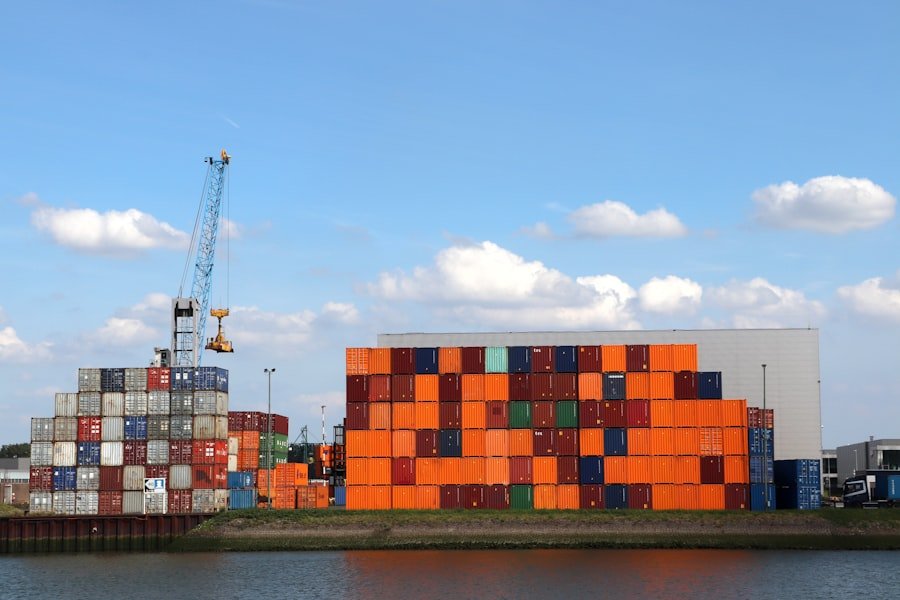
By equipping employees with this knowledge, companies can significantly reduce the likelihood of accidents and ensure that everyone is prepared to respond effectively in case of an emergency. Certification programs play a crucial role in validating an individual’s competence in handling dangerous goods. Many organizations offer specialized courses that culminate in certification upon successful completion.

These certifications not only enhance an employee’s skill set but also serve as a testament to a company’s commitment to safety and compliance. Regular refresher courses are also essential to keep personnel updated on any changes in regulations or best practices within the industry.

Documentation and Record-keeping: Meeting the Requirements for IMDG Code Compliance

Documentation is a cornerstone of IMDG compliance, as it provides a clear record of all activities related to the transportation of dangerous goods. The IMDG Code mandates specific documentation requirements that must be met before shipping hazardous materials. This includes shipping papers that detail the nature of the cargo, its classification, packaging details, and emergency contact information.

Accurate documentation ensures that all parties involved in the transport process are informed about the contents and associated risks. In addition to shipping papers, record-keeping is essential for demonstrating compliance with the IMDG Code. Companies must maintain comprehensive records of all shipments involving dangerous goods, including details about training sessions conducted for employees, inspections performed on packaging materials, and any incidents or accidents that may have occurred during transport.

These records not only serve as proof of compliance but also provide valuable insights for continuous improvement efforts within an organization.

Handling and Stowage of Dangerous Goods: Best Practices for IMDG Compliance

Photo Port

The handling and stowage of dangerous goods require meticulous attention to detail to ensure compliance with the IMDG Code. Best practices dictate that hazardous materials should be segregated based on their compatibility to prevent reactions that could lead to accidents or spills. For instance, flammable substances should be stored away from oxidizers or corrosive materials.

Proper stowage also involves securing packages to prevent movement during transit, which could compromise their integrity. Furthermore, personnel involved in handling dangerous goods should be equipped with appropriate personal protective equipment (PPE) to minimize exposure risks. This includes gloves, goggles, and respiratory protection as necessary based on the nature of the cargo being handled.

Regular audits and inspections should be conducted to ensure that handling practices align with IMDG requirements and that any potential hazards are promptly addressed.

Emergency Response Planning: Preparing for Accidents and Incidents with Dangerous Goods

Despite rigorous safety measures, accidents involving dangerous goods can still occur. Therefore, having a robust emergency response plan is essential for any organization involved in transporting hazardous materials. The IMDG Code emphasizes the need for companies to develop comprehensive emergency response procedures tailored to their specific operations.

This includes identifying potential risks associated with their cargo and outlining clear steps to take in case of an incident. Training employees on emergency response protocols is equally important. Regular drills should be conducted to ensure that personnel are familiar with evacuation procedures, containment measures, and communication protocols during an emergency.

Additionally, companies should establish partnerships with local emergency services to facilitate coordinated responses in case of significant incidents involving dangerous goods.

Regulatory Updates and Changes: Staying Informed to Maintain IMDG Compliance

The landscape of regulations governing dangerous goods transportation is continually evolving. Staying informed about updates and changes to the IMDG Code is crucial for maintaining compliance. Organizations must actively monitor regulatory developments at both national and international levels to ensure they are aware of any new requirements or amendments that may impact their operations.

Participating in industry forums, subscribing to relevant publications, and engaging with regulatory bodies can help companies stay abreast of changes in regulations. Additionally, organizations should consider appointing a compliance officer responsible for overseeing adherence to the IMDG Code and ensuring that all staff members are informed about any updates or training needs arising from regulatory changes.

International Shipping Considerations: Navigating Different Countries’ Regulations for Dangerous Goods

When engaging in international shipping of dangerous goods, companies must navigate a complex web of regulations that vary from country to country. While the IMDG Code provides a standardized framework for maritime transport, individual nations may have additional requirements or restrictions regarding hazardous materials. Understanding these nuances is essential for ensuring compliance across different jurisdictions.

To effectively manage international shipping considerations, organizations should conduct thorough research on the regulations governing dangerous goods in each destination country. This may involve consulting with local authorities or engaging logistics partners who possess expertise in navigating these regulations. By proactively addressing international compliance issues, companies can mitigate risks associated with cross-border transportation of hazardous materials.

Risk Assessment and Management: Identifying and Mitigating Hazards in IMDG Compliance

Risk assessment is a fundamental aspect of ensuring IMDG compliance. Organizations must systematically identify potential hazards associated with their operations involving dangerous goods. This involves evaluating factors such as the nature of the cargo being transported, environmental conditions during transit, and potential human factors that could contribute to accidents.

Once hazards have been identified, companies should implement risk management strategies aimed at mitigating these risks effectively. This may include investing in advanced packaging solutions, enhancing employee training programs, or adopting new technologies that improve safety during transport. Regular reviews of risk assessments are also necessary to adapt to changing circumstances or emerging threats within the industry.

Ensuring Continuous Improvement: Strategies for Maintaining and Enhancing IMDG Compliance

Achieving compliance with the IMDG Code is not a one-time effort; it requires ongoing commitment to continuous improvement. Organizations should establish a culture of safety that encourages employees at all levels to contribute ideas for enhancing compliance practices. Regular audits and assessments can help identify areas for improvement while fostering accountability within teams.

Additionally, leveraging technology can play a significant role in enhancing compliance efforts. Implementing digital solutions for tracking shipments, managing documentation, and conducting training can streamline processes while reducing human error. By embracing innovation and fostering a proactive approach to compliance, organizations can ensure they remain at the forefront of best practices in dangerous goods transportation.

In conclusion, understanding and adhering to the IMDG Code is essential for ensuring safe transportation practices involving dangerous goods. Through comprehensive training programs, meticulous documentation practices, effective risk management strategies, and a commitment to continuous improvement, organizations can navigate the complexities of hazardous materials transport while safeguarding human health and the environment.

For those looking to deepen their understanding of IMDG compliance and the intricacies of navigating dangerous goods regulations, a valuable resource can be found in the article available at IMDG Course. This site offers comprehensive insights and training materials that can help professionals ensure they are fully compliant with the latest regulations in the transport of dangerous goods.

IMDG courses

Safe Seas: IMDG Code Training for Professionals

Photo Containership

The significance of safe seas cannot be overstated in today’s interconnected world. Maritime transportation serves as the backbone of global trade, with approximately 90% of the world’s goods being transported by sea. This vast network of shipping routes facilitates the movement of essential commodities, from food and raw materials to manufactured products.

However, the sheer volume of maritime traffic also brings with it a host of risks, including environmental hazards, accidents, and the potential for catastrophic incidents involving hazardous materials. Therefore, ensuring safety at sea is not just a regulatory requirement; it is a moral imperative that affects economies, ecosystems, and human lives. Moreover, the importance of safe seas extends beyond mere compliance with regulations.

It encompasses the protection of marine environments and the preservation of biodiversity. Incidents such as oil spills or the release of toxic substances can have devastating effects on marine life and coastal communities. As such, fostering a culture of safety within the maritime industry is essential for sustainable development.

This culture is built on a foundation of knowledge, awareness, and adherence to established protocols, which ultimately contribute to the overall health of the oceans and the safety of those who navigate them. Learn more about IMDG courses at IMDG courses.

Key Takeaways

  • Safe seas are crucial for the global economy, environment, and security.
  • The IMDG Code plays a vital role in ensuring the safe transportation of dangerous goods by sea.
  • Specialized training in IMDG Code compliance is essential for professionals involved in maritime transportation.
  • IMDG Code training benefits professionals by enhancing their knowledge and skills in handling dangerous goods.
  • Key components of IMDG Code training include understanding classification, packaging, marking, labeling, and documentation requirements.

The Role of the IMDG Code in Ensuring Safe Maritime Transportation

The International Maritime Dangerous Goods (IMDG) Code plays a pivotal role in ensuring safe maritime transportation by providing a comprehensive framework for the classification, packaging, and handling of dangerous goods. This code was developed by the International Maritime Organization (IMO) to address the unique challenges posed by hazardous materials at sea. By establishing standardized procedures and guidelines, the IMDG Code helps to mitigate risks associated with the transportation of dangerous goods, thereby enhancing safety for crew members, vessels, and the marine environment.

In addition to its regulatory function, the IMDG Code serves as a vital communication tool among stakeholders in the maritime industry. It provides clear definitions and classifications for various types of dangerous goods, enabling shippers, carriers, and port authorities to understand their responsibilities and obligations. This clarity is essential for preventing misunderstandings that could lead to accidents or incidents during transportation.

Furthermore, adherence to the IMDG Code fosters international cooperation and harmonization in maritime operations, which is crucial in an industry characterized by diverse regulations and practices across different countries.

The Need for Specialized Training in IMDG Code Compliance

Containership

Given the complexities involved in handling dangerous goods, specialized training in IMDG Code compliance is essential for professionals in the maritime industry. The transportation of hazardous materials requires a deep understanding of various factors, including classification criteria, packaging requirements, labeling standards, and emergency response procedures. Without proper training, individuals may inadvertently expose themselves and others to significant risks, leading to accidents that could have been easily avoided.

Moreover, specialized training ensures that professionals are equipped with the latest knowledge and skills necessary to navigate the evolving landscape of maritime regulations. As new technologies emerge and environmental concerns grow, the IMDG Code is regularly updated to reflect these changes. Therefore, ongoing education is crucial for maintaining compliance and ensuring that safety protocols are effectively implemented.

By investing in specialized training programs, organizations can cultivate a workforce that is not only knowledgeable but also proactive in identifying potential hazards and implementing best practices.

Benefits of IMDG Code Training for Professionals

IMDG Code training offers numerous benefits for professionals working in the maritime sector. First and foremost, it enhances their understanding of safety protocols related to dangerous goods transportation. This knowledge empowers individuals to make informed decisions when handling hazardous materials, ultimately reducing the likelihood of accidents and incidents.

Furthermore, trained professionals are better equipped to respond effectively in emergency situations, minimizing potential harm to themselves and others. In addition to improving safety outcomes, IMDG Code training can also enhance career prospects for maritime professionals. As organizations increasingly prioritize compliance with international regulations, individuals with specialized knowledge in dangerous goods handling are in high demand.

Completing IMDG Code training can set candidates apart in a competitive job market, opening doors to new opportunities and career advancement. Moreover, ongoing education in this area demonstrates a commitment to professional development and safety excellence, which can further bolster an individual’s reputation within the industry.

Key Components of IMDG Code Training

IMDG Code training encompasses several key components designed to provide participants with a comprehensive understanding of dangerous goods transportation. One critical aspect is the classification of hazardous materials. Participants learn how to identify different classes of dangerous goods based on their properties and potential risks.

This foundational knowledge is essential for ensuring that appropriate handling procedures are followed throughout the transportation process. Another important component of IMDG Code training is packaging requirements. Proper packaging is crucial for preventing leaks or spills during transit, which could have dire consequences for both human safety and the environment.

Training programs typically cover various packaging standards and guidelines outlined in the IMDG Code, equipping participants with the skills needed to select suitable containers and ensure compliance with labeling requirements. Additionally, training often includes emergency response procedures, enabling professionals to act swiftly and effectively in case of an incident involving dangerous goods.

Ensuring Compliance with International Regulations

Photo Containership

Compliance with international regulations is a cornerstone of safe maritime operations. The IMDG Code serves as a key regulatory framework that governs the transportation of dangerous goods by sea. However, compliance is not merely about adhering to rules; it requires a proactive approach that involves continuous monitoring and assessment of practices within organizations.

This commitment to compliance helps to foster a culture of safety that permeates all levels of an organization. To ensure compliance with international regulations like the IMDG Code, organizations must implement robust training programs that keep employees informed about current standards and best practices. Regular audits and assessments can also help identify areas for improvement and ensure that safety protocols are being followed consistently.

By prioritizing compliance as an integral part of their operations, organizations can mitigate risks associated with dangerous goods transportation while also enhancing their reputation within the industry.

The Impact of Proper Training on Maritime Safety

Proper training has a profound impact on maritime safety by equipping professionals with the knowledge and skills necessary to handle dangerous goods responsibly. When individuals are well-trained in IMDG Code compliance, they are more likely to recognize potential hazards and take appropriate measures to mitigate risks. This proactive approach not only enhances individual safety but also contributes to the overall safety culture within an organization.

Furthermore, proper training fosters a sense of accountability among maritime professionals. When individuals understand their roles and responsibilities regarding dangerous goods transportation, they are more likely to take ownership of their actions and prioritize safety in their daily operations. This collective commitment to safety can lead to significant reductions in accidents and incidents at sea, ultimately protecting lives and preserving marine environments.

The Role of Professionals in Maintaining Safe Seas

Professionals in the maritime industry play a crucial role in maintaining safe seas through their adherence to established protocols and commitment to continuous improvement. From ship operators and crew members to logistics coordinators and port authorities, each individual contributes to a larger system that prioritizes safety at every stage of the transportation process. Their collective efforts ensure that dangerous goods are handled responsibly and that potential risks are effectively managed.

Moreover, professionals serve as ambassadors for safety within their organizations and communities. By promoting best practices and sharing knowledge about IMDG Code compliance, they can influence others to adopt similar standards of excellence. This ripple effect can lead to widespread improvements in maritime safety across the industry, ultimately benefiting not only those directly involved but also society as a whole.

The Importance of Continuous Education and Training in the Maritime Industry

In an ever-evolving maritime landscape characterized by technological advancements and changing regulations, continuous education and training are paramount for professionals in the industry. The IMDG Code is regularly updated to reflect new developments in hazardous materials management; therefore, staying informed about these changes is essential for maintaining compliance and ensuring safety at sea. Continuous education also fosters a culture of lifelong learning among maritime professionals.

By encouraging individuals to pursue ongoing training opportunities, organizations can cultivate a workforce that is adaptable and responsive to emerging challenges. This commitment to education not only enhances individual competencies but also strengthens organizational resilience in an increasingly complex maritime environment.

How IMDG Code Training Enhances Professional Development

IMDG Code training significantly enhances professional development by equipping individuals with specialized knowledge that is highly valued within the maritime industry. As organizations seek to comply with international regulations governing dangerous goods transportation, professionals who possess expertise in this area become indispensable assets. This specialized knowledge can lead to increased job security and opportunities for advancement within an organization.

Additionally, IMDG Code training fosters critical thinking skills that are essential for effective problem-solving in high-pressure situations. Professionals who have undergone this training are better prepared to assess risks, make informed decisions, and implement appropriate measures when faced with challenges related to hazardous materials handling. This ability not only enhances individual performance but also contributes positively to team dynamics and overall organizational effectiveness.

The Future of Safe Seas: The Role of Trained Professionals in Ensuring Maritime Safety

Looking ahead, trained professionals will continue to play a vital role in ensuring maritime safety as global trade expands and environmental concerns intensify. The increasing complexity of shipping operations necessitates a workforce that is well-versed in international regulations like the IMDG Code and capable of navigating emerging challenges related to dangerous goods transportation. As technology continues to evolve, so too will the demands placed on maritime professionals.

Embracing ongoing education and training will be essential for adapting to these changes while maintaining high standards of safety at sea. Ultimately, it is through the dedication and expertise of trained professionals that safe seas can be achieved—protecting not only those who navigate them but also the precious marine ecosystems they encompass.

For professionals seeking to enhance their understanding of the International Maritime Dangerous Goods (IMDG) Code, the article “Safe Seas: IMDG Code Training for Professionals” is an invaluable resource. It provides comprehensive insights into the importance of proper training for handling dangerous goods at sea. A related article that complements this topic can be found on the IMDG Course website, which offers detailed information about the available training programs. For more information on how to enroll in these courses, you can visit their checkout page to explore the options and secure your spot in the next training session.

IMDG courses

IMDG code in Practice: Guidelines for Dangerous Goods

Photo IMDG

The International Maritime Dangerous Goods (IMDG) Code serves as a critical framework for the safe transportation of hazardous materials by sea. Established by the International Maritime Organization (IMO), this code is designed to protect the marine environment, ensure the safety of ship crews, and safeguard port facilities. The IMDG Code is not merely a set of guidelines; it is a comprehensive regulatory framework that addresses the complexities associated with the transport of dangerous goods.

It encompasses various aspects, including classification, packaging, labeling, and documentation, all aimed at minimizing risks during maritime transport. The significance of the IMDG Code cannot be overstated. With global trade increasingly reliant on maritime transport, the movement of dangerous goods has become a common occurrence.

This necessitates stringent regulations to prevent accidents that could lead to catastrophic consequences. The IMDG Code provides a standardized approach to managing these risks, ensuring that all stakeholders involved in the shipping process are aware of their responsibilities and the potential hazards associated with dangerous goods. Learn more about IMDG courses at IMDG courses.

Key Takeaways

  • The IMDG Code is a set of guidelines for the safe transportation of dangerous goods by sea.
  • Understanding the classification and characteristics of dangerous goods is crucial for ensuring safe handling and transportation.
  • Following guidelines for dangerous goods is important to prevent accidents, protect the environment, and ensure the safety of personnel involved in transportation.
  • Proper classification of dangerous goods is essential for determining the packaging, labeling, handling, and stowage requirements.
  • Packaging and labeling requirements for dangerous goods are designed to ensure safe transportation and provide essential information to emergency responders.

Understanding Dangerous Goods

Dangerous goods are substances or items that pose a risk to health, safety, property, or the environment during transportation. These materials can be explosive, flammable, toxic, corrosive, or radioactive, among other classifications. Understanding what constitutes dangerous goods is essential for anyone involved in shipping or handling these materials.

The IMDG Code categorizes these goods into various classes based on their inherent properties and the risks they present. This classification system helps in identifying the appropriate measures needed for safe transport. The classification of dangerous goods is not just a bureaucratic exercise; it has real-world implications for safety and compliance.

For instance, a substance classified as flammable must be handled with specific precautions to prevent ignition during transport. Similarly, toxic materials require stringent measures to avoid exposure to humans and the environment. By understanding the nature of these goods, stakeholders can implement effective safety protocols that align with the IMDG Code’s requirements.

Importance of Following Guidelines for Dangerous Goods

IMDG

Adhering to the guidelines set forth in the IMDG Code is paramount for several reasons. First and foremost, compliance ensures the safety of personnel involved in the handling and transportation of dangerous goods. Accidents involving hazardous materials can lead to severe injuries or fatalities, making it crucial for all parties to follow established protocols.

Furthermore, non-compliance can result in significant financial penalties and legal repercussions for companies that fail to adhere to these regulations. In addition to protecting human life, following the IMDG Code guidelines helps preserve the environment. The maritime transport of dangerous goods poses a risk of spills or leaks that can have devastating effects on marine ecosystems.

By implementing proper safety measures and adhering to the IMDG Code, companies can mitigate these risks and contribute to environmental sustainability. Ultimately, compliance with these guidelines fosters a culture of safety and responsibility within the shipping industry.

Classification of Dangerous Goods

The classification of dangerous goods under the IMDG Code is a systematic process that categorizes materials based on their physical and chemical properties. The code divides dangerous goods into nine distinct classes, each representing a different type of hazard. For example, Class 1 includes explosives, while Class 3 encompasses flammable liquids.

This classification system is essential for determining the appropriate handling and stowage procedures for each type of material. Each class is further subdivided into divisions that provide more specific information about the hazards associated with particular substances. For instance, within Class 3, there are divisions for flammable liquids with varying flash points and characteristics.

This level of detail allows shippers and handlers to assess risks accurately and implement tailored safety measures. Understanding these classifications is crucial for anyone involved in the transportation of dangerous goods, as it directly impacts how these materials are managed throughout their journey.

Packaging and Labeling Requirements

Packaging and labeling are critical components of the IMDG Code that ensure dangerous goods are transported safely and effectively. The code specifies stringent requirements for packaging materials to prevent leaks, spills, or reactions during transit. Packaging must be robust enough to withstand various conditions encountered at sea, including temperature fluctuations and physical impacts.

Additionally, it must be designed to contain the substance securely while allowing for easy identification. Labeling is equally important as it provides essential information about the contents and associated hazards. Each package containing dangerous goods must display appropriate hazard labels that comply with international standards.

These labels serve as visual warnings to handlers and emergency responders about the nature of the contents inside. Proper labeling not only facilitates safe handling but also ensures compliance with legal requirements, reducing the risk of accidents during transportation.

Handling and Stowage of Dangerous Goods

Photo IMDG

The handling and stowage of dangerous goods require meticulous attention to detail to ensure safety throughout the shipping process. The IMDG Code outlines specific guidelines for how these materials should be loaded onto vessels and stored during transit. For instance, incompatible substances must be segregated to prevent dangerous reactions that could lead to accidents or spills.

Additionally, proper ventilation must be ensured in areas where volatile substances are stored. Training personnel in safe handling practices is essential for compliance with the IMDG Code. Workers must be aware of the specific risks associated with each type of dangerous good they handle and understand how to respond in case of an emergency.

This training extends beyond basic safety protocols; it includes knowledge about proper equipment usage, emergency procedures, and communication strategies during incidents involving hazardous materials.

Documentation and Reporting for Dangerous Goods

Documentation plays a vital role in the transportation of dangerous goods under the IMDG Code. Accurate and comprehensive documentation ensures that all parties involved in the shipping process are informed about the nature of the cargo being transported. This includes details such as the classification of dangerous goods, packaging specifications, and emergency contact information.

Proper documentation not only facilitates smooth operations but also serves as a legal safeguard in case of incidents. Reporting requirements are also an integral part of compliance with the IMDG Code. In the event of an accident or spill involving dangerous goods, timely reporting is crucial for effective emergency response.

Companies must have protocols in place for notifying relevant authorities and stakeholders about any incidents that occur during transportation. This transparency helps mitigate risks and ensures that appropriate measures are taken to address any potential hazards.

Emergency Response and Contingency Planning

Emergency response planning is a critical aspect of managing dangerous goods under the IMDG Code. Companies must develop comprehensive contingency plans that outline procedures for responding to incidents involving hazardous materials. These plans should include clear communication strategies, evacuation procedures, and protocols for engaging emergency services when necessary.

By preparing for potential emergencies, organizations can minimize risks and protect both personnel and the environment. Training employees on emergency response procedures is equally important. Regular drills and simulations can help ensure that all personnel are familiar with their roles during an incident involving dangerous goods.

This preparedness not only enhances safety but also fosters a culture of responsibility within organizations that handle hazardous materials. Ultimately, effective emergency response planning can significantly reduce the impact of accidents involving dangerous goods.

Training and Awareness for IMDG Code Compliance

Training and awareness are fundamental components of ensuring compliance with the IMDG Code. All personnel involved in handling or transporting dangerous goods must receive adequate training on relevant regulations and safety practices. This training should cover various aspects, including classification systems, packaging requirements, labeling standards, and emergency response procedures.

By equipping employees with this knowledge, organizations can enhance safety and reduce the likelihood of accidents. Moreover, fostering a culture of awareness around dangerous goods is essential for long-term compliance with the IMDG Code. Regular workshops, seminars, and refresher courses can help keep employees informed about updates to regulations and best practices in handling hazardous materials.

Encouraging open communication about safety concerns also plays a vital role in promoting a proactive approach to compliance within organizations.

Enforcement and Compliance with IMDG Code

Enforcement of the IMDG Code is crucial for maintaining safety standards in maritime transport. Various regulatory bodies oversee compliance with these regulations at national and international levels. Inspections are conducted regularly to ensure that shipping companies adhere to packaging, labeling, documentation, and handling requirements outlined in the code.

Non-compliance can result in severe penalties, including fines or suspension of operations. The role of enforcement agencies extends beyond punitive measures; they also provide guidance and support to companies striving for compliance with the IMDG Code. By offering resources such as training programs and informational materials, these agencies help organizations understand their responsibilities regarding dangerous goods transportation.

This collaborative approach fosters a culture of safety within the industry while ensuring that regulations are upheld effectively.

Future Developments and Updates in IMDG Code

As global trade continues to evolve, so too does the need for updates to the IMDG Code. The IMO regularly reviews and revises the code to address emerging challenges associated with transporting dangerous goods by sea. Future developments may include enhanced guidelines for new types of hazardous materials or updated packaging standards that reflect advancements in technology.

Additionally, increased emphasis on environmental sustainability may drive changes in how dangerous goods are classified and managed under the IMDG Code. As industries strive to reduce their environmental impact, regulations may evolve to promote safer alternatives or more sustainable practices in transporting hazardous materials. Staying informed about these developments is essential for all stakeholders involved in maritime transport to ensure ongoing compliance with evolving standards.

In conclusion, understanding and adhering to the IMDG Code is vital for ensuring safe maritime transport of dangerous goods. From classification and packaging requirements to emergency response planning and training initiatives, every aspect plays a crucial role in minimizing risks associated with hazardous materials at sea. As global trade continues to expand, ongoing commitment to compliance will be essential for safeguarding human life and protecting marine environments from potential hazards posed by dangerous goods.

For those interested in further exploring the practical applications of the IMDG Code, the article “IMDG Code in Practice: Guidelines for Dangerous Goods” provides comprehensive insights into handling and transporting hazardous materials safely. To complement this knowledge, you might find the WPWBot Mobile App particularly useful. This app offers a convenient way to access essential information and updates related to the IMDG Code, ensuring that you have the latest guidelines at your fingertips, whether you’re in the office or on the go.

IMDG courses

MDG Awareness: Transporting Hazardous Materials Safely

Photo IMDG code

The International Maritime Dangerous Goods (IMDG) Code serves as a critical framework for the safe transport of hazardous materials by sea. Established by the International Maritime Organization (IMO), this code provides guidelines that ensure the protection of human life, property, and the marine environment. It encompasses a wide range of substances, including explosives, flammable liquids, toxic agents, and radioactive materials.

The IMDG Code is not merely a set of rules; it represents a comprehensive approach to managing the risks associated with transporting dangerous goods across international waters. The IMDG Code is updated regularly to reflect advancements in safety practices and emerging threats. It is essential for shipping companies, freight forwarders, and port authorities to stay informed about these updates to maintain compliance and ensure safety.

The code outlines specific requirements for classification, packaging, labeling, and documentation of hazardous materials. By adhering to these guidelines, stakeholders can significantly reduce the likelihood of accidents and incidents during maritime transport, thereby safeguarding both personnel and the environment. Learn more about IMDG courses at IMDG courses.

Key Takeaways

  • Understanding the IMDG Code is essential for safe transport of hazardous materials by sea.
  • Proper identification of hazardous materials is crucial for ensuring safe handling and transport.
  • Raising awareness among all stakeholders is important for promoting safe transport practices.
  • Proper handling and packaging of hazardous materials is vital to prevent accidents and spills.
  • Training and certification are necessary for personnel involved in transporting hazardous materials.

Identifying Hazardous Materials

Classification of Hazardous Materials

The IMDG Code categorizes dangerous goods into various classes, each with specific criteria that must be met for proper identification and handling. For instance, Class 1 includes explosives, while Class 3 encompasses flammable liquids.

Understanding Material Characteristics

Accurate identification extends beyond mere classification; it involves understanding the specific characteristics of each material. For example, some substances may react violently when exposed to water, while others may emit toxic fumes when heated.

Enhancing Safety and Responsibility

By thoroughly assessing the properties of hazardous materials, transporters can implement appropriate safety measures and emergency protocols. This proactive approach not only enhances safety but also fosters a culture of responsibility among those involved in the transport process.

Raising Awareness for Safe Transport

IMDG code

Raising awareness about the safe transport of hazardous materials is crucial for minimizing risks associated with maritime shipping. Education plays a pivotal role in this endeavor, as it equips individuals with the knowledge necessary to recognize hazards and respond appropriately. Training programs tailored to various stakeholders—such as shippers, carriers, and port personnel—can significantly enhance understanding of the IMDG Code and its implications for safe transport.

In addition to formal training, ongoing awareness campaigns can help reinforce safety practices within organizations. These campaigns may include workshops, seminars, and informational materials that highlight best practices for handling hazardous materials. By fostering a culture of safety and vigilance, organizations can empower their employees to take ownership of their roles in ensuring safe transport.

Ultimately, raising awareness is not just about compliance; it is about cultivating a mindset that prioritizes safety at every level of the transport process.

Importance of Proper Handling and Packaging

Proper handling and packaging of hazardous materials are paramount to ensuring their safe transport. The IMDG Code specifies stringent requirements for packaging that are designed to withstand the rigors of maritime transport. This includes using containers that are resistant to leaks, punctures, and other forms of damage.

Additionally, packaging must be clearly labeled with appropriate hazard symbols and handling instructions to inform all personnel involved in the transport process. The significance of proper handling cannot be overstated. Mishandling hazardous materials can lead to catastrophic consequences, including spills, fires, or explosions.

Therefore, it is essential for all personnel involved in the transport process to be trained in safe handling techniques. This includes understanding how to secure loads properly, use personal protective equipment (PPE), and respond to emergencies effectively. By prioritizing proper handling and packaging practices, organizations can mitigate risks and ensure the safe transport of hazardous materials.

Training and Certification for Transporting Hazardous Materials

Training and certification are vital components in the safe transport of hazardous materials. The IMDG Code mandates that individuals involved in the handling and transportation of dangerous goods receive appropriate training to ensure they understand the risks associated with these materials. This training typically covers topics such as classification, labeling, packaging requirements, and emergency response procedures.

Certification programs provide a structured approach to training, ensuring that individuals possess the necessary knowledge and skills to perform their duties safely. These programs often include both theoretical instruction and practical exercises that simulate real-world scenarios. By investing in training and certification, organizations not only comply with regulatory requirements but also enhance their overall safety culture.

Well-trained personnel are better equipped to identify hazards, respond to emergencies, and contribute to a safer working environment.

Compliance with Regulations and Guidelines

Photo IMDG code

Global Standards and Local Regulations

In addition to the IMDG Code, various national and regional regulations may apply to the transport of hazardous materials. Organizations must stay informed about these regulations and ensure that their practices align with both international standards and local laws. Regular audits and inspections can help identify areas for improvement and ensure ongoing compliance.

Ensuring Ongoing Compliance

Regular audits and inspections are essential for identifying areas for improvement and ensuring ongoing compliance with regulations and guidelines. By conducting regular checks, organizations can stay up-to-date with changing regulations and ensure that their practices remain aligned with international standards and local laws.

Fostering a Culture of Safety

By prioritizing adherence to regulations and guidelines, organizations can foster a culture of safety that benefits all stakeholders involved in the transport process. This culture of safety not only helps prevent accidents but also promotes a sense of responsibility and accountability among shippers, carriers, and port authorities.

Risk Assessment and Management

Risk assessment and management are critical components of ensuring safe transport for hazardous materials. Organizations must conduct thorough assessments to identify potential hazards associated with their operations. This involves evaluating factors such as the nature of the materials being transported, the routes taken, and the conditions under which transport occurs.

Once risks have been identified, organizations can implement management strategies to mitigate them effectively. This may include developing contingency plans for emergencies, investing in specialized equipment, or enhancing training programs for personnel. By taking a proactive approach to risk management, organizations can minimize the likelihood of incidents occurring during transport.

Furthermore, regular reviews of risk assessments can help organizations adapt to changing circumstances and continuously improve their safety practices.

Emergency Response and Contingency Planning

Emergency response planning is an integral aspect of transporting hazardous materials safely. Despite best efforts to prevent incidents, emergencies can still occur due to unforeseen circumstances such as accidents or natural disasters. Therefore, organizations must have robust contingency plans in place to address potential emergencies effectively.

These plans should outline clear procedures for responding to various types of incidents involving hazardous materials. This includes identifying key personnel responsible for managing emergencies, establishing communication protocols, and detailing evacuation procedures if necessary. Regular drills and training exercises can help ensure that all personnel are familiar with these procedures and can respond swiftly in an emergency situation.

By prioritizing emergency response planning, organizations can minimize the impact of incidents involving hazardous materials on both people and the environment.

Ensuring Safe Loading and Unloading Procedures

Safe loading and unloading procedures are essential for preventing accidents during the transport of hazardous materials. The IMDG Code provides specific guidelines regarding how dangerous goods should be loaded onto vessels or vehicles to minimize risks during transit. This includes ensuring that packages are secured properly and that incompatible materials are stored separately.

Personnel involved in loading and unloading operations must be trained in safe practices to prevent incidents such as spills or injuries. This training should cover topics such as proper lifting techniques, use of equipment like forklifts or cranes, and recognizing potential hazards during loading operations. By implementing strict loading and unloading procedures, organizations can significantly reduce the risk of accidents occurring during these critical phases of transport.

Utilizing Specialized Equipment and Containers

Utilizing specialized equipment and containers is crucial for ensuring the safe transport of hazardous materials. The IMDG Code specifies certain types of containers designed specifically for transporting dangerous goods safely. These containers are engineered to withstand various environmental conditions while preventing leaks or spills.

In addition to using appropriate containers, organizations should invest in specialized equipment that enhances safety during transport operations. This may include vehicles equipped with advanced safety features or monitoring systems that track environmental conditions during transit. By leveraging technology and specialized equipment, organizations can further mitigate risks associated with transporting hazardous materials.

Monitoring and Continuous Improvement in Transport Safety

Monitoring transport operations is essential for identifying areas where safety practices can be improved continuously. Organizations should establish key performance indicators (KPIs) related to safety metrics such as incident rates or compliance levels with regulations. Regularly reviewing these metrics allows organizations to assess their performance objectively.

Furthermore, fostering a culture of continuous improvement encourages personnel at all levels to contribute ideas for enhancing safety practices within their operations. This collaborative approach not only empowers employees but also leads to innovative solutions that can further reduce risks associated with transporting hazardous materials. By prioritizing monitoring and continuous improvement efforts, organizations can create a safer environment for everyone involved in the transport process while ensuring compliance with regulatory requirements.

In the realm of transporting hazardous materials safely, awareness and education are crucial components. A related article that delves into the importance of proper training and resources for handling such materials can be found on the IMDG Course website. This article highlights the significance of utilizing modern tools and technology to enhance safety measures. For those interested in further exploring this topic, the IMDG Course Mobile App offers a comprehensive platform to access essential information and training modules on the go, ensuring that individuals involved in the transportation of hazardous materials are well-equipped with the knowledge they need to maintain safety standards.

IMDG courses