
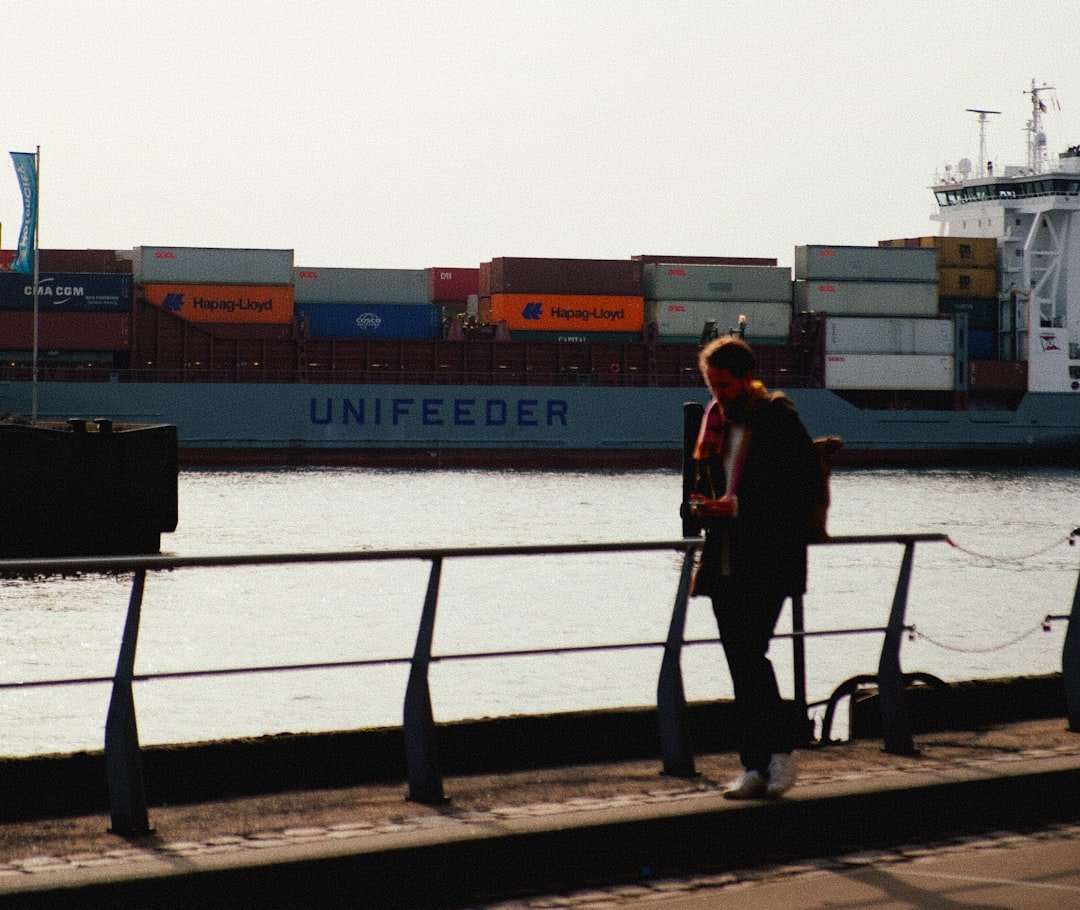
The International Maritime Dangerous Goods (IMDG) Code is a regulatory framework developed by the International Maritime Organization (IMO) that governs the safe transportation of hazardous materials by sea. The code establishes mandatory standards and procedures to protect vessel crews, passengers, marine ecosystems, and coastal populations from the risks associated with dangerous cargo transport. The IMDG Code specifies classification systems, packaging requirements, labeling standards, stowage procedures, and emergency response protocols for hazardous materials.
These regulations apply to all vessels carrying dangerous goods in international waters and provide uniform safety standards across different maritime jurisdictions. Maritime transport accounts for approximately 90% of global trade by volume, with hazardous materials representing a significant portion of seaborne cargo. The IMDG Code addresses the inherent risks of transporting chemicals, flammable substances, explosives, radioactive materials, and other dangerous goods across international waters.
Implementation of these regulations reduces the probability of maritime accidents, environmental contamination, and cargo-related incidents that could disrupt global supply chains. Compliance with the IMDG Code is mandatory for shipping companies, port operators, cargo handlers, and maritime authorities. The code undergoes regular updates to incorporate new scientific knowledge, technological advances, and lessons learned from maritime incidents, ensuring that safety standards evolve with changing industry practices and emerging hazards.
For comprehensive training on maritime dangerous goods, consider enrolling in IMDG courses.
Key Takeaways
- The IMDG Code is essential for the safe transport of dangerous goods by sea.
- Proper training and certification ensure compliance with IMDG regulations.
- Packaging, labeling, and stowage guidelines minimize risks during maritime transport.
- Emergency response planning and risk management are critical for handling incidents.
- Ongoing collaboration and adaptation address future challenges in maritime safety.
Understanding the Fundamentals of the IMDG Code
At its core, the IMDG Code is structured around a series of classifications that categorize dangerous goods based on their properties and potential hazards. These classifications include flammable liquids, toxic substances, corrosive materials, and explosives, among others. Each category has specific requirements regarding packaging, labeling, and handling to ensure that these goods are transported safely.
Understanding these classifications is essential for anyone involved in the shipping industry, as it lays the groundwork for compliance with the code. Moreover, the IMDG Code is regularly updated to reflect new scientific knowledge and technological advancements. This dynamic nature ensures that the regulations remain relevant and effective in addressing emerging risks associated with hazardous materials.
Stakeholders must stay informed about these updates to maintain compliance and ensure the safety of their operations. By fostering a culture of continuous learning and adaptation, the maritime industry can better navigate the complexities of transporting dangerous goods.
Importance of Protecting Maritime Transport
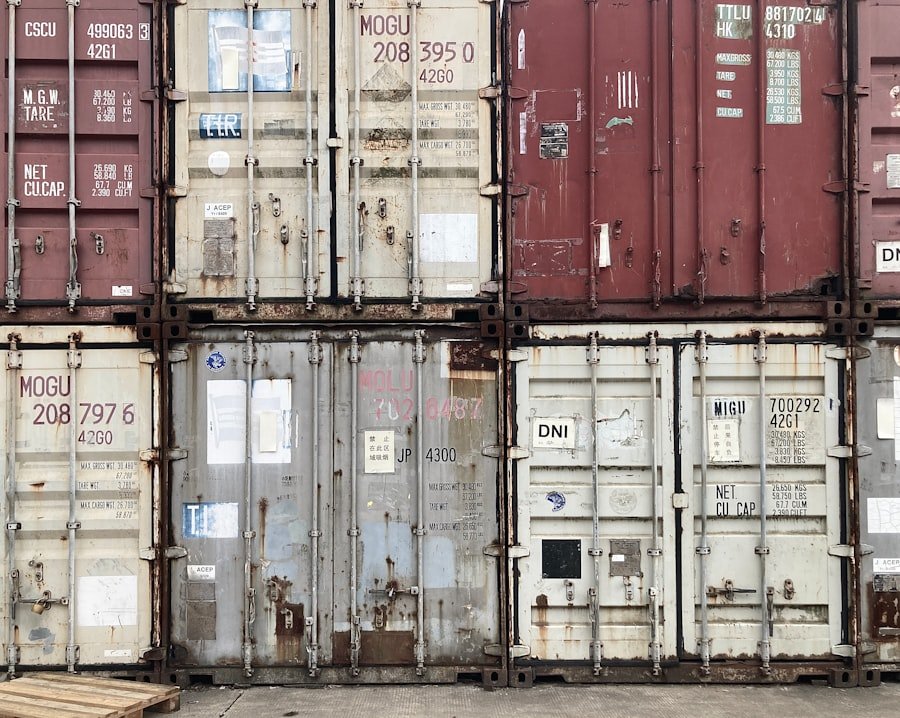
The protection of maritime transport is paramount for several reasons. First and foremost, the safety of human life is at stake. Accidents involving dangerous goods can lead to catastrophic consequences, including loss of life, injuries, and environmental disasters.
By adhering to the IMDG Code, stakeholders can significantly reduce the likelihood of such incidents occurring, thereby safeguarding both crew members and passengers. In addition to protecting human life, the IMDG Code plays a crucial role in preserving marine ecosystems. The oceans are home to diverse species and delicate habitats that can be severely impacted by spills or accidents involving hazardous materials.
By implementing stringent regulations for the transport of dangerous goods, the IMDG Code helps mitigate environmental risks and promotes sustainable practices within the maritime industry. This commitment to environmental stewardship is essential for maintaining the health of our oceans for future generations.
Key Regulations and Requirements of the IMDG Code
The IMDG Code encompasses a wide range of regulations and requirements that govern various aspects of transporting dangerous goods by sea. One of the key components is the proper classification of hazardous materials. Shippers must accurately identify and categorize their goods according to the code’s guidelines to ensure appropriate handling and stowage.
This classification process is critical for determining the necessary precautions and emergency response measures that must be in place during transport. Another important aspect of the IMDG Code is its emphasis on packaging standards. The code specifies that dangerous goods must be packaged in containers that are designed to withstand the rigors of maritime transport while preventing leaks or spills.
These packaging requirements vary depending on the type of material being transported, with stricter standards applied to more hazardous substances. Compliance with these packaging regulations is essential for minimizing risks during transit and ensuring that goods arrive at their destination safely.
Training and Certification for IMDG Code Compliance
| Aspect | Description | Key Metric/Standard | Purpose |
|---|---|---|---|
| IMDG Code | International Maritime Dangerous Goods Code | Mandatory for all ships carrying dangerous goods | Ensures safe transportation of hazardous materials by sea |
| Classification | Categorization of dangerous goods into 9 classes | Classes 1 to 9 (e.g., explosives, gases, flammable liquids) | Identifies hazards and handling requirements |
| Packaging | Standards for packaging dangerous goods | UN packaging codes and performance tests | Prevents leakage and accidents during transport |
| Labeling and Marking | Use of hazard labels and proper markings | Labels per class and subsidiary risk | Provides visual hazard identification |
| Documentation | Shipping papers and declarations | Dangerous Goods Declaration (DGD) | Ensures proper communication of hazards |
| Stowage and Segregation | Rules for placement of dangerous goods on board | Segregation tables and stowage categories | Prevents dangerous interactions and accidents |
| Emergency Response | Procedures for incidents involving dangerous goods | Emergency schedules and contact info | Minimizes impact of accidents |
| Training | Mandatory training for personnel handling dangerous goods | IMDG Code training certification | Ensures competence and compliance |
To ensure compliance with the IMDG Code, training and certification are essential components for all personnel involved in the transport of dangerous goods. This training equips individuals with the knowledge and skills necessary to handle hazardous materials safely and effectively. It covers various topics, including classification, packaging, labeling, and emergency response procedures.
By investing in comprehensive training programs, organizations can foster a culture of safety and accountability within their operations. Certification programs are also available for individuals seeking to demonstrate their expertise in IMDG Code compliance. These certifications validate an individual’s understanding of the code’s requirements and their ability to apply them in real-world scenarios.
By encouraging employees to pursue certification, companies not only enhance their operational safety but also improve their overall reputation within the industry. A well-trained workforce is better equipped to navigate challenges associated with transporting dangerous goods, ultimately leading to more efficient and secure maritime operations.
Packaging and Labeling Guidelines for Maritime Transport
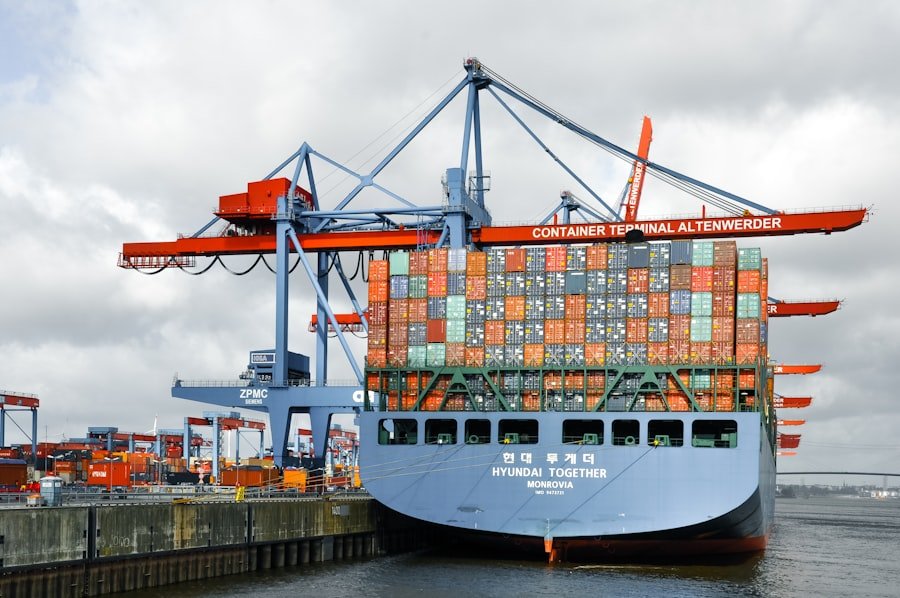
Packaging and labeling are critical elements of the IMDG Code that directly impact safety during maritime transport. The code outlines specific guidelines for packaging dangerous goods to ensure they are securely contained and protected from external factors that could compromise their integrity. For instance, containers must be robust enough to withstand potential impacts during loading and unloading processes while also being resistant to environmental conditions such as moisture or temperature fluctuations.
Labeling is equally important, as it provides essential information about the contents of each package. The IMDG Code mandates that all dangerous goods be clearly labeled with appropriate hazard symbols and information regarding handling precautions. This labeling serves as a visual cue for personnel involved in loading, unloading, and transporting these materials, helping them recognize potential hazards quickly.
Proper packaging and labeling not only enhance safety but also facilitate compliance with international regulations, ensuring smooth operations across borders.
Handling and Stowage of Dangerous Goods on Ships
The handling and stowage of dangerous goods on ships require meticulous attention to detail to prevent accidents during transit. The IMDG Code provides specific guidelines on how these materials should be loaded onto vessels, emphasizing the importance of segregation based on their hazard classifications. For example, incompatible substances must be stored separately to avoid reactions that could lead to fires or explosions.
Additionally, stowage plans must be developed to optimize space while ensuring safety. These plans outline where each type of dangerous good should be placed within the vessel, taking into account factors such as weight distribution and accessibility in case of emergencies. Proper handling techniques are also crucial; personnel must be trained in safe lifting practices and use appropriate equipment when moving hazardous materials.
By adhering to these guidelines, shipping companies can significantly reduce risks associated with transporting dangerous goods.
Emergency Response and Contingency Planning for Maritime Transport
Despite rigorous safety measures, emergencies can still occur during maritime transport. Therefore, having a robust emergency response plan is essential for mitigating potential consequences in case of an incident involving dangerous goods. The IMDG Code emphasizes the need for contingency planning that outlines procedures for various scenarios, including spills, leaks, or fires.
Training personnel in emergency response protocols is a critical aspect of this planning process. Crew members must be familiar with evacuation procedures, firefighting techniques, and containment measures specific to hazardous materials they may encounter during transport. Regular drills should be conducted to ensure that everyone knows their roles in an emergency situation.
By preparing for potential crises proactively, shipping companies can minimize damage and protect both human life and the environment.
Risk Assessment and Management in Maritime Transport
Risk assessment is a fundamental component of effective maritime transport operations involving dangerous goods. The IMDG Code encourages stakeholders to conduct thorough risk assessments to identify potential hazards associated with transporting specific materials. This process involves evaluating factors such as the nature of the goods being transported, environmental conditions during transit, and potential human factors that could contribute to accidents.
Once risks have been identified, management strategies must be developed to mitigate them effectively. This may include implementing additional safety measures, enhancing training programs for personnel, or investing in more robust packaging solutions. Continuous monitoring and review of risk management practices are essential for adapting to changing circumstances within the maritime industry.
By prioritizing risk assessment and management, stakeholders can create safer transport environments for hazardous materials.
Collaboration and Communication in the Maritime Industry
Collaboration among various stakeholders in the maritime industry is vital for ensuring compliance with the IMDG Code and enhancing overall safety during transport operations. Effective communication between shipping companies, port authorities, regulatory agencies, and other relevant parties fosters a shared understanding of responsibilities related to handling dangerous goods. Regular meetings and information-sharing initiatives can help identify best practices and address common challenges faced by industry players.
Additionally, leveraging technology such as digital platforms can streamline communication processes, allowing stakeholders to access real-time information regarding shipments and potential hazards quickly. By working together collaboratively, stakeholders can create a more cohesive approach to managing dangerous goods transportation while ensuring compliance with international regulations.
Future Developments and Challenges in IMDG Code Compliance
As global trade continues to evolve, so too will the challenges associated with IMDG Code compliance. Emerging technologies such as automation and digitalization present both opportunities and obstacles for stakeholders involved in transporting dangerous goods by sea. While these advancements can enhance efficiency and safety measures, they also require ongoing adaptation to ensure compliance with existing regulations.
Furthermore, increasing environmental concerns may lead to stricter regulations regarding hazardous materials transportation in the future. Stakeholders must remain vigilant in monitoring developments within regulatory frameworks while proactively addressing potential challenges related to compliance. By fostering a culture of innovation alongside adherence to established guidelines like those outlined in the IMDG Code, the maritime industry can navigate future complexities while prioritizing safety and sustainability in its operations.
In conclusion, adherence to the IMDG Code is essential for ensuring safe maritime transport of dangerous goods. Through understanding its fundamentals, implementing key regulations, providing training opportunities, following packaging guidelines, managing risks effectively, fostering collaboration among stakeholders, and preparing for future challenges—stakeholders can contribute significantly towards creating a safer maritime environment for all involved parties while protecting our oceans from potential harm caused by hazardous materials transportation.
In understanding the fundamentals of the IMDG Code and its role in protecting maritime transport, it is also beneficial to explore the various tools available for enhancing compliance and safety. One such resource is the WPWBot Mobile App, which provides users with essential information and guidance related to the IMDG Code, making it easier for maritime professionals to stay informed and compliant while on the go.
