
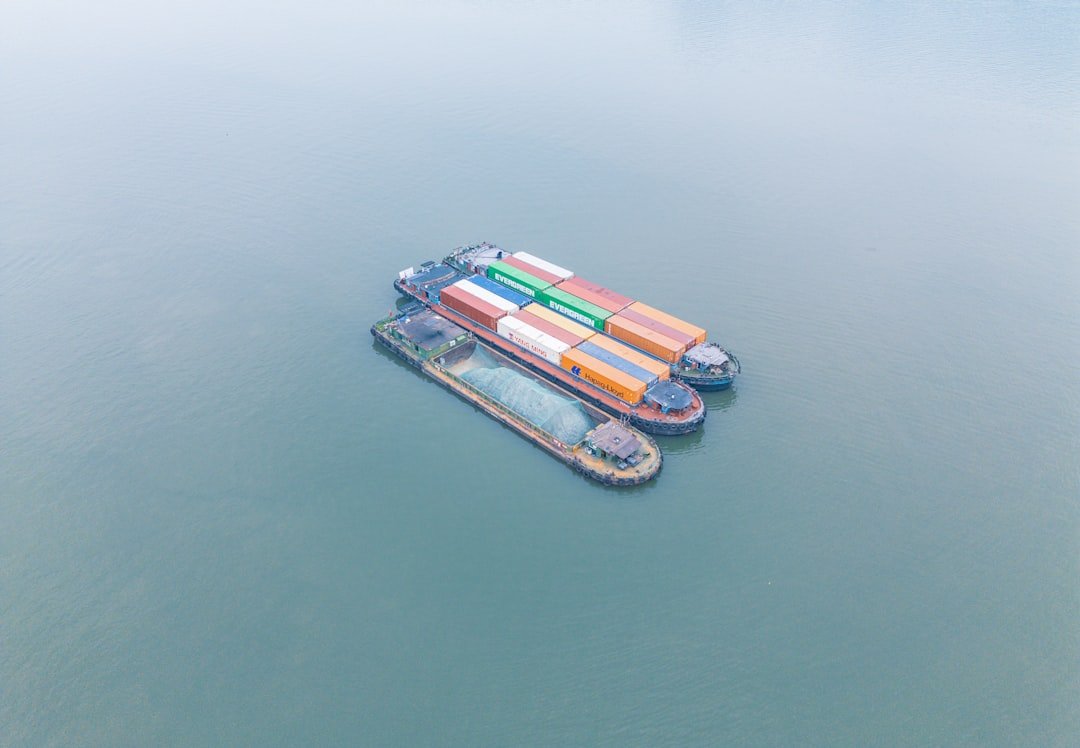
The International Maritime Dangerous Goods (IMDG) Code serves as a critical framework for the safe transport of hazardous materials by sea. Established by the International Maritime Organization (IMO), this code provides comprehensive guidelines that ensure the protection of human life, property, and the marine environment. The IMDG Code categorizes dangerous goods into various classes based on their specific hazards, such as flammability, toxicity, and corrosiveness. This classification system is essential for shipping companies, port authorities, and regulatory bodies to manage risks effectively and ensure compliance with international standards.
Moreover, the IMDG Code is not static; it undergoes regular updates to reflect advancements in safety practices and emerging risks associated with hazardous materials. These updates are crucial for keeping pace with the evolving landscape of global trade and environmental concerns. By adhering to the IMDG Code, stakeholders in the shipping industry can mitigate potential dangers associated with transporting hazardous goods, thereby fostering a safer maritime environment. Understanding the nuances of this code is vital for anyone involved in the shipping of dangerous goods, as it lays the groundwork for safe practices and regulatory compliance.
For those interested in enhancing their knowledge of safe shipping practices, the article on the IMDG Course mobile app provides valuable insights and resources. This app is designed to assist professionals in navigating the complexities of the International Maritime Dangerous Goods (IMDG) Code, ensuring compliance and safety in the transport of hazardous materials. To learn more about this useful tool, you can read the article here: IMDG Course Mobile App.
Key Takeaways
- The IMDG Code provides essential guidelines for the safe transport of hazardous materials by sea.
- Proper identification, classification, packaging, and labeling are critical to prevent accidents during shipping.
- Comprehensive training and certification ensure personnel are equipped to handle dangerous goods safely.
- Emergency response planning and risk management are vital to mitigate incidents involving hazardous materials.
- Ongoing compliance, environmental protection, and technological advancements support continuous improvement in maritime safety.
Identifying and Classifying Hazards for Safe Shipping
Identifying and classifying hazards is a fundamental step in ensuring the safe shipping of dangerous goods. The IMDG Code outlines specific criteria for categorizing materials based on their inherent risks. This classification process involves evaluating the physical and chemical properties of substances, which helps determine their potential hazards during transport. For instance, flammable liquids are classified differently from corrosive substances, each requiring tailored handling procedures to minimize risks.
In addition to classification, proper identification of hazardous materials is essential for effective communication among all parties involved in the shipping process. Accurate labeling and documentation are critical components that facilitate the safe handling of these materials. When hazards are clearly identified and classified, it allows for appropriate safety measures to be implemented, reducing the likelihood of accidents or incidents during transit. This proactive approach not only protects personnel but also safeguards the environment from potential contamination or damage.
Regulations and Guidelines for Handling Hazardous Materials
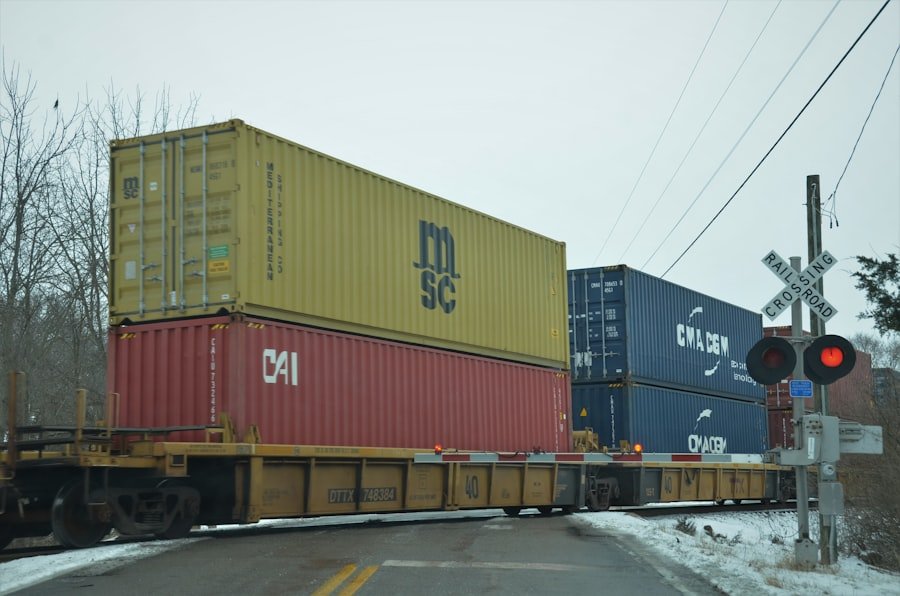
The handling of hazardous materials is governed by a complex web of regulations and guidelines designed to ensure safety throughout the shipping process. These regulations are established by various national and international bodies, including the IMO, Occupational Safety and Health Administration (OSHA), and Environmental Protection Agency (EPA). Each organization plays a vital role in creating standards that address different aspects of hazardous material handling, from packaging requirements to emergency response protocols.
Compliance with these regulations is not merely a legal obligation; it is a moral imperative that underscores the responsibility of shippers to protect their employees, customers, and the environment. Organizations must implement robust training programs to ensure that all personnel involved in handling hazardous materials are well-versed in these regulations. Regular audits and inspections can further reinforce compliance, helping to identify potential gaps in safety practices and allowing for timely corrective actions. By adhering to established guidelines, companies can significantly reduce the risk of accidents and enhance their overall operational efficiency.
Importance of Proper Packaging and Labeling for Safe Shipping
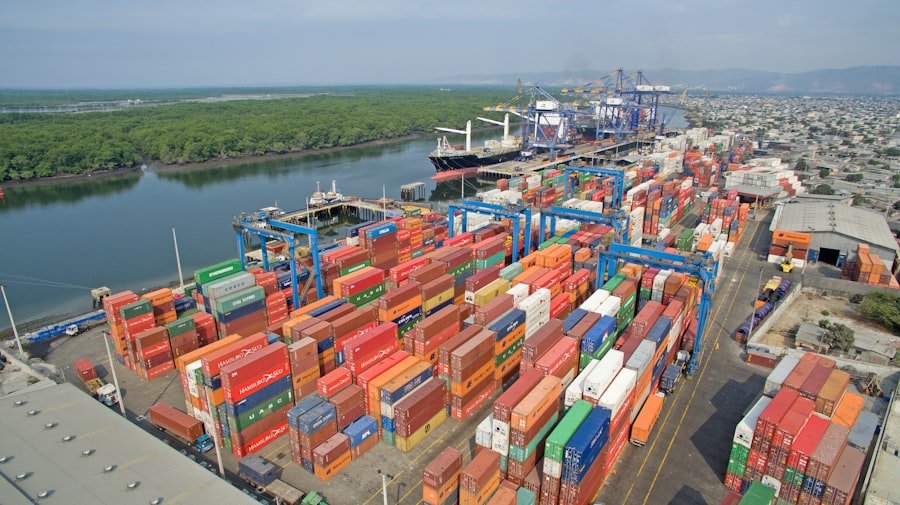
Proper packaging and labeling are paramount in the safe shipping of hazardous materials. The IMDG Code specifies stringent requirements for packaging that must be followed to prevent leaks, spills, or other incidents during transit. Packaging must be designed to withstand various environmental conditions, including temperature fluctuations and physical impacts. Additionally, it should be compatible with the contents to avoid chemical reactions that could lead to dangerous situations.
Labeling is equally important as it provides critical information about the nature of the hazardous material contained within. Clear and accurate labels help ensure that everyone involved in the shipping process understands the risks associated with the materials being transported. This includes not only those directly handling the goods but also emergency responders who may need to act quickly in case of an incident. By prioritizing proper packaging and labeling, companies can significantly enhance safety measures and reduce the likelihood of accidents during transportation.
For those interested in enhancing their knowledge of safe shipping practices, a related article on effective hazard management can provide valuable insights. This resource delves into the importance of proper training and compliance with international regulations, which is essential for anyone involved in the transportation of dangerous goods. To learn more about this topic and how it relates to the IMDG course, feel free to explore the information available on the contact page.
Handling and Storing Hazardous Materials Safely
| Module | Duration (hours) | Key Topics Covered | Assessment Type | Passing Criteria (%) |
|---|---|---|---|---|
| Introduction to IMDG Code | 2 | Overview of IMDG, Importance of Safe Shipping | Quiz | 80 |
| Classification of Dangerous Goods | 3 | Hazard Classes, Identification, Labeling | Written Test | 85 |
| Packing and Marking | 2.5 | Packing Instructions, Marking Requirements | Practical Exercise | 90 |
| Documentation and Emergency Procedures | 3 | Shipping Papers, Emergency Response | Case Study | 85 |
| Handling and Stowage | 2 | Safe Handling, Segregation, Stowage Rules | Practical Assessment | 90 |
| Final Examination | 1.5 | Comprehensive Course Review | Written Exam | 85 |
The safe handling and storage of hazardous materials require meticulous attention to detail and adherence to established protocols. Organizations must develop comprehensive procedures that outline how hazardous materials should be managed at every stage—from receipt to storage and eventual shipping. This includes implementing safety measures such as using appropriate personal protective equipment (PPE), conducting regular inspections of storage areas, and ensuring proper ventilation in storage facilities.
Moreover, training employees on safe handling practices is crucial for minimizing risks associated with hazardous materials. Workers should be educated about potential hazards, emergency procedures, and the importance of following established protocols. Regular drills can help reinforce this training, ensuring that employees are prepared to respond effectively in case of an emergency. By fostering a culture of safety and accountability, organizations can create an environment where hazardous materials are handled with care, significantly reducing the risk of accidents or incidents.
Emergency Response and Contingency Planning for Hazardous Incidents
For comprehensive training on maritime dangerous goods, consider enrolling in IMDG courses.
In any operation involving hazardous materials, having a robust emergency response plan is essential for mitigating risks associated with potential incidents. Such plans should outline clear procedures for responding to various scenarios, including spills, leaks, or fires involving dangerous goods. The IMDG Code emphasizes the importance of preparedness, urging organizations to develop contingency plans that address specific risks associated with their operations.
Training employees on emergency response procedures is a critical component of effective contingency planning. Regular drills should be conducted to ensure that all personnel are familiar with their roles during an emergency situation. Additionally, organizations should establish communication protocols that facilitate quick reporting and coordination with local authorities or emergency services when necessary. By prioritizing emergency preparedness, companies can minimize the impact of hazardous incidents on both personnel and the environment.
Training and Certification for IMDG Course
Training and certification play a pivotal role in ensuring compliance with the IMDG Code and enhancing safety in the shipping of hazardous materials. Organizations must invest in comprehensive training programs that cover all aspects of hazardous material handling, including classification, packaging, labeling, and emergency response procedures. These programs should be tailored to meet the specific needs of employees based on their roles within the organization.
Certification courses related to the IMDG Code provide individuals with a thorough understanding of regulatory requirements and best practices for safe shipping. Participants learn about hazard identification, risk assessment, and compliance measures necessary for transporting dangerous goods by sea. By equipping employees with this knowledge, organizations can foster a culture of safety while ensuring adherence to international standards. Continuous education and recertification are also essential to keep pace with evolving regulations and industry practices.
Risk Assessment and Management in Safe Shipping
Risk assessment is a fundamental component of safe shipping practices for hazardous materials. Organizations must conduct thorough evaluations to identify potential hazards associated with their operations and develop strategies to mitigate these risks effectively. This process involves analyzing various factors such as material properties, transportation routes, and environmental conditions that could impact safety during transit.
Once risks have been identified, organizations can implement management strategies that prioritize safety while maintaining operational efficiency. This may include modifying shipping routes to avoid populated areas or implementing additional safety measures during loading and unloading processes. Regular reviews of risk assessments are essential to adapt to changing circumstances or new information regarding hazardous materials. By proactively managing risks associated with shipping dangerous goods, organizations can significantly enhance safety outcomes while minimizing potential liabilities.
Environmental Protection and Hazardous Material Disposal
Environmental protection is a critical consideration when dealing with hazardous materials, particularly regarding their disposal. Improper disposal can lead to severe environmental consequences, including soil contamination, water pollution, and harm to wildlife. Organizations must adhere to strict regulations governing the disposal of hazardous waste as outlined by local and international authorities.
Implementing environmentally responsible disposal practices not only ensures compliance but also demonstrates a commitment to sustainability. Companies should explore options such as recycling or reusing materials whenever possible to minimize waste generation. Additionally, partnering with certified waste disposal companies can help ensure that hazardous materials are handled appropriately throughout their lifecycle. By prioritizing environmental protection in their operations, organizations contribute to a safer planet while safeguarding public health.
Role of Technology in Ensuring Safe Shipping of Hazardous Materials
Technology plays an increasingly vital role in enhancing safety during the shipping of hazardous materials. Advanced tracking systems allow organizations to monitor shipments in real-time, providing valuable data on location and condition throughout transit. This information can be crucial for identifying potential issues before they escalate into serious incidents.
Furthermore, technology can facilitate better communication among stakeholders involved in the shipping process. Digital platforms enable seamless sharing of information related to hazardous materials, including safety data sheets (SDS) and compliance documentation. Automation tools can streamline processes such as labeling and documentation, reducing human error while improving efficiency. By leveraging technology effectively, organizations can enhance safety measures while optimizing their operations in transporting dangerous goods.
Continuous Improvement and Compliance with IMDG Regulations
Continuous improvement is essential for maintaining compliance with IMDG regulations and ensuring safe shipping practices for hazardous materials. Organizations must regularly review their policies and procedures to identify areas for enhancement based on evolving industry standards or regulatory changes. This proactive approach fosters a culture of safety where employees are encouraged to contribute ideas for improving practices related to hazardous material handling.
Additionally, conducting regular audits can help organizations assess their compliance status while identifying potential gaps in safety measures or training programs. Engaging employees in these audits promotes accountability while reinforcing the importance of adhering to established protocols. By committing to continuous improvement efforts, organizations not only enhance their operational efficiency but also contribute positively to overall safety within the maritime industry.
In conclusion, navigating the complexities associated with transporting hazardous materials requires a comprehensive understanding of regulations like the IMDG Code alongside effective risk management strategies. By prioritizing safety through proper training, packaging, labeling, emergency preparedness planning, environmental protection efforts, technological advancements, and continuous improvement initiatives—organizations can significantly mitigate risks while ensuring compliance within this critical sector of global trade.
