
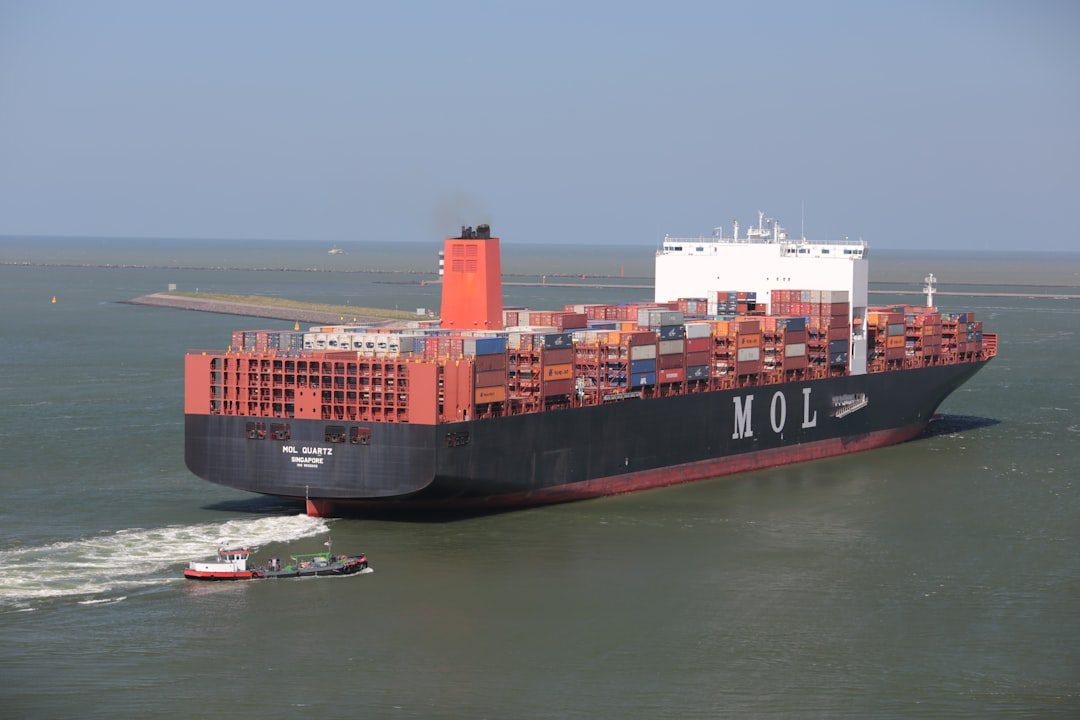
The International Maritime Dangerous Goods (IMDG) Code serves as a critical framework for the safe transportation of hazardous materials by sea. Established by the International Maritime Organization (IMO), the IMDG Code outlines the necessary guidelines and regulations that govern the classification, packaging, marking, and handling of dangerous goods. This comprehensive set of rules is designed to protect not only the crew and passengers aboard vessels but also the marine environment and coastal communities from the potential hazards posed by these materials. The IMDG Code is updated regularly to reflect advancements in safety practices and emerging risks, ensuring that it remains relevant in an ever-evolving global shipping landscape.
Understanding the IMDG regulations is essential for all stakeholders involved in maritime transport, including shippers, freight forwarders, and port authorities. Compliance with these regulations is not merely a legal obligation; it is a moral imperative that underscores the commitment to safety and environmental stewardship. By adhering to the IMDG Code, organizations can mitigate risks associated with the transportation of dangerous goods, thereby fostering a culture of safety that extends beyond individual companies to the entire maritime industry.
For those interested in enhancing their knowledge of dangerous goods handling, a related article can be found at IMDG Insights: Effective Dangerous Goods Handling. This resource provides valuable information on best practices, regulatory compliance, and safety measures essential for the safe transportation of hazardous materials.
Key Takeaways
- Understanding IMDG regulations is crucial for the safe transportation of dangerous goods
- Proper identification and classification of dangerous goods is essential for compliance with regulations
- Packaging and marking requirements must be strictly followed to ensure safe transportation
- Proper handling and stowage of dangerous goods is necessary to prevent accidents and spills
- Training and certification are important for personnel involved in handling dangerous goods
Identifying and Classifying Dangerous Goods
The identification and classification of dangerous goods are foundational steps in ensuring their safe transport. Dangerous goods are categorized into nine classes based on their inherent properties and the risks they pose. These classes range from explosives and gases to flammable liquids and toxic substances. Each class has specific criteria that must be met for proper classification, which is crucial for determining the appropriate handling and packaging requirements. For instance, Class 1 encompasses explosives, which are further divided into divisions based on their sensitivity and type, while Class 3 includes flammable liquids that can ignite easily under certain conditions.
Accurate identification and classification are not only vital for compliance with the IMDG Code but also for effective risk management. Misclassification can lead to severe consequences, including accidents during transport, environmental contamination, and legal repercussions. Therefore, organizations must invest in training personnel to recognize and classify dangerous goods accurately. This process often involves consulting safety data sheets (SDS) and other relevant documentation to ensure that all materials are correctly identified before they are loaded onto vessels.
Packaging and Marking Requirements for Dangerous Goods
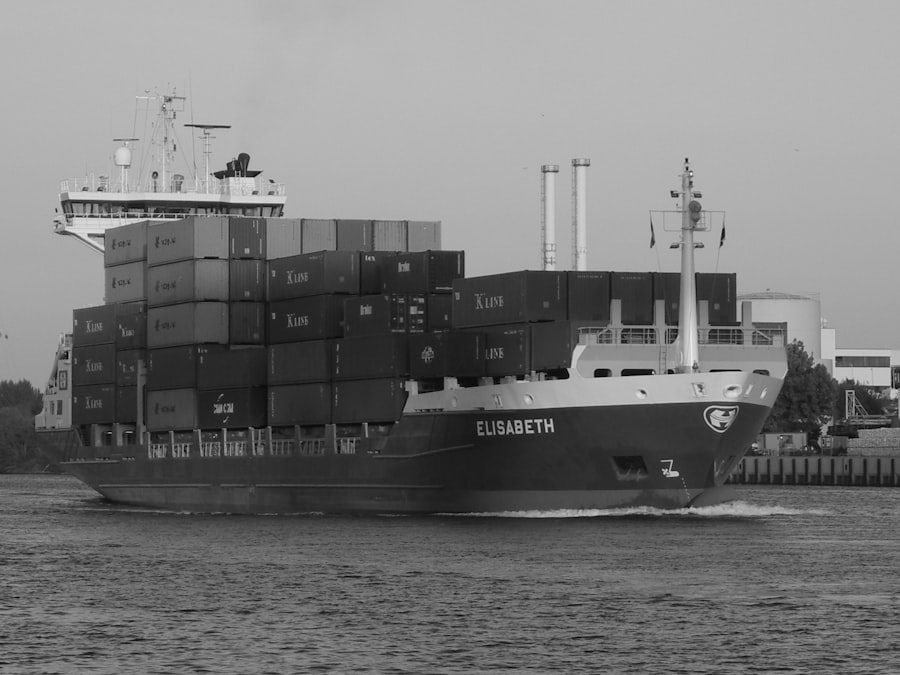
Packaging plays a pivotal role in the safe transport of dangerous goods, as it serves as the first line of defense against potential hazards. The IMDG Code stipulates stringent packaging requirements tailored to each class of dangerous goods. These requirements include specifications for container materials, design, and performance standards to withstand various conditions during transit. For example, flammable liquids must be packaged in containers that can prevent leakage and withstand pressure changes, while corrosive substances require packaging that can resist chemical reactions.
In addition to packaging standards, proper marking is essential for ensuring that all personnel involved in the transport process are aware of the nature of the goods being handled. The IMDG Code mandates specific labeling practices, including hazard symbols, UN numbers, and handling instructions. These markings must be clearly visible and legible to facilitate quick identification in case of emergencies. By adhering to these packaging and marking requirements, organizations can significantly reduce the risk of accidents and enhance overall safety during the transportation of dangerous goods.
Proper Handling and Stowage of Dangerous Goods
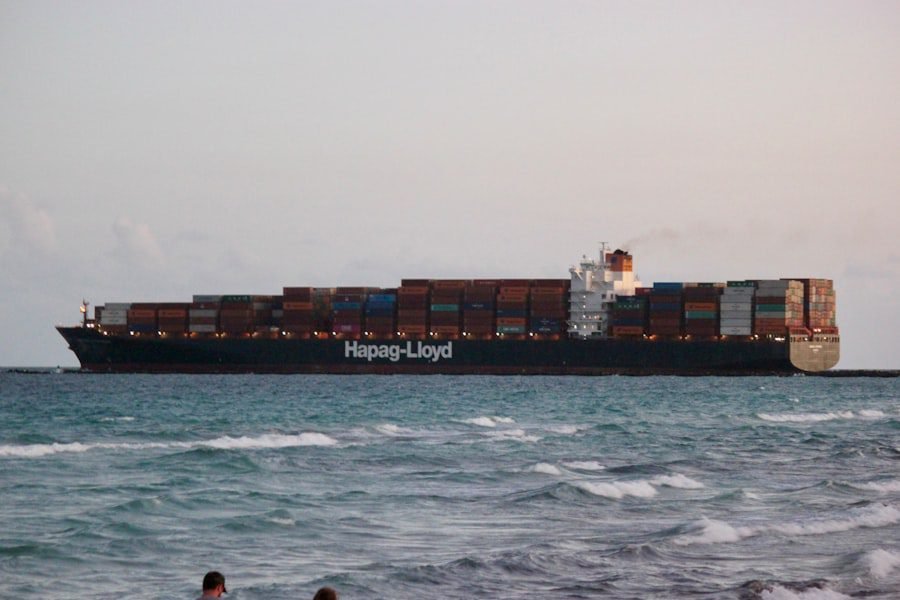
The handling and stowage of dangerous goods require meticulous attention to detail to prevent accidents and ensure compliance with safety regulations. Proper handling involves training personnel to recognize hazards associated with different types of dangerous goods and implementing standard operating procedures (SOPs) that prioritize safety. This includes using appropriate personal protective equipment (PPE), following correct lifting techniques, and employing specialized equipment designed for handling hazardous materials.
Stowage is equally critical, as it involves strategically placing dangerous goods within a vessel to minimize risks during transit. The IMDG Code provides guidelines on segregation requirements, which dictate how different classes of dangerous goods should be stored relative to one another. For instance, incompatible substances must be kept apart to prevent reactions that could lead to fires or explosions. Additionally, stowage plans should account for factors such as weight distribution and access routes for emergency response teams. By prioritizing proper handling and stowage practices, organizations can create a safer environment for both personnel and cargo.
For those interested in enhancing their knowledge about the safe transportation of hazardous materials, the article on IMDG Insights offers valuable guidance on effective dangerous goods handling. You can explore more about this topic in detail by visiting the IMDG course page, which provides comprehensive resources and training opportunities to ensure compliance and safety in the shipping industry.
Training and Certification for Handling Dangerous Goods
| Metrics | Data |
|---|---|
| Number of Dangerous Goods Handled | 500 |
| Incidents Reported | 10 |
| Training Hours on Dangerous Goods Handling | 100 |
| Compliance Rate | 95% |
Training and certification are indispensable components of a robust safety culture in the transportation of dangerous goods. The IMDG Code emphasizes the need for personnel involved in the handling of hazardous materials to receive comprehensive training tailored to their specific roles. This training should cover various aspects, including identification and classification of dangerous goods, packaging requirements, emergency response procedures, and regulatory compliance.
Certification programs play a crucial role in ensuring that individuals possess the necessary knowledge and skills to handle dangerous goods safely. These programs often include theoretical components as well as practical exercises that simulate real-world scenarios. By investing in ongoing training and certification for employees, organizations can foster a workforce that is well-equipped to manage the complexities associated with dangerous goods transportation. This commitment not only enhances safety but also builds trust with clients and regulatory bodies.
Emergency Response and Contingency Planning for Dangerous Goods
I highly recommend checking out the IMDG courses for comprehensive training in sea transport of dangerous goods.
In the event of an incident involving dangerous goods, having a well-defined emergency response plan is essential for minimizing harm to people, property, and the environment. The IMDG Code requires organizations to develop contingency plans that outline procedures for responding to various emergencies, such as spills, leaks, or fires involving hazardous materials. These plans should include clear communication protocols, designated roles for response teams, and procedures for notifying relevant authorities.
Effective emergency response planning also involves conducting regular drills and simulations to ensure that personnel are familiar with their roles during an incident. These exercises help identify potential gaps in response strategies and provide opportunities for continuous improvement. By prioritizing emergency response preparedness, organizations can significantly reduce the impact of accidents involving dangerous goods and demonstrate their commitment to safety.
Documentation and Reporting for Dangerous Goods Transportation
Accurate documentation is a cornerstone of compliance with IMDG regulations when transporting dangerous goods. The IMDG Code mandates specific documentation requirements that must be fulfilled before loading hazardous materials onto vessels. This includes preparing a Dangerous Goods Declaration (DGD), which provides essential information about the nature of the goods being transported, their classification, packaging details, and emergency contact information.
In addition to the DGD, organizations must maintain comprehensive records related to the transportation of dangerous goods. This documentation serves multiple purposes: it ensures compliance with regulatory requirements, facilitates communication among stakeholders, and provides a reference point in case of incidents or inspections. By implementing robust documentation practices, organizations can enhance transparency in their operations while minimizing legal risks associated with non-compliance.
Risk Assessment and Management for Dangerous Goods Handling
Risk assessment is a critical process in managing the hazards associated with dangerous goods handling. Organizations must conduct thorough assessments to identify potential risks throughout the supply chain—from storage facilities to transportation routes. This involves evaluating factors such as the nature of the goods being transported, environmental conditions, and potential human factors that could contribute to accidents.
Once risks have been identified, organizations can implement risk management strategies tailored to mitigate those hazards effectively. This may include investing in specialized equipment, enhancing training programs, or revising standard operating procedures (SOPs). By adopting a proactive approach to risk assessment and management, organizations can create safer working environments while ensuring compliance with IMDG regulations.
Compliance and Enforcement of IMDG Regulations
Compliance with IMDG regulations is not merely a matter of adhering to legal requirements; it reflects an organization’s commitment to safety and environmental responsibility. Regulatory bodies around the world enforce these regulations through inspections, audits, and penalties for non-compliance. Organizations found in violation of IMDG regulations may face significant fines or legal repercussions that can damage their reputation.
To ensure compliance, organizations must stay informed about updates to the IMDG Code and engage in continuous improvement practices. This includes conducting regular internal audits to assess adherence to safety protocols and identifying areas for enhancement. By fostering a culture of compliance within their operations, organizations can not only avoid penalties but also build trust with clients and stakeholders who prioritize safety in their supply chains.
Technology and Innovation in Dangerous Goods Handling
The integration of technology into dangerous goods handling has revolutionized safety practices within the maritime industry. Innovations such as real-time tracking systems enable organizations to monitor shipments throughout their journey, providing valuable data on location, temperature fluctuations, and potential hazards. This information allows for timely interventions if issues arise during transport.
Moreover, advancements in automation have streamlined various processes related to dangerous goods handling. Automated systems can assist with inventory management, ensuring that hazardous materials are stored correctly according to IMDG regulations. Additionally, digital platforms facilitate better communication among stakeholders by providing access to essential documentation in real time. By embracing technology and innovation, organizations can enhance safety measures while improving operational efficiency.
Best Practices and Case Studies in IMDG Compliance and Dangerous Goods Handling
Implementing best practices in IMDG compliance is essential for organizations seeking to enhance their safety protocols when handling dangerous goods. One notable example is a global shipping company that adopted a comprehensive training program focused on hazard recognition and emergency response procedures. As a result of this initiative, the company reported a significant reduction in incidents involving hazardous materials during transport.
Another case study highlights a logistics provider that invested in advanced tracking technology for its shipments of dangerous goods. By utilizing real-time monitoring systems, they were able to identify potential risks early on and take corrective actions before incidents occurred. This proactive approach not only improved safety outcomes but also enhanced customer confidence in their services.
In conclusion, adherence to IMDG regulations is paramount for ensuring the safe transportation of dangerous goods by sea. By understanding these regulations thoroughly—alongside effective identification, classification, packaging, handling practices—organizations can foster a culture of safety that protects both people and the environment while navigating the complexities associated with hazardous materials transportation.
