
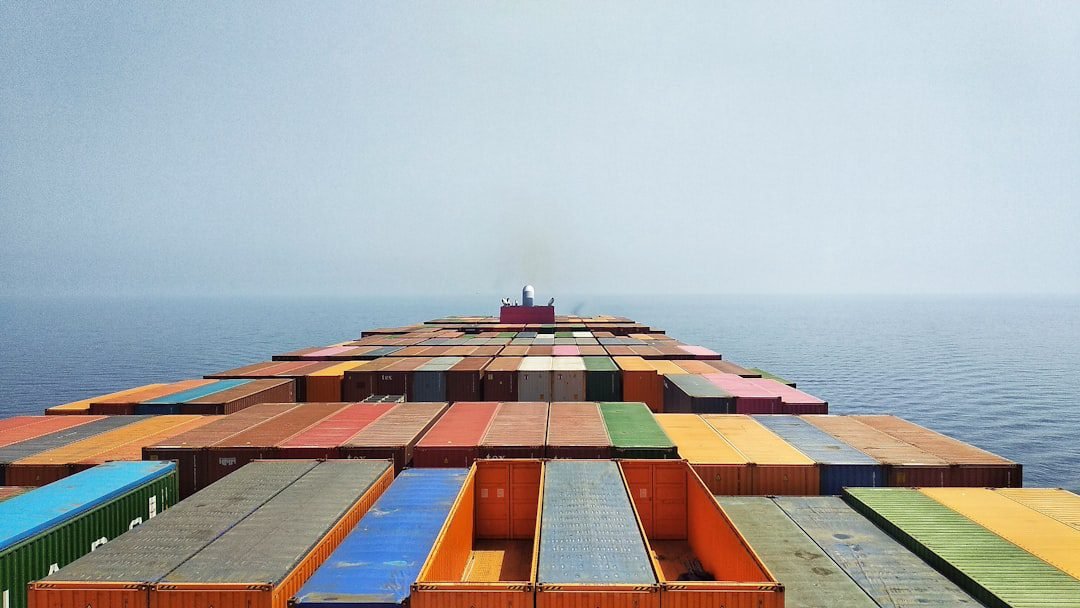
The International Maritime Dangerous Goods (IMDG) Code serves as a critical framework for the safe transport of hazardous materials by sea. Established by the International Maritime Organization (IMO), this code outlines the necessary precautions and procedures to mitigate risks associated with the shipping of dangerous goods. It encompasses a wide range of substances, including flammable liquids, toxic agents, and corrosive materials, all of which pose significant threats to human health and the environment if not handled properly. Understanding the IMDG Code is essential for anyone involved in the logistics and transportation of hazardous cargo, as it provides the guidelines necessary to ensure safety and compliance.
The IMDG Code is not merely a set of rules; it is a comprehensive system that integrates various aspects of maritime safety, environmental protection, and regulatory compliance. It categorizes hazardous materials into different classes based on their properties and potential risks, allowing shippers and carriers to identify the specific requirements for each type of cargo. This classification system is vital for ensuring that appropriate measures are taken during loading, transport, and unloading processes. By adhering to the IMDG Code, stakeholders can significantly reduce the likelihood of accidents and incidents that could have devastating consequences for both people and the planet.
For those looking to deepen their understanding of hazardous cargo regulations, the article “IMDG Expertise: Mastering Hazardous Cargo Rules” provides invaluable insights and guidance. It covers essential aspects of the International Maritime Dangerous Goods (IMDG) Code, ensuring that professionals are well-equipped to handle hazardous materials safely. To explore more resources related to this topic, you can visit the affiliate area at this link.
Key Takeaways
- Understanding the IMDG Code is crucial for handling hazardous cargo safely and in compliance with regulations.
- Expertise in IMDG compliance is essential for ensuring the safe transport of hazardous cargo.
- Navigating the complex regulations of IMDG requires specialized knowledge and training.
- Developing expertise in IMDG is necessary to ensure proper packaging, labeling, and handling of hazardous cargo.
- Training and certification in IMDG expertise is vital for those involved in handling hazardous cargo.
The Importance of Expertise in IMDG Compliance for Hazardous Cargo
Expertise in IMDG compliance is paramount for organizations involved in the transportation of hazardous cargo. The complexities of the IMDG Code require a deep understanding of its provisions, as well as the ability to interpret and apply them effectively. Without this expertise, companies risk non-compliance, which can lead to severe penalties, legal repercussions, and damage to their reputation. Moreover, improper handling of hazardous materials can result in catastrophic accidents, endangering lives and causing environmental disasters. Therefore, having knowledgeable personnel who are well-versed in IMDG regulations is not just beneficial; it is essential for operational integrity.
Furthermore, expertise in IMDG compliance fosters a culture of safety within organizations. When employees are trained and knowledgeable about the regulations governing hazardous cargo, they are more likely to prioritize safety in their daily operations. This proactive approach not only minimizes risks but also enhances overall efficiency in logistics and transportation processes. Companies that invest in developing IMDG expertise among their staff demonstrate a commitment to responsible practices, which can enhance their standing in the industry and build trust with clients and partners.
Navigating the Complex Regulations of IMDG for Hazardous Cargo
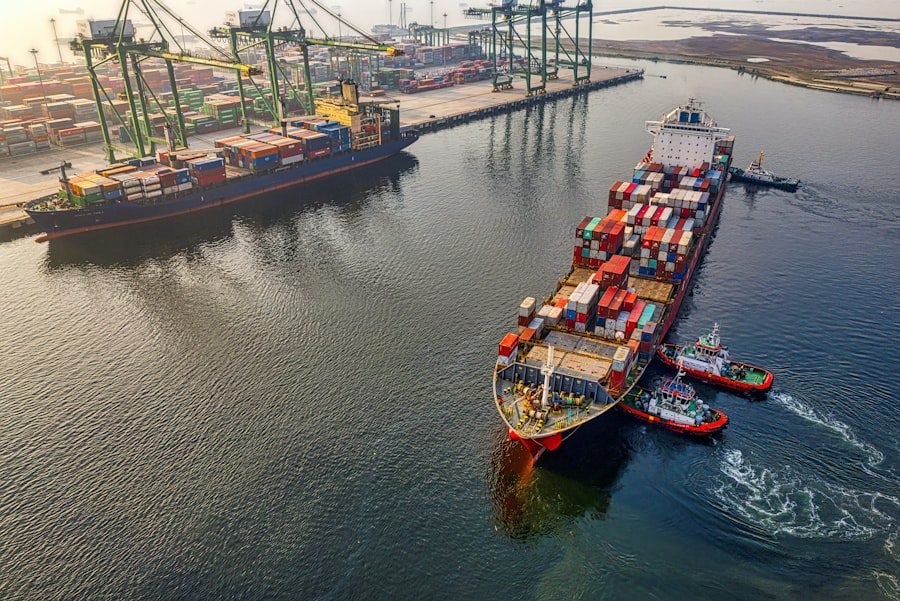
Navigating the intricate regulations of the IMDG Code can be a daunting task for many organizations. The code is continually updated to reflect new scientific findings, technological advancements, and emerging risks associated with hazardous materials. As such, staying abreast of these changes is crucial for compliance. Organizations must be vigilant in monitoring updates to the IMDG Code and adapting their practices accordingly. This requires not only a thorough understanding of the existing regulations but also an ability to anticipate future changes that may impact their operations.
Moreover, the complexity of the IMDG Code is compounded by the need for coordination among various stakeholders involved in the transportation process. From manufacturers and shippers to carriers and port authorities, each party plays a vital role in ensuring compliance with IMDG regulations. Effective communication and collaboration among these stakeholders are essential for successfully navigating the regulatory landscape. Organizations must establish clear lines of communication and foster relationships with all parties involved to ensure that everyone is aligned on compliance requirements and safety protocols.
Developing Expertise in IMDG to Ensure Safe Transport of Hazardous Cargo
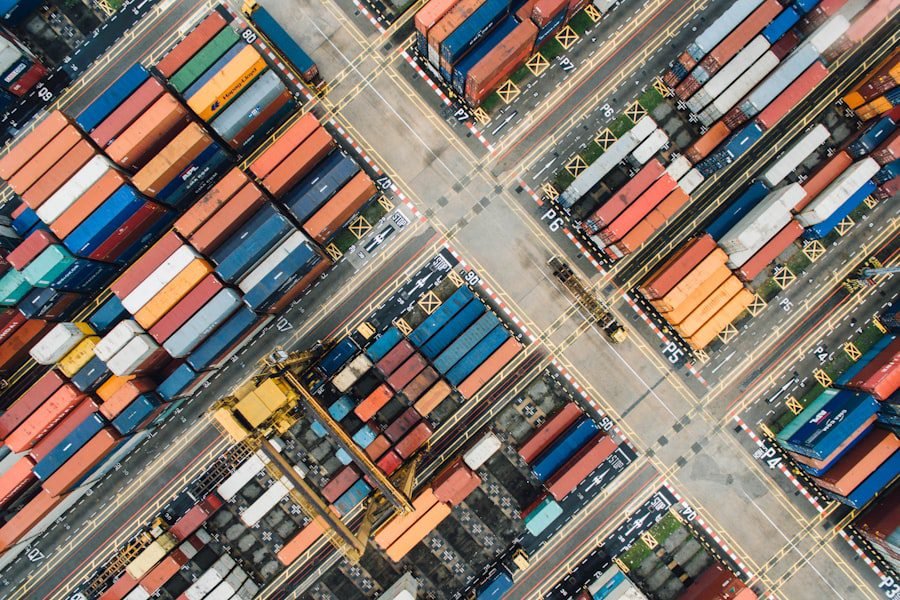
Developing expertise in IMDG is a multifaceted process that involves ongoing education and training. Organizations must prioritize continuous learning opportunities for their employees to keep them informed about the latest developments in hazardous cargo regulations. This can include workshops, seminars, and online courses focused on various aspects of the IMDG Code. By investing in their workforce’s knowledge base, companies can cultivate a team of experts capable of effectively managing hazardous materials throughout the shipping process.
Additionally, practical experience plays a crucial role in developing IMDG expertise. Employees should have opportunities to engage in hands-on training that simulates real-world scenarios involving hazardous cargo. This experiential learning approach allows individuals to apply theoretical knowledge in practical situations, reinforcing their understanding of compliance requirements and safety measures. By combining formal education with practical experience, organizations can ensure that their personnel are well-equipped to handle hazardous materials safely and efficiently.
For those looking to deepen their understanding of hazardous cargo regulations, the article on IMDG Expertise: Mastering Hazardous Cargo Rules provides valuable insights and practical guidance. Additionally, readers may find the related resource on the mobile app for IMDG courses particularly useful, as it offers convenient access to essential information and updates. You can explore this resource further by visiting this link.
Training and Certification in IMDG Expertise for Handling Hazardous Cargo
| IMDG Expertise Metrics | Value |
|---|---|
| Number of Hazardous Cargo Rules Mastered | 15 |
| Training Hours Completed | 40 |
| Number of Successful Hazardous Cargo Shipments | 100 |
| Compliance Rate | 98% |
Training and certification programs are vital components in building expertise in IMDG compliance for handling hazardous cargo. These programs provide individuals with the necessary knowledge and skills to navigate the complexities of the IMDG Code effectively. Certification not only validates an individual’s understanding of hazardous materials regulations but also enhances their credibility within the industry. Organizations that prioritize certification for their employees demonstrate a commitment to safety and compliance, which can significantly improve their operational standards.
Moreover, training programs should be tailored to meet the specific needs of different roles within an organization. For instance, personnel involved in packaging hazardous materials may require specialized training focused on proper packing techniques and labeling requirements. Conversely, those responsible for logistics and transportation may need training that emphasizes regulatory compliance during transit. By offering targeted training programs, organizations can ensure that all employees possess the relevant expertise needed to handle hazardous cargo safely.
For those looking to deepen their understanding of hazardous cargo regulations, a valuable resource is the article on IMDG Expertise, which provides insights into mastering the complexities of shipping dangerous goods. This comprehensive guide not only covers the essential rules but also highlights practical applications for professionals in the field. To explore this further, you can visit the IMDG course page for additional materials and training options that can enhance your expertise in handling hazardous cargo safely and efficiently.
Expertise in IMDG: Ensuring Proper Packaging and Labeling of Hazardous Cargo
I highly recommend checking out the IMDG courses for anyone involved in sea transport of dangerous goods.
Proper packaging and labeling are critical components of safely transporting hazardous cargo under the IMDG Code. Expertise in these areas ensures that materials are contained securely during transit, minimizing the risk of leaks or spills that could lead to dangerous situations. The IMDG Code specifies stringent requirements for packaging materials based on the type of hazardous substance being transported. Understanding these requirements is essential for ensuring compliance and safeguarding public health and safety.
Labeling is equally important as it provides vital information about the nature of the cargo being transported. Accurate labeling helps emergency responders quickly assess potential hazards in case of an incident during transport. Expertise in IMDG ensures that labels are not only compliant with regulatory standards but also clearly convey essential information such as handling instructions, hazard symbols, and emergency contact details. By prioritizing proper packaging and labeling practices, organizations can significantly reduce risks associated with transporting hazardous materials.
The Role of IMDG Expertise in Emergency Response for Hazardous Cargo Incidents
In the event of an incident involving hazardous cargo, having personnel with IMDG expertise is crucial for effective emergency response. Trained individuals can quickly assess the situation, identify potential hazards, and implement appropriate response measures to mitigate risks. Their knowledge of the IMDG Code enables them to communicate effectively with emergency responders, providing critical information about the nature of the cargo involved and any specific precautions that need to be taken.
Moreover, organizations with a strong foundation in IMDG expertise are better prepared to develop comprehensive emergency response plans tailored to their specific operations. These plans should outline procedures for responding to various scenarios involving hazardous materials, including spills, leaks, or accidents during transport. By incorporating IMDG guidelines into their emergency response strategies, organizations can enhance their preparedness and ensure a swift and effective response to any incidents involving hazardous cargo.
IMDG Expertise: Mitigating Risks and Ensuring Compliance for Hazardous Cargo
Mitigating risks associated with hazardous cargo requires a proactive approach grounded in IMDG expertise. Organizations must conduct thorough risk assessments to identify potential hazards related to their operations involving dangerous goods. This includes evaluating factors such as packaging integrity, transportation routes, and storage conditions. By understanding these risks, organizations can implement targeted measures to minimize potential dangers while ensuring compliance with regulatory requirements.
Furthermore, ongoing monitoring and evaluation are essential components of risk mitigation strategies. Organizations should regularly review their practices related to hazardous cargo handling to identify areas for improvement or adjustment based on changing regulations or emerging risks. By fostering a culture of continuous improvement rooted in IMDG expertise, organizations can enhance their ability to manage hazardous materials safely while maintaining compliance with international standards.
The Impact of IMDG Expertise on Global Trade of Hazardous Cargo
IMDG expertise plays a significant role in facilitating global trade involving hazardous cargo. As international shipping continues to expand, so does the need for effective regulation and compliance regarding dangerous goods transport. Organizations equipped with IMDG knowledge can navigate complex international regulations more efficiently, ensuring that their shipments meet all necessary requirements for safe transport across borders.
Moreover, having a strong foundation in IMDG compliance enhances an organization’s reputation within the global marketplace. Clients and partners are more likely to trust companies that demonstrate a commitment to safety and regulatory adherence when handling hazardous materials. This trust can lead to increased business opportunities and partnerships as organizations seek reliable partners capable of managing dangerous goods responsibly.
Challenges and Opportunities in Building Expertise in IMDG for Hazardous Cargo
Building expertise in IMDG compliance presents both challenges and opportunities for organizations involved in hazardous cargo transport. One significant challenge lies in keeping pace with evolving regulations and industry standards. As new research emerges regarding hazardous materials’ properties or potential risks, organizations must adapt their practices accordingly—a task that requires ongoing education and training efforts.
However, these challenges also present opportunities for growth and innovation within organizations. By investing in developing IMDG expertise among employees, companies can enhance their operational efficiency while fostering a culture of safety that benefits everyone involved—employees, clients, and communities alike. Additionally, organizations that prioritize compliance may find themselves better positioned to capitalize on emerging markets or trends related to sustainable practices within logistics.
The Future of IMDG Expertise: Innovations and Best Practices for Handling Hazardous Cargo
The future of IMDG expertise will likely be shaped by innovations aimed at improving safety standards while enhancing operational efficiency when handling hazardous cargo. Technological advancements such as automated tracking systems or real-time monitoring tools could revolutionize how organizations manage dangerous goods throughout their supply chains—providing greater visibility into potential risks while streamlining compliance efforts.
Moreover, best practices surrounding training programs will continue evolving as organizations recognize the importance of equipping employees with relevant skills tailored specifically toward handling hazardous materials safely under current regulations like those outlined by the IMDG Code. By embracing these innovations alongside established best practices rooted firmly within regulatory frameworks like those provided by international bodies such as IMO—organizations can ensure they remain at the forefront when it comes to safely transporting hazardous cargo into an increasingly interconnected world economy.
In conclusion, understanding and developing expertise in the IMDG Code is essential for ensuring safe transport practices regarding hazardous cargo across global trade networks today—and into tomorrow’s future where innovation meets responsibility head-on!
